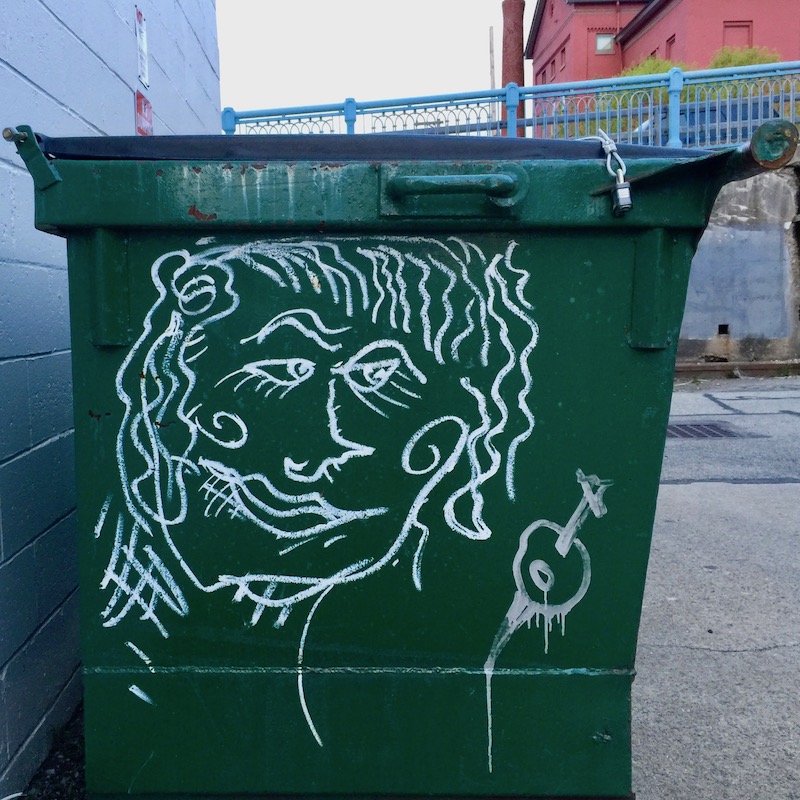
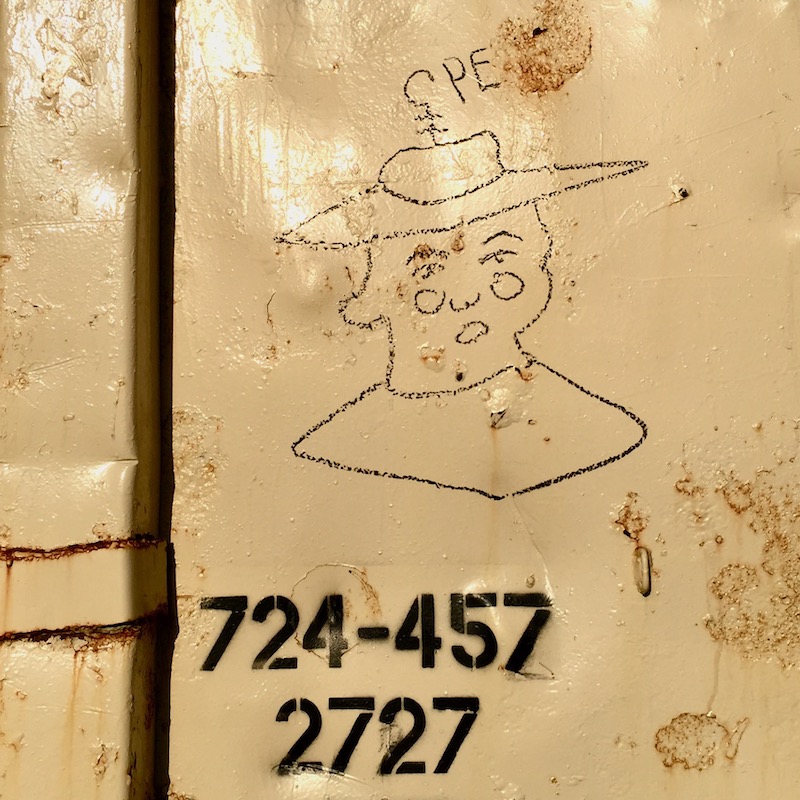
Portrait of man with mustache and monocle, East Liberty
Consider the dumpster. It’s just a big trash can, hauled in when a house is getting gutted, rented out to construction sites, left out back in semi-permanent residence to contain ongoing retail and restaurant waste.
Like garbage bins of any size, dumpsters live brutally utilitarian lives, out of sight and out of mind. I’m guessing the majority of us rarely engage with industrial-grade waste receptacles. Sometimes—like Boyd Roll-Off Services’ breast cancer awareness dumpsters—the big steel bins get a tiny moment to shine. That’s the exception; not the rule.
Mask up! Garfield
But, as we’ve already alluded-to in verse, if an object or environment can hold paint, be glued-upon or used to hang things from, performed in or danced-around someone will find a way to turn it into a venue for artistic expression. Big steel dumpsters are no exception … even if the audience for exhibition thereon is almost certainly random, and limited.
Waste / Residual / Municipal (sic.), Poconos
Let’s call the patrons of these al fresco galleries of chance the real deal, seekers, culture vultures. Not content with a curated-by-the-man experience of a trip to The Carnegie or The Warhol, feeling confined by the lower-expectations, but still-commercial ambitions of a first Friday in Garfield, the connoisseur de carnage digs deep behind buildings and circles sidewalk skips looking for that one elusive scribble, one perfect stencil, one perfectly-dripped spray-paint doodle.
Whether you, dear reader, fall into this exclusive, sneakin’ Sally down the alley, pungently-fragrant coterie, know that The Orbit will be there—poking retail backsides, circling the big bins, and capturing this momentary, transitory artwork … before it all gets thrown away.
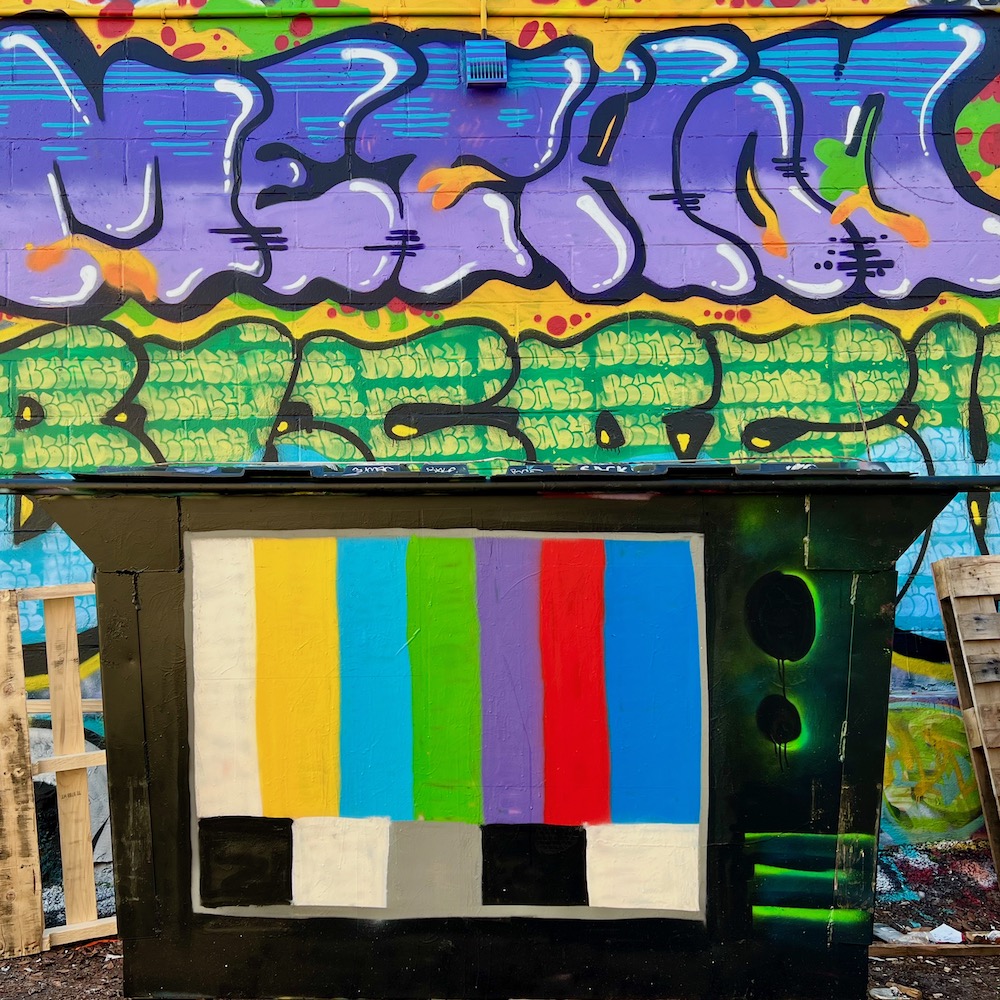
Trashasaurus Rex, Downtown
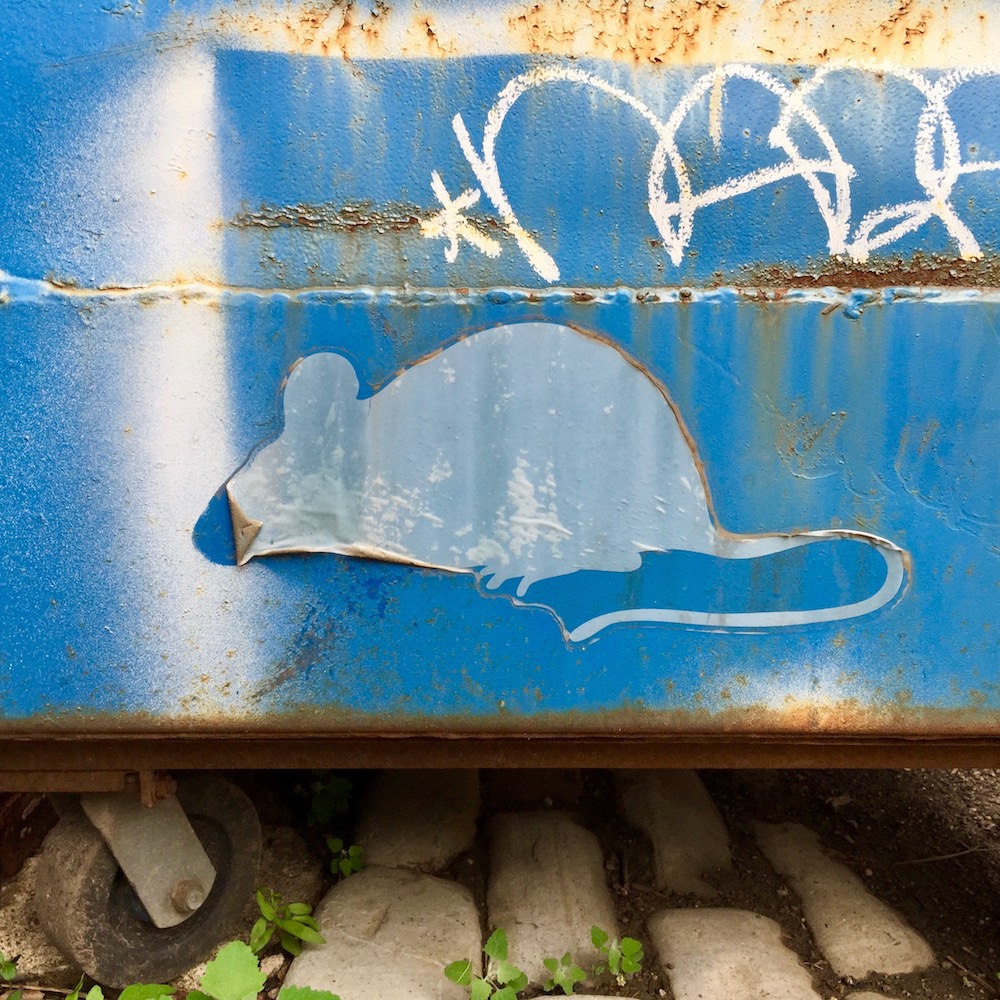
Dumpster rat, Strip District
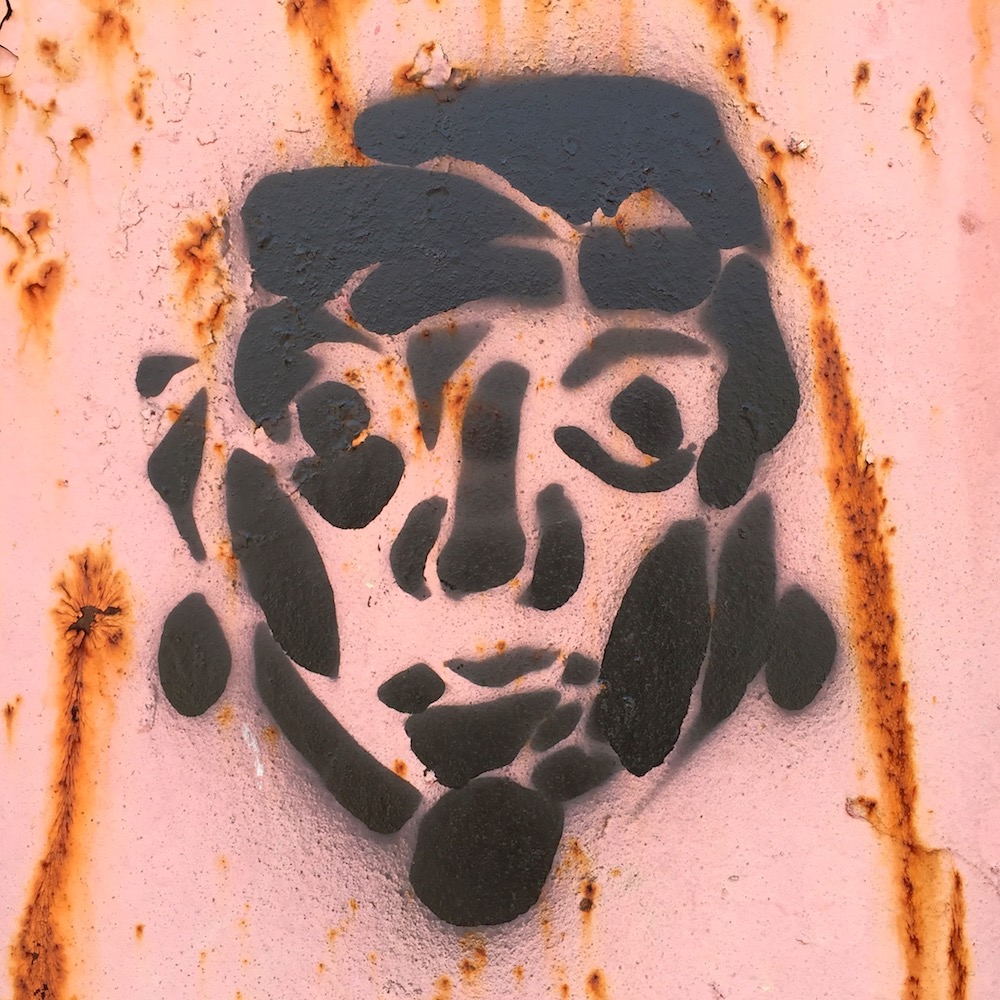
Stencil face, Shadyside
Rizzo’s Spaghetti Sauce, Strip District
Big Wayne/Public Enemy, Lawrenceville
All hands, Glassport
Keep an eye out for this dumpster, Bloomfield
Triton RANKIN dumpster, Garfield
Our old friend “The Dude,” Deutschtown
Our old friend “The Dude,” Lawrenceville
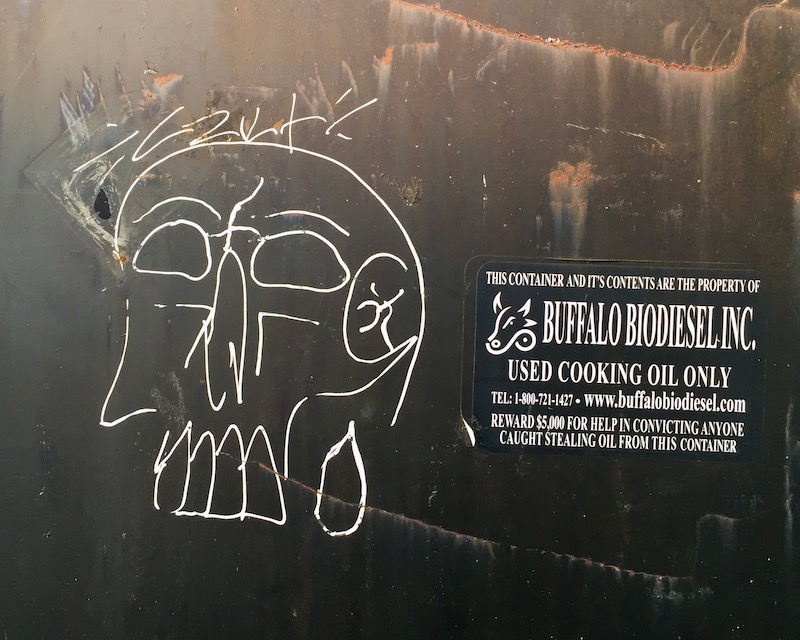
Big’Skull, Polish Hill
Skull, Sharpsburg
Happy bear, Strip District
This dumpster has a posse. Lawrenceville
Oh no! Bloomfield
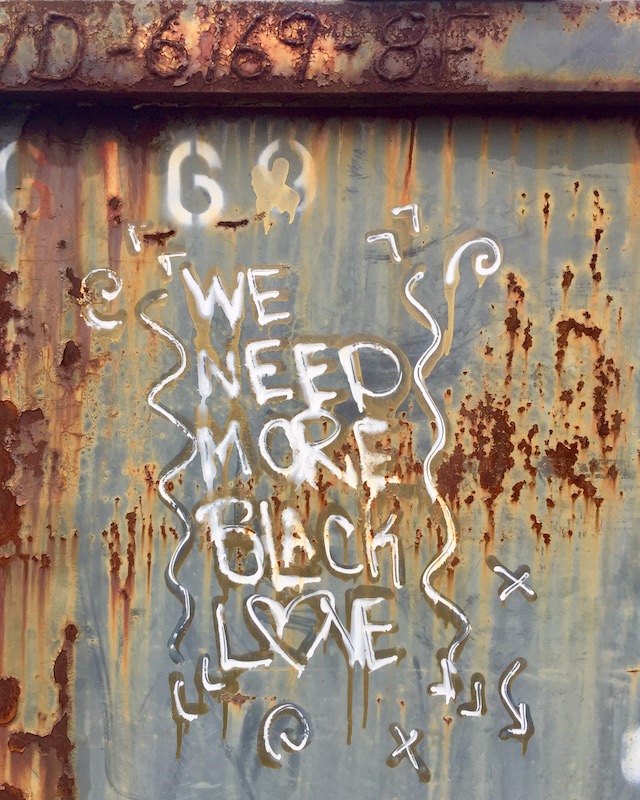
“We need more black love,” Waterworks Mall
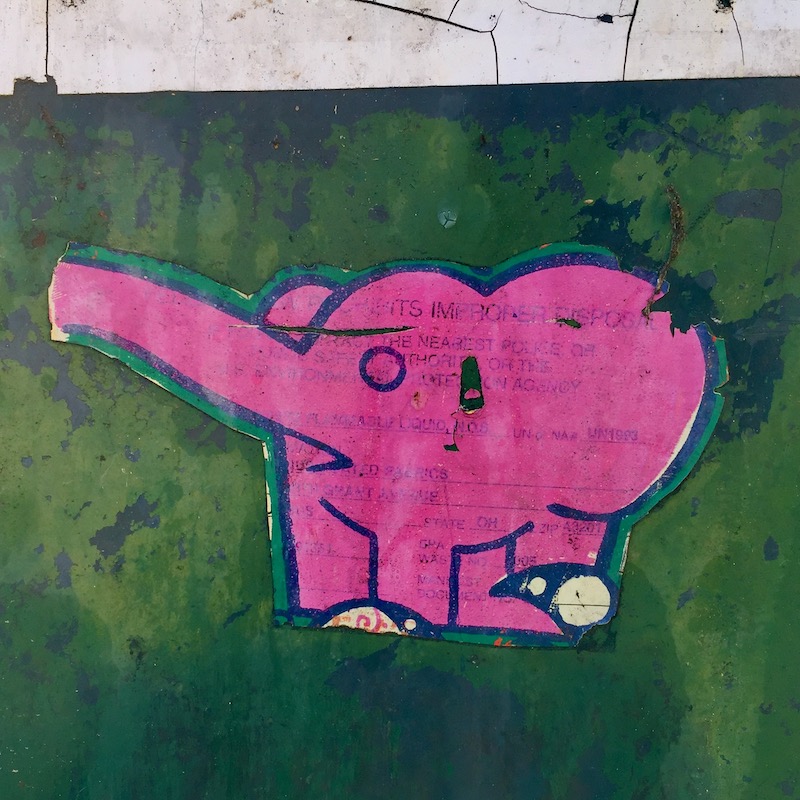
Pink elephant, Deutschtown
Rope skippin’ dude, Strip District
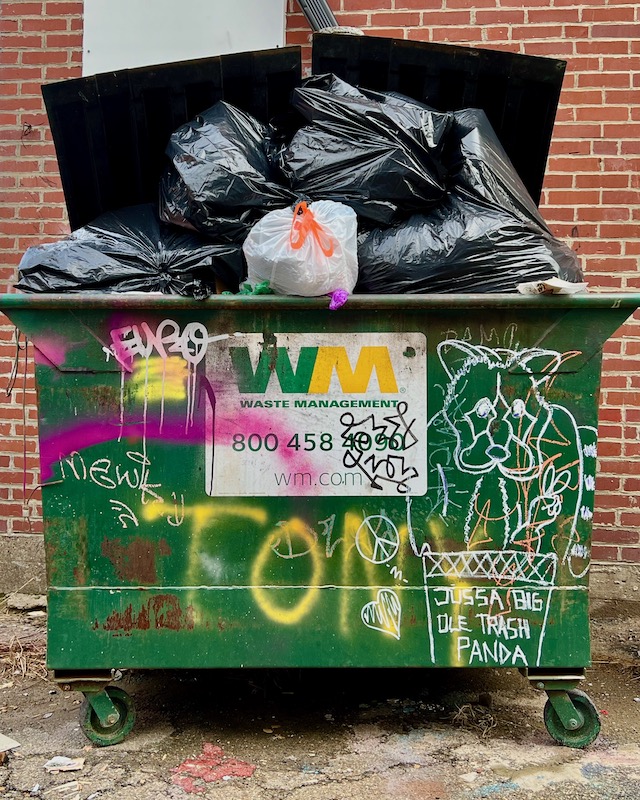
Justa Trash Panda I, Strip District
Jussa Big Ole Trash Panda II, Lawrenceville
Justa (trashed) Trash Panda III, Downtown
Coat-hanger hat, Polish Hill
Sometimes love can get you down in the dumpster. Garfield
“I see $ as the root of all people,” Deutschtown
“[Love]? not [love] feelings or confusion about feelings,” Sticker Face I, Strip District
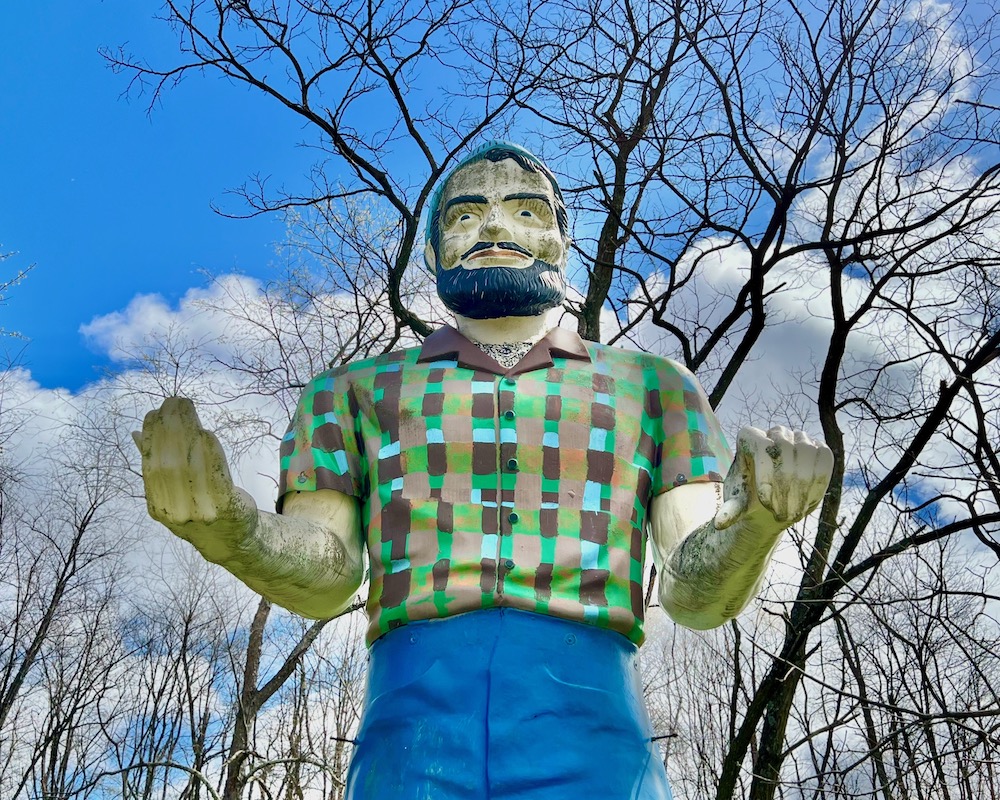
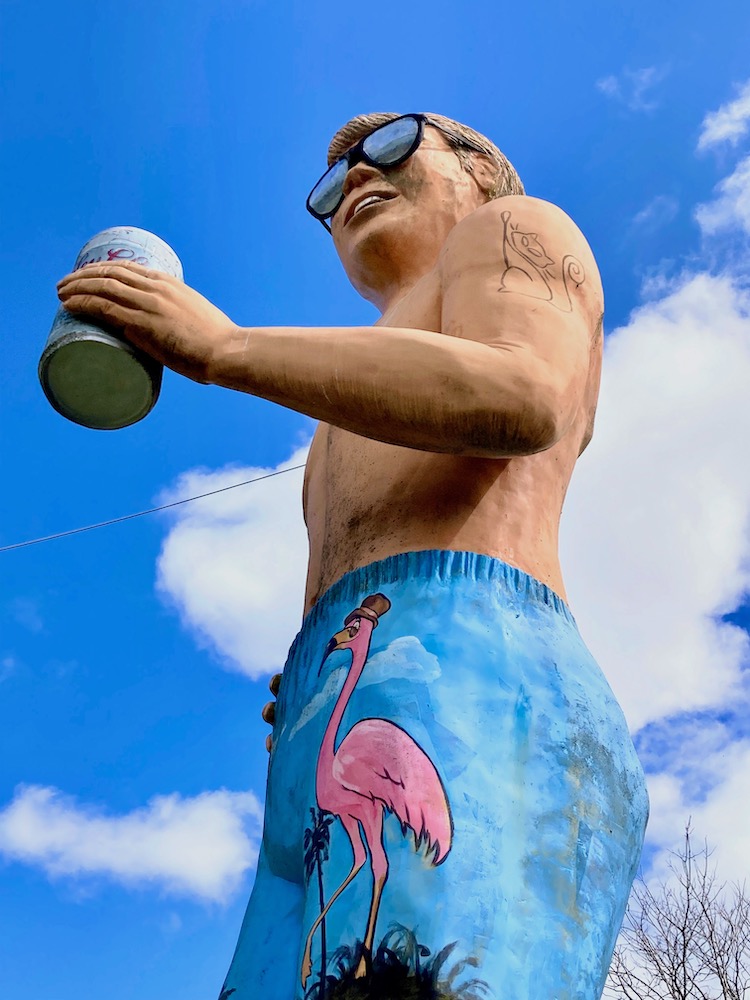
The great grocer in the sky. One of many enormous figures at The Farnham Colossi in Unger, WV.
If one is ever to meet a giant in real life, let it be like this. Big John greets every new visitor with a friendly smile. John’s big arms spread out to cradle four old-school brown paper sacks brimming with groceries. If that wasn’t enough, the great grocer is animal lover, to boot—we know this from the pro-pets messages printed on the shopping bags and his apron’s message Never eat anyone who had a mother.
At thirty feet tall (just guessing here) Big John is a fiberglass cast statue/advertisement for a retailer that we’ll assume no longer requires his services. The problem isn’t John—he’s in excellent shape. The large form is remarkably free of cracks or dings and the paint job—including that text on the bags and apron—is crisp and detailed.
Lumberjack muffler man
Colossus is not a word we generally hear in its plural form. Heck, we don’t even use the noun that much; its adjective gets most of the attention. Encountering a single giant is a rare enough occasion, how often does one experience two? or three?
Keep going. Unger, West Virginia has a tiny human population—I’ll bet it numbers in the hundreds—but when it comes to giants, that’s another story.
Unger, an unincorporated rural community just one mile from (regular) Virginia’s northernmost point, likely has the most per-capita giants in the country. They all live on the grounds of an old farmhouse along Winchester Grade Road. Collectively, they’re known as The Farnham Colossi.
King Midas, muffler man (and friends)
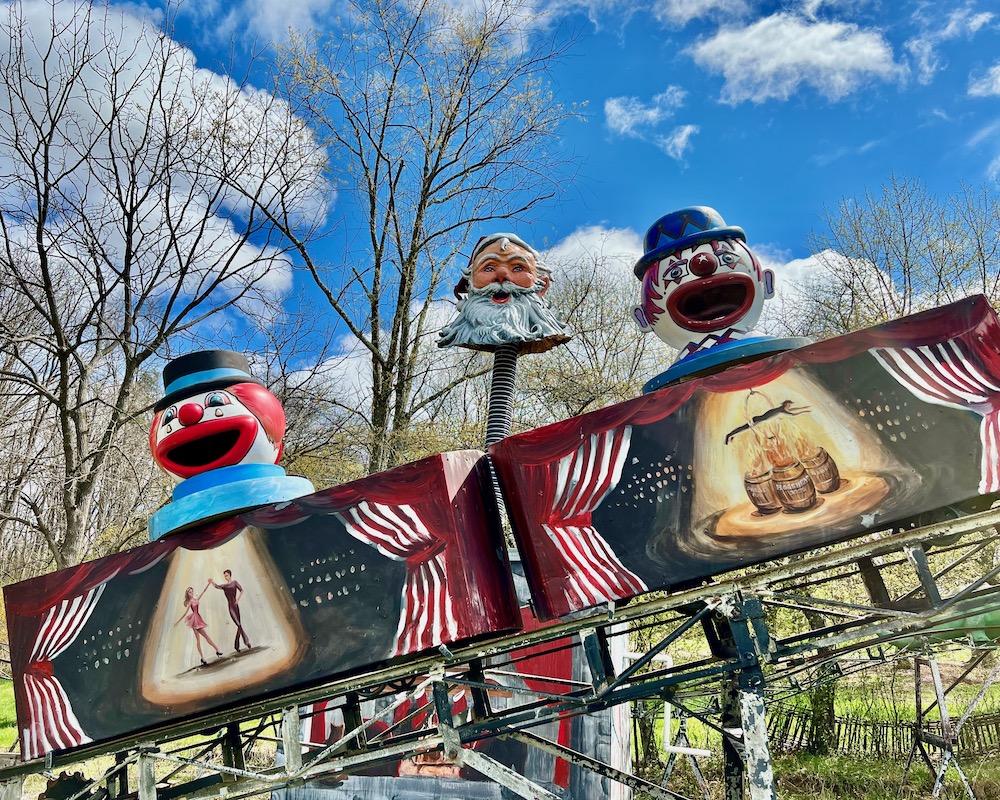
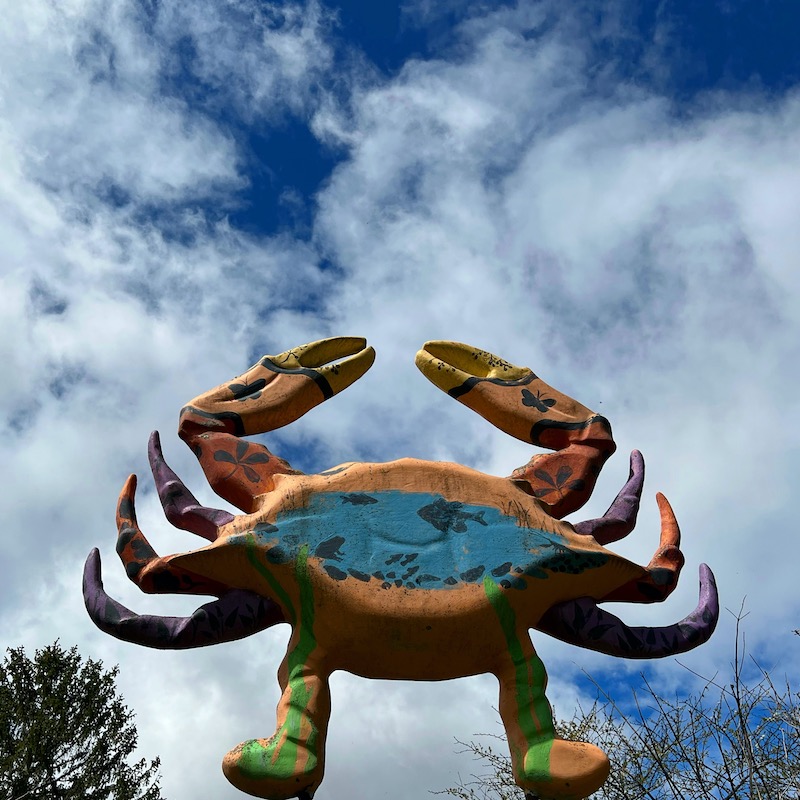
The colossi come in many forms—human and otherwise—that spread around three sides of the property. There’s a giant apple painted with a faded mural of apple-harvesting, a colorful crab poised high in the sky, Yogi Bear’s supporting players, and a soaring pterodactyl that flies above a purple barn.
Mister Fifteen Hamburger Man, a rotund chef proudly hoisting a burger, stands in a large lawn with a circular ring of cast concrete statuary. Behind him is a mini roller coaster with one set of cars containing The Simpsons family, another a set of carnival clown game figures.
Big apple / faithful friend
The whole thing’s a gas, but the attraction for many will be the exquisite pair of muffler men at Farnham. One is a legit muffler-holding mechanic with a Midas crown, the other appears in full lumberjack flannel, beard, and toque (but no Paul Bunyan axe).
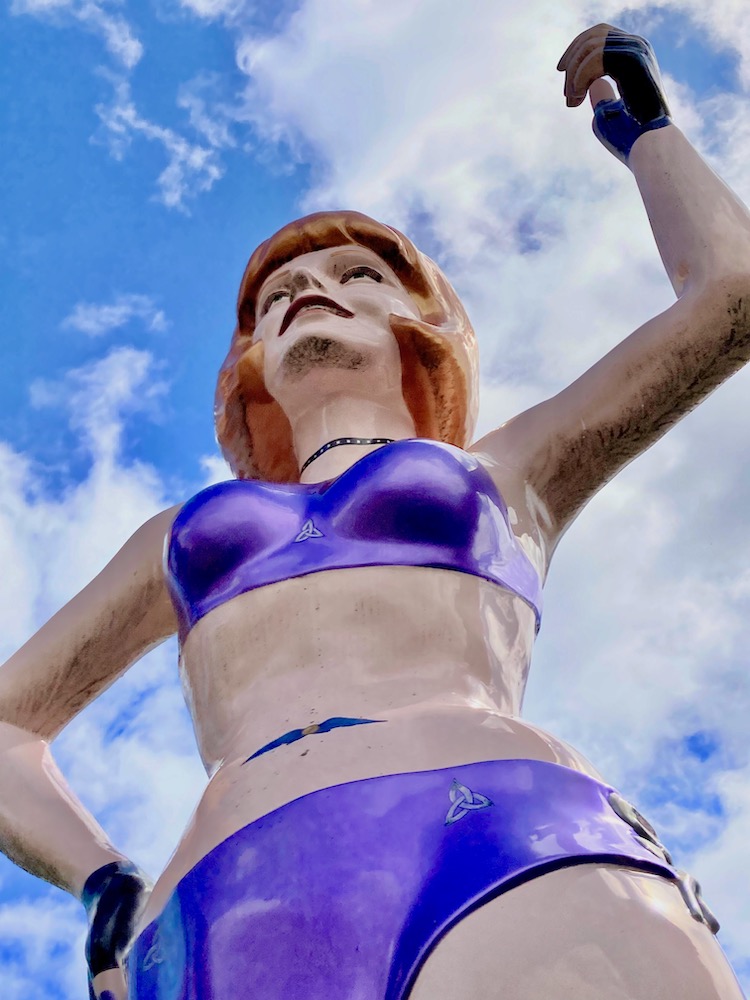
Uniroyal Gal is the Mr. Pibb to Muffler Man’s more name-brand Dr. Pepper. She’s here too, wearing an electric purple bikini and go-go boots. Uniroyal Gal left the tire on the car, this time.
Uniroyal Gal [photo: Kirsten Ervin]
Both Atlas Obscura and Roadside America have very fine entries on the history of The Farnham Colossi and the couple who seated them all here together, so we’ll not repeat those basic facts.
What we will say is that this part roadside attraction, part open-air museum of the dying history of the highway is a lovely place to visit when one finds him- or herself in the greater Berkeley Springs/Winchester/Cacapon State Park area of West Virginia’s eastern panhandle. Where else can one so easily walk among giants?
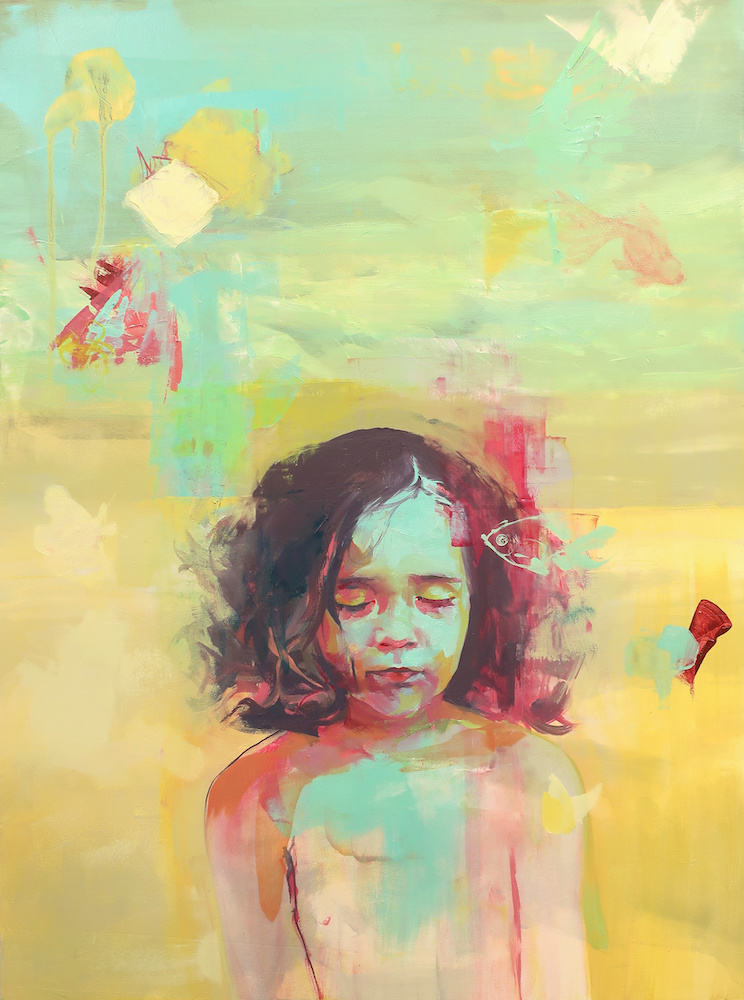
“Fathoms” (2020) by Pittsburgh artist Annie Heisey. The painting appears in Heisey’s current show Uncharted Waters.
Red on red. Firey hot, turbulent, scraped, and streaked—the glowing red of the insides of the eyelids after staring at the sun. The world is a dangerous place and we need only this background riot of warm orange-reds, seen-better-days pale pinks, and muddy maroons to remind us of it.
At the center of the oil painting is a woman’s face in ashen pale blues. Her expression is neutral—one could read anything from bored to sad, sleepy, desperate, or haunted into it. The woman’s eyes, though—enlarged, swirling balls of red—make her look transfixed, hypnotized, zombiefied.
Draped atop the figure is surreal cloak in another raft of deep reds. The head of a hound—looking very much alive, minus its lower jaw—with attached forelimbs morphs into a full body covering.
“Protector” (2022)
“I’ve never been accused of making myself look too pretty in a painting,” says Annie Heisey of her self-portraits, “And I’m OK with that.”
I am too. “Protector” and its sister self-portrait “Sacrifice” (below) both draw their power from the vulnerability of their subject—her imperfections and fragility. I’ve written in these very e-pages about carrying a lifetime membership in the Fancy Brain Club. I’d offer up these two paintings as Exhibits A and B in the defense of art as an expression of that which words cannot fully describe. Both are featured in Heisey’s current show Uncharted Waters at Curio Cool.
Looking at these two arresting paintings, I immediately identified with the experience. When you’re in the hole, the world feels like that big wall of discordant reds. In this state, a person is always just one misaligned action away from squeezing that delicate starling just a little too tight.
“Sacrifice” (2022)
“Like everyone during the pandemic, I was paying more attention to my mental health,” says Annie Heisey about “Protector” and its faithful-companion-as-emotional-shield metaphor. Heisey has two large boxers, one of whom very much acts as a security guard against any perceived threat. “She’s so brave in a lot of ways I wish I was,” Heisey says, “I like the shamanistic idea of wearing animal skins as a protective layer between me and the world.”
“Sacrifice” was inspired by a stained glass image included in this past winter’s Victorian Radicals show at the Frick Art Museum. In it, a woman clutches a bird to her chest in a way Heisey echoes in her self-portrait. “Sometimes I lash out at people,” Heisey says of her painting and the moods that inspired it, “When that happens, I wonder if I kill the things I love?”
“Paloma’s Technicolor Dream” (2021)
If you’re familiar with Annie Heisey’s work, you know the magical children (that’s our term). The artist has four recurring youths—the children of her sister and a friend—who appear in states of blissed-out innocence and spellbound wonder throughout many of Heisey’s paintings in both the current show and past.
Often shirtless and alone, the kids are vulnerable in a way that’s hard to not to see as in-peril by our current awareness of stranger danger. Around these children swirl glowing lights and winsome creatures. It’s a rosy-eyed nostalgia for a childhood that may or may not have ever existed for anyone.
“Child of the Light” (2022)
To spend any time with these paintings is to see there’s a real darkness beneath all those twinkling fireflies and carefree days at the lake.
In “Fathoms” (photo at top) a girl in a bathing suit wades in knee-deep water as glowing lights dance in the air above. It’s a lovely painting, but it’s no glamor portrait. The girl’s head is awkwardly cropped out of the frame and the vantage point is of someone standing on the shore—the subject clearly not aware of whoever may be watching. The subtlety of this perspective gives the artwork an off-kilter sensation where the girl is not the focus one might expect. Instead the viewer is left to complete a penciled-in narrative with only the slightest of details available.
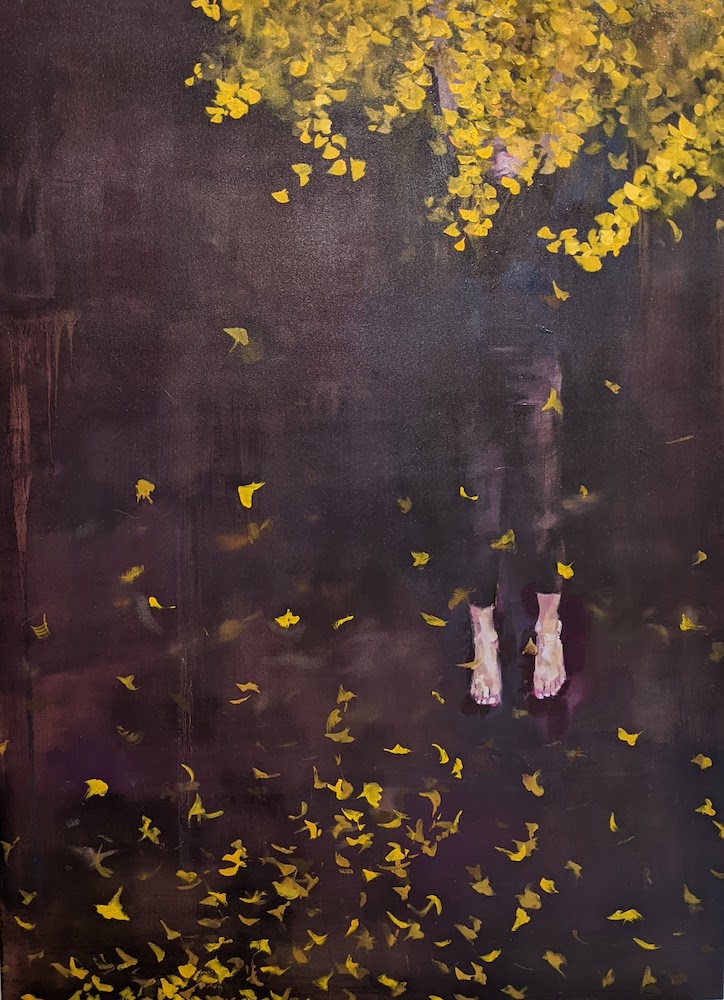
“The Gingko Tree” (2022)
A youth dressed in black from neck to ankle dangles from a tree limb in full autumn splendor. The image likely comes from a playful real life experience, but in Heisey’s “The Gingko Tree,” (above) the figure is set against a pitch black background with the disturbed rustle of falling leaves. With the child’s face and upper torso obscured by yellow foliage, it’s hard not to worry that something more sinister is afoot.
Heisey describes her own childhood as “idyllic,” but wants the paintings to speak to a cautionary reality for children at this tender age. “I want to say to them, ‘This is how you are now—before you grow up. But bad things are going to happen, just like they do for everyone.'”
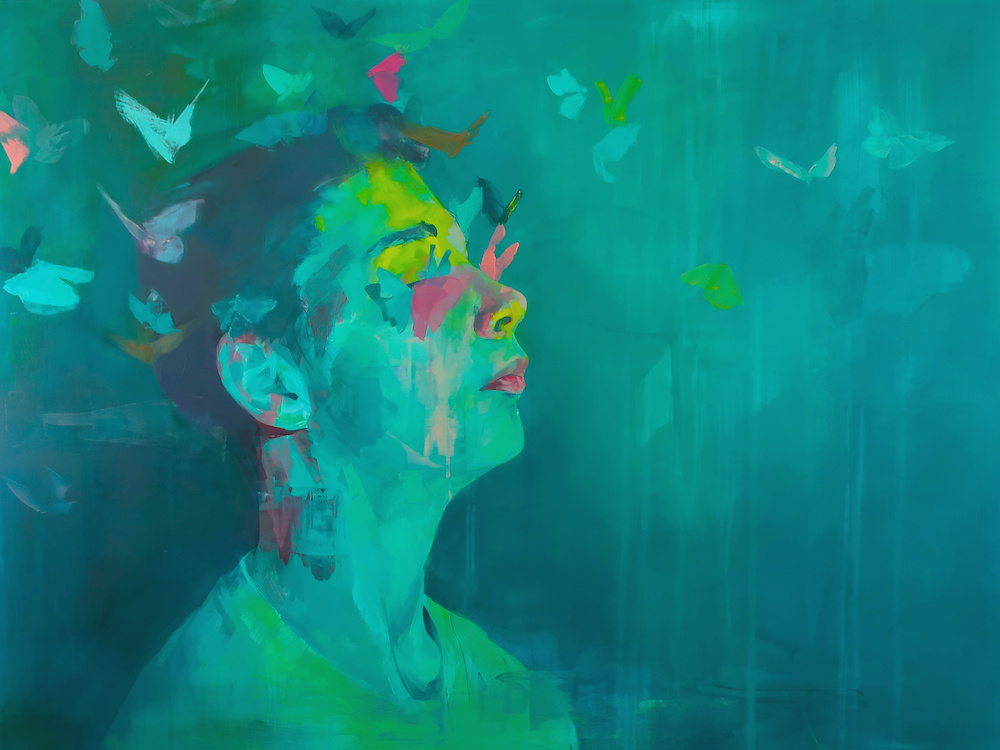
“The Butterflies Will Drink Your Tears” (2022)
Heisey has had her own bad things to deal with. The triple whammy of depression, PTSD, and a recent diagnosis of ADHD all make their way into the artwork. Heisey’s painting “The Butterflies Will Drink Your Tears” (above) is an attempt to render the ping-pong attention leaps of the latter as fluttering creatures, beautiful but uncontrollable.
“All the (magical children) paintings are self-portraits,” Heisey says, “A lot of artists use big ideas or philosophy as the basis for their art. My (reference) folder is my brain. All of my paintings are things that happened in my life.”
It doesn’t take Carl Jung to connect the dots between adult-grade trauma and wanting to revisit the safe innocence of an idealized youth—”Big time,” Heisey says of the relationship. Understanding this informs each painting with a depth way beyond its gorgeous palette and economical just enough composition.
“Abstract No. 3” (2021)
Amazingly, being a realist painter in the twenty-first century is to be way out-of-step with the art world. Go to the next Carnegie International and I guarantee you’ll see plenty of broken chairs, paint-splattered mattresses, and grainy photographs of eddying mud pools—all served with academic prose that seems designed to make anyone without an MFA hate the art world. Oil portraits that reach deep into souls of everyday people? Notsomuch.
What Annie Heisey achieves with her artwork is daring and exciting. By taking her immense skill as a realist painter and then abstracting color and composition, removing excess detail, and creating space for the viewer to participate by filling in the blanks, we’re invited on a tantalizing journey that takes us from the mundane to the sublime, from the wrinkles of the face to the interior of the mind. Can’t ask for much more than that.
Annie Heisey in her Lawrenceville studio with many faces from the “Experimental Portrait Project” [photo: Annie Heisey]
Uncharted Waters, Annie Heisey’s current show, is up now through the end of the month at Curio Cool, 113 North Main Street, Zelienople.
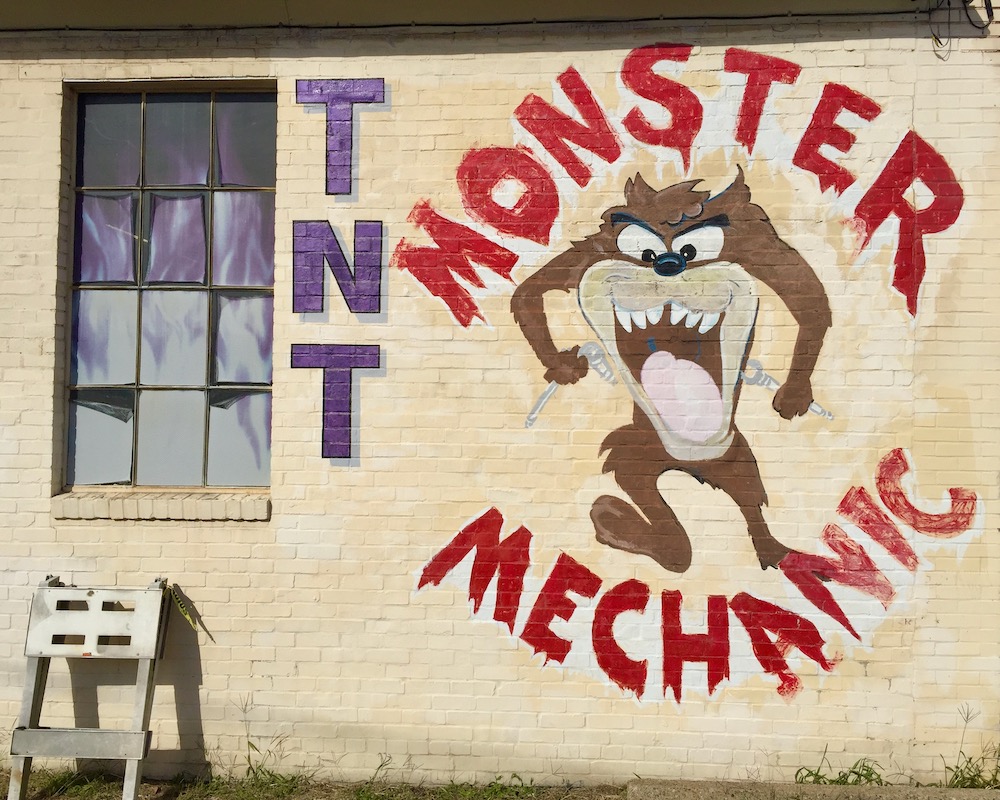
Who wouldn’t want the Tasmanian Devil fixing their timing belt? One of many examples of great auto repair artwork. TNT Monster Mechanic, Beaver Falls
The Tasmanian Devil—all sinister fangs, seething anger, and whirling destruction—seems an odd candidate for the kind of precision work required for automotive repair. But there he is—crazy eyes, giant jaw agape, and squeezed tube of toothpaste body—clutching a box socket in one hand and a crescent wrench in the other on the brick wall of TNT Monster Mechanic in Beaver Falls.
Taz, as the popular Looney Tunes character is sometimes known, has a well-documented following that way outreaches the limited run of his original short cartoons. He’s a famously popular pop icon who exists in a sweet spot between lovable cartoon character and hyper-masculine bad boy who acts first and thinks … never. The podcast Decoder Ring did a terrific episode on tattoos that talked about Taz’ stranglehold on the upper arms of young men. Some of those biceps work on cars.
It’s shocking where you can find great art, but you mustache yourself if you’re really looking. North Side
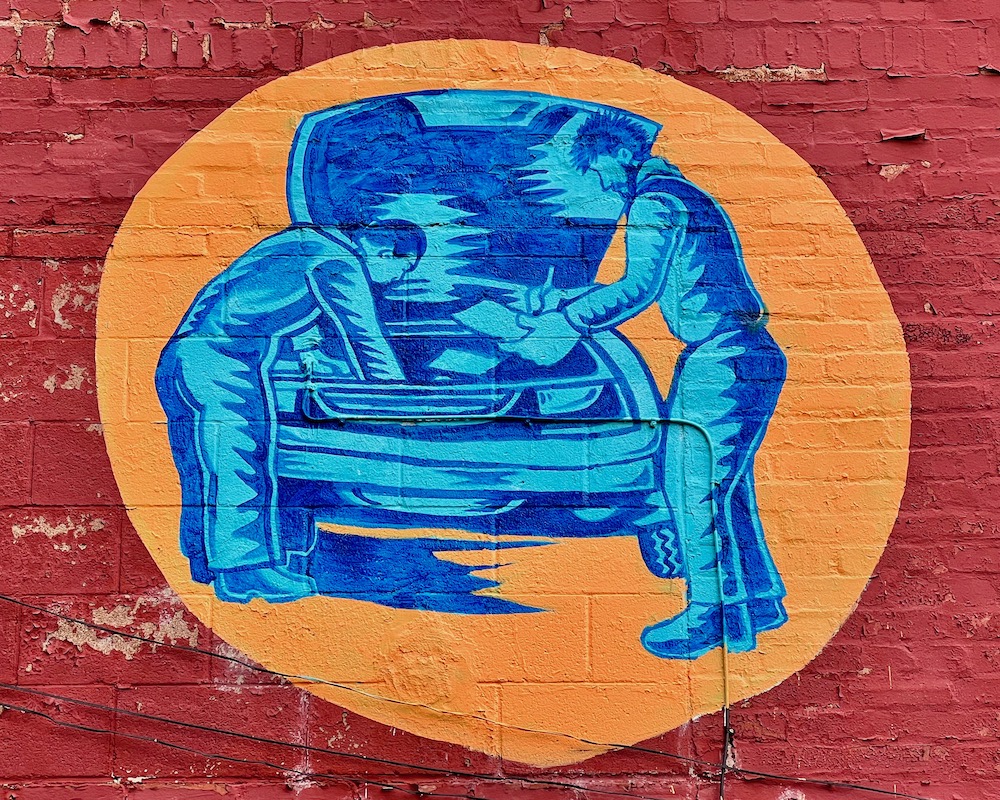
Blue period. Neal N Tony’s Automotive Repair, Larimer
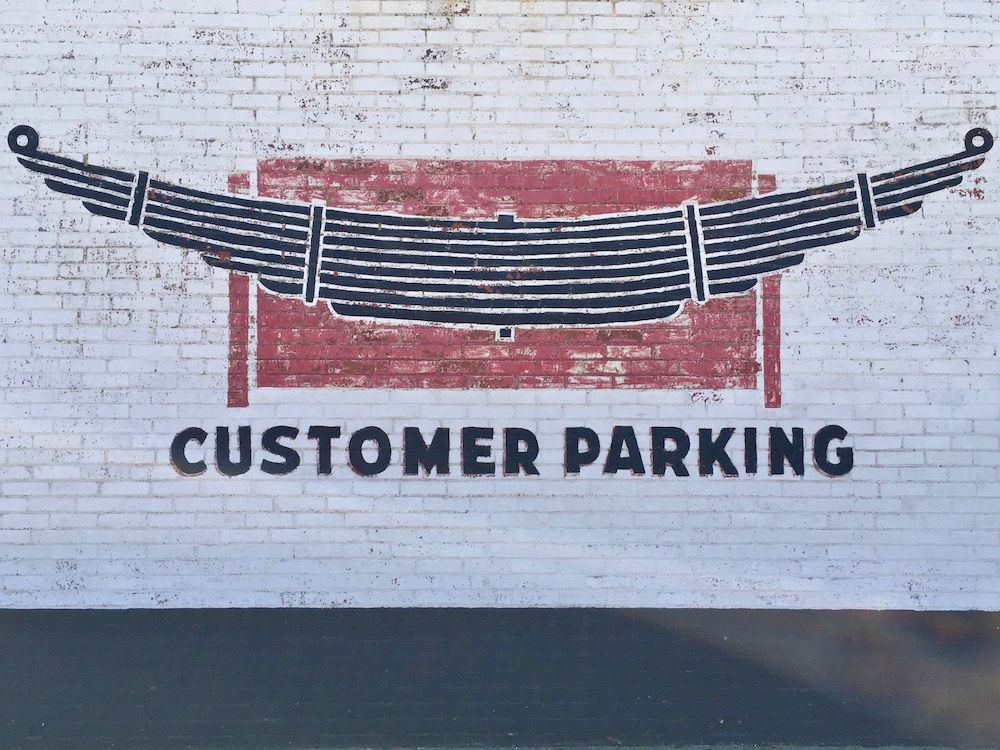
Auto repair shops are, almost always, structures of pure utilitarian economy. Typically constructed of brick or cinder block and lit by big fluorescent shop lights, they often contain no windows aside from what comes through the office door, garage openings, and the occasional glass block. This leaves a lot of exterior wall space available for decoration.
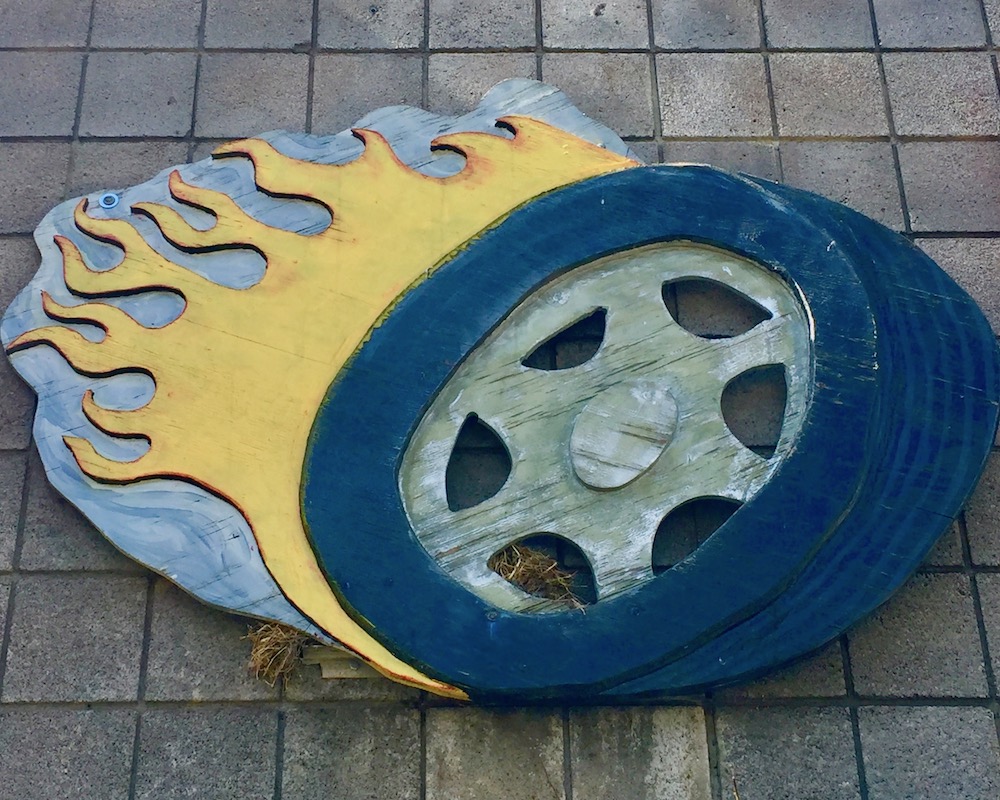
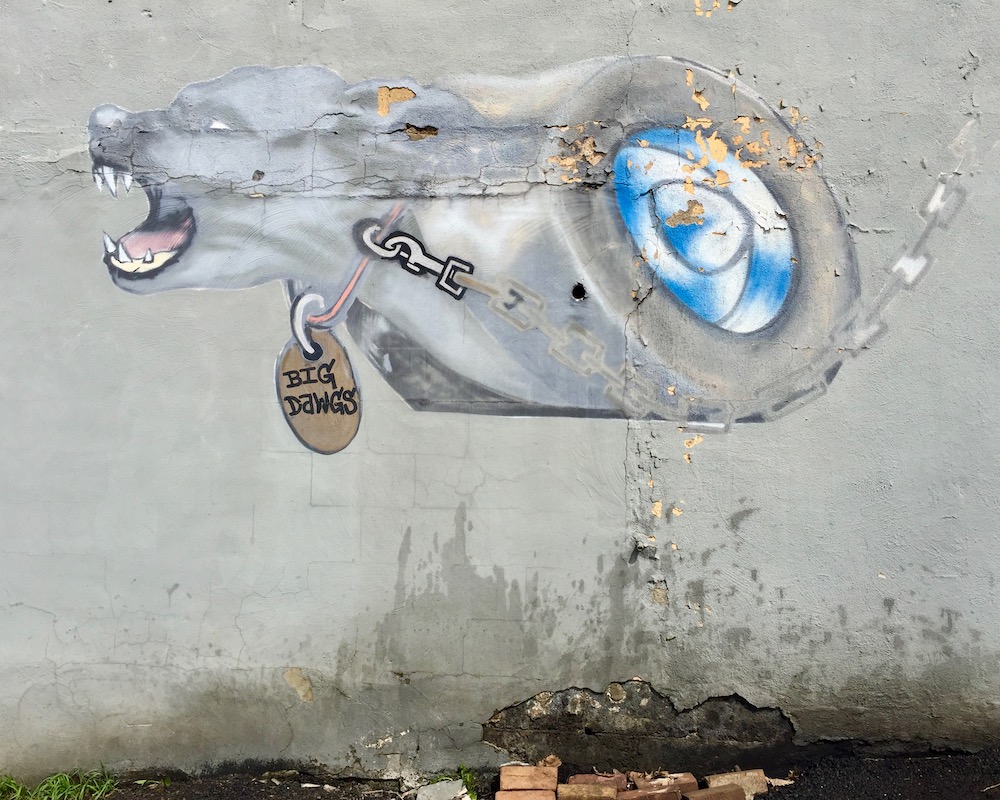
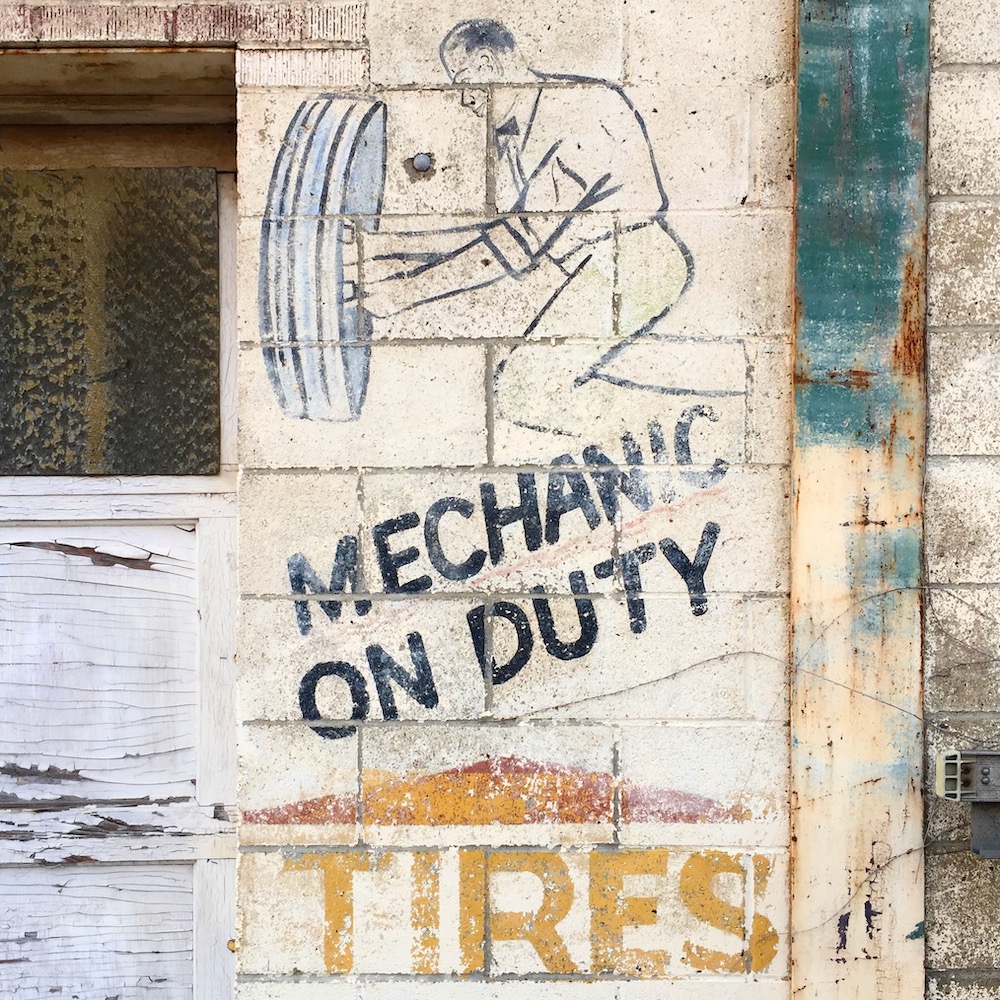
Most garages are as down-to-basics on the street-facing walls as the buildings that house them are plain … but not all of them. There is a particular phenomenon where mechanics have set down the wrench and picked up the paintbrush (or found others to do so) to elaborately advertise their businesses in ways both humorous and boastful, triumphant and goofy. These murals, 3-D painted cut-outs, and custom airbrush jobs all make up The Art of the Wheel.
This wheel’s on fire—even if it’s where birds nest. Hobbs Tire & Supply, Chester, WV
This dog’s rabid … and thankfully still on the chain. Big Dawg’s Performance, Vandergrift
Auto Repair artwork is a gift that just keeps giving. There seem to be piston-packing Picassos and revved-up Rembrandts just about everywhere people drive cars. If you’ve got a favorite we didn’t get to (this time), give us a holler and we’ll bag it for the inevitable sequel.
Until then, keep your foot on the gas and your eyes on the garage walls.
Back when mechanics wore bow ties. Mechanic on Duty/Tires (ghost sign), Homestead
(Big Daddy) Henry’s*, McKees Rocks
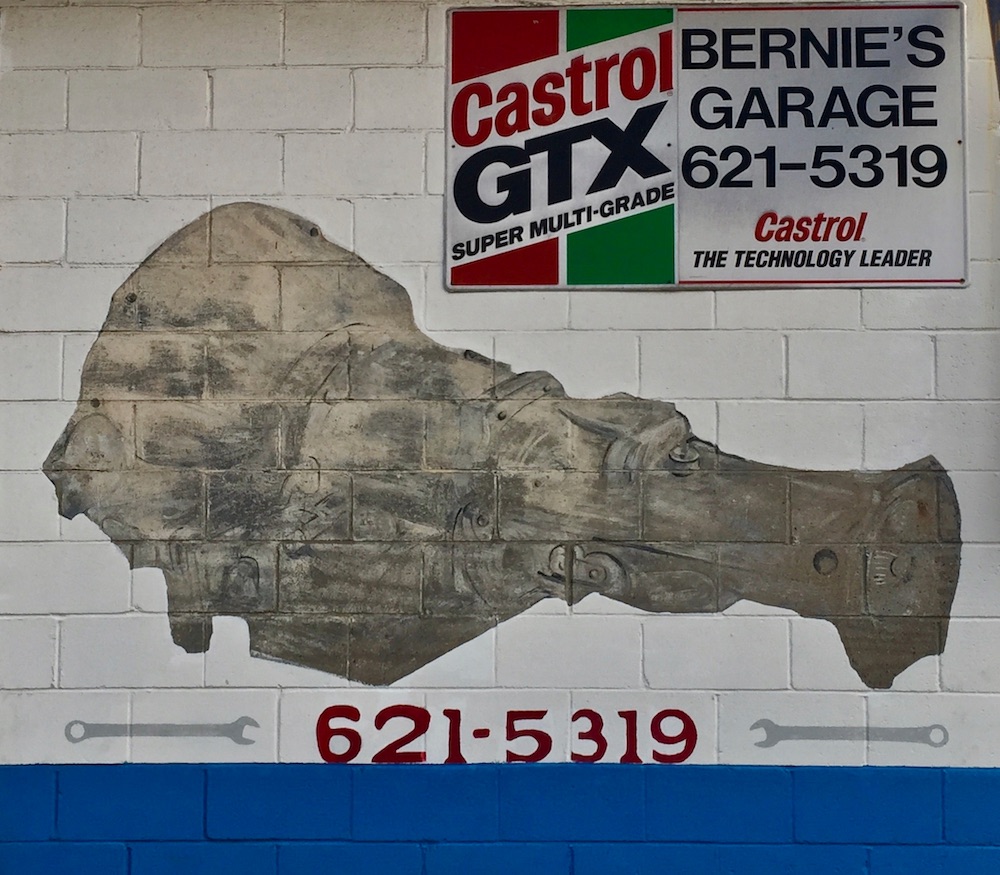
Bernie’s Garage, Polish Hill
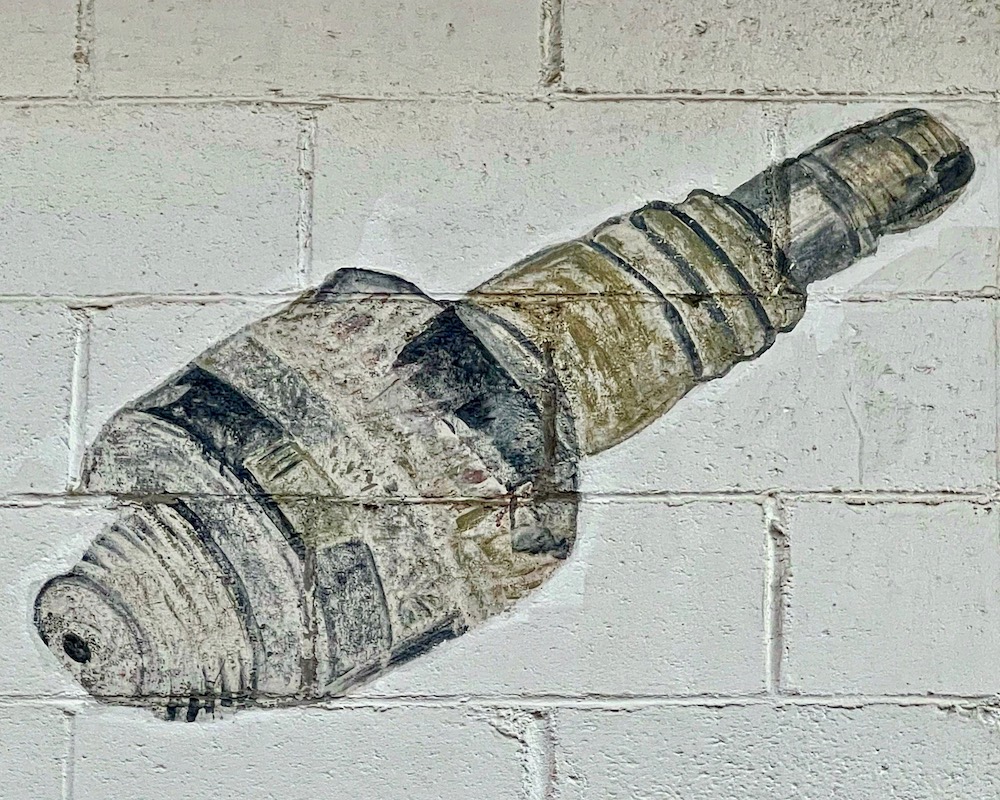
Plugged-in. Bernie’s Garage, Polish Hill
Hocus Ford Focus. Transmission Magician (before the building was repainted), Bloomfield
Sprockets. German Motor Werks, Strip District
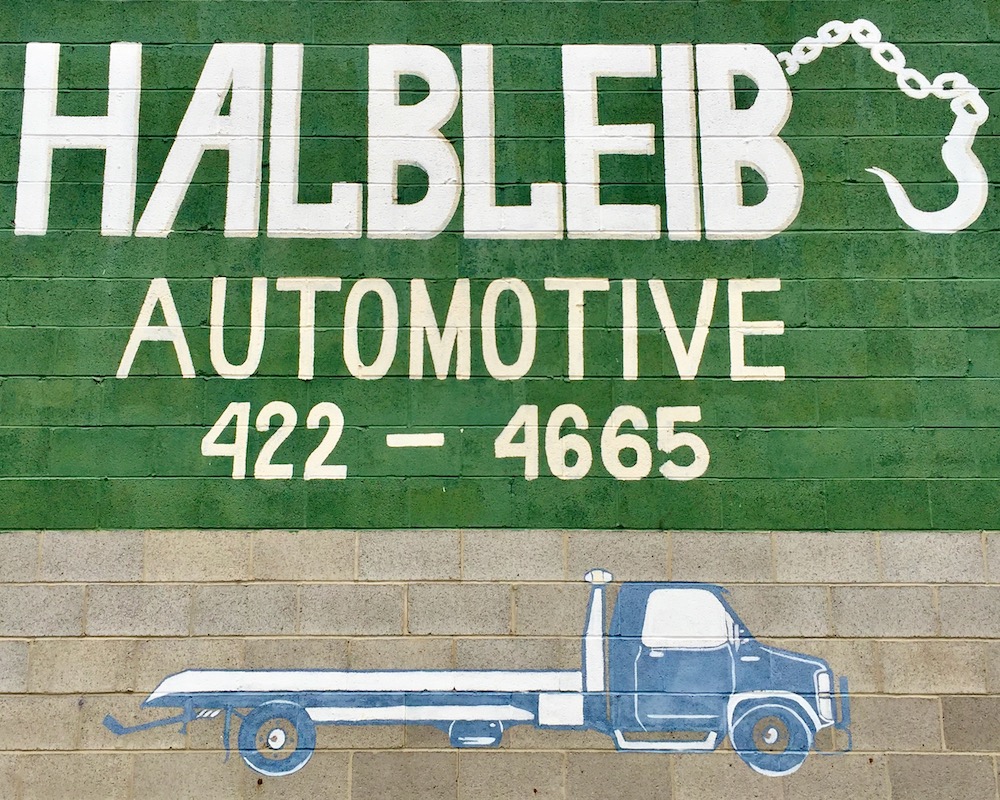
Give ’em the hook! Halbleib Automotive, Hazelwood
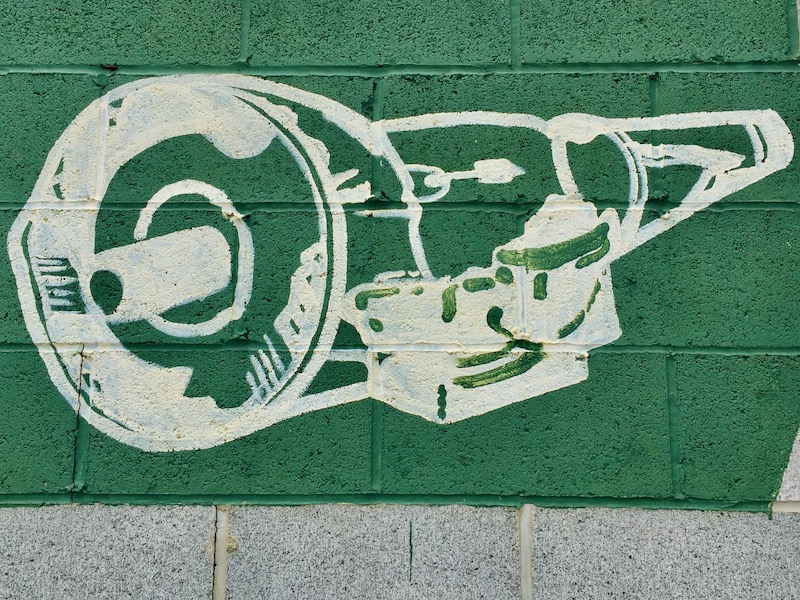
… and the shaft! Halbleib Automotive, Hazelwood
Stay chassis**. Auto Works, Munhall
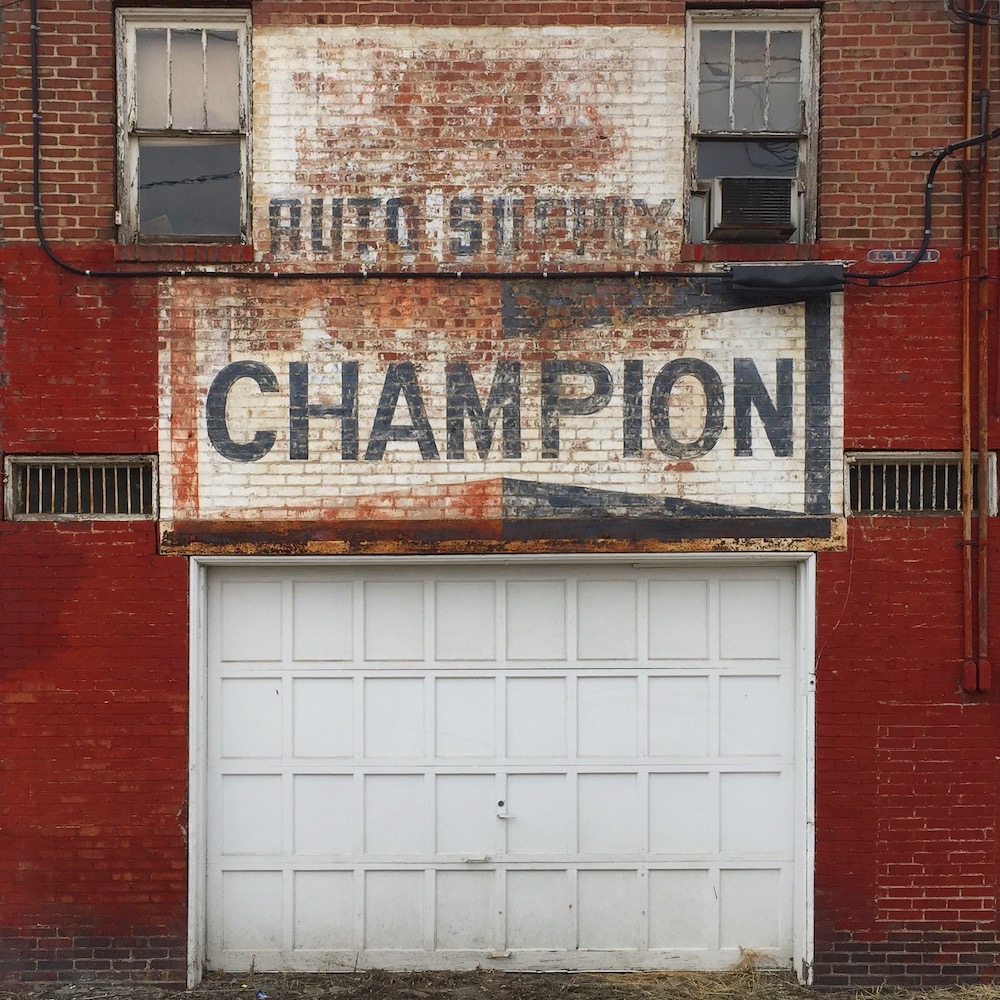
(unknown) Auto Supply, Donora
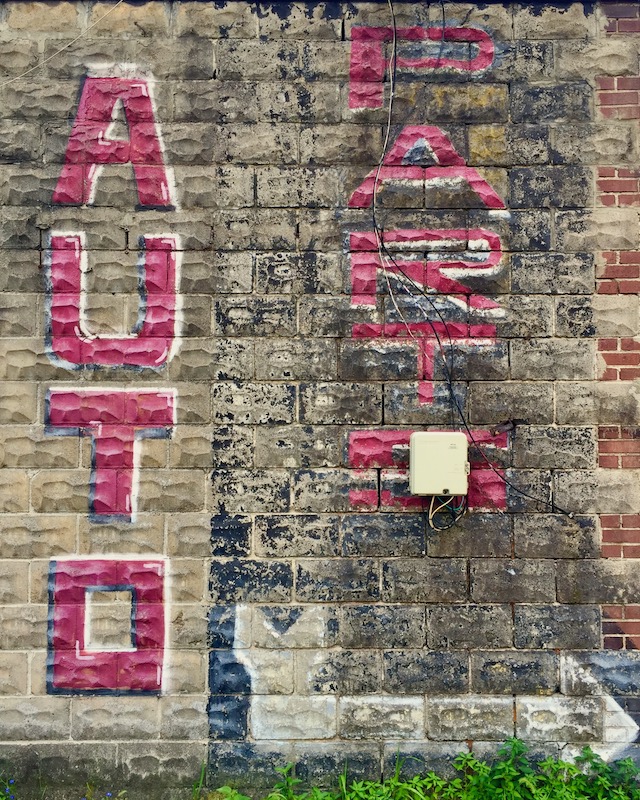
Auto Parts, Hill District
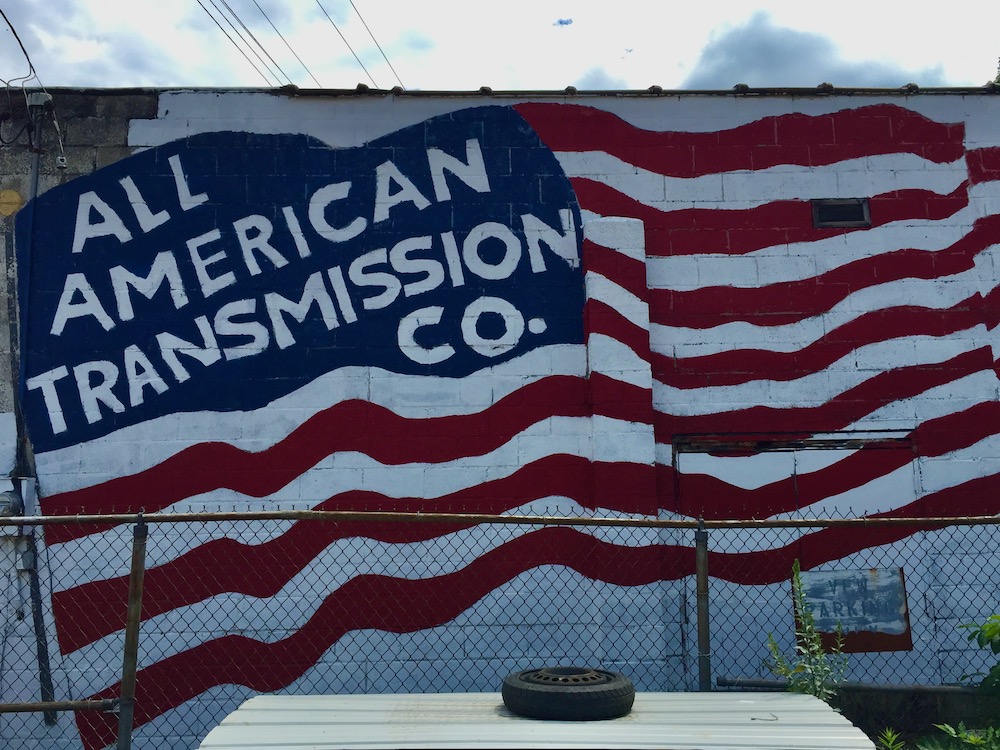
All American Transmission Co., Millvale
No, YOU need a tire! Uneeda Tire Co., Beaver Falls
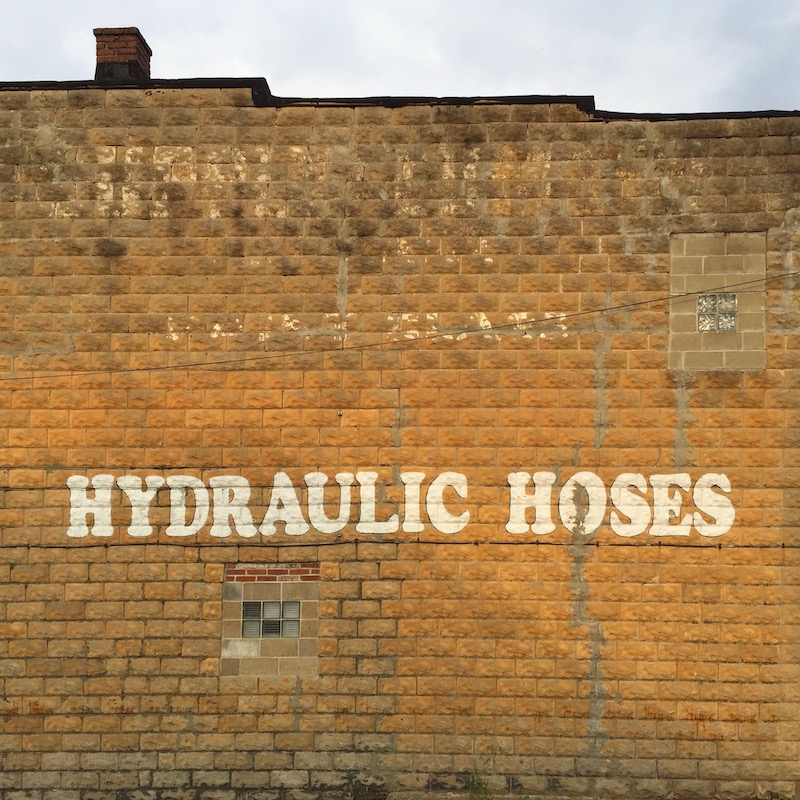
Hoses simple. Hydraulic Hoses, Hill District
Model Model-T, Sacco’s Automotive Services, Sharpsburg
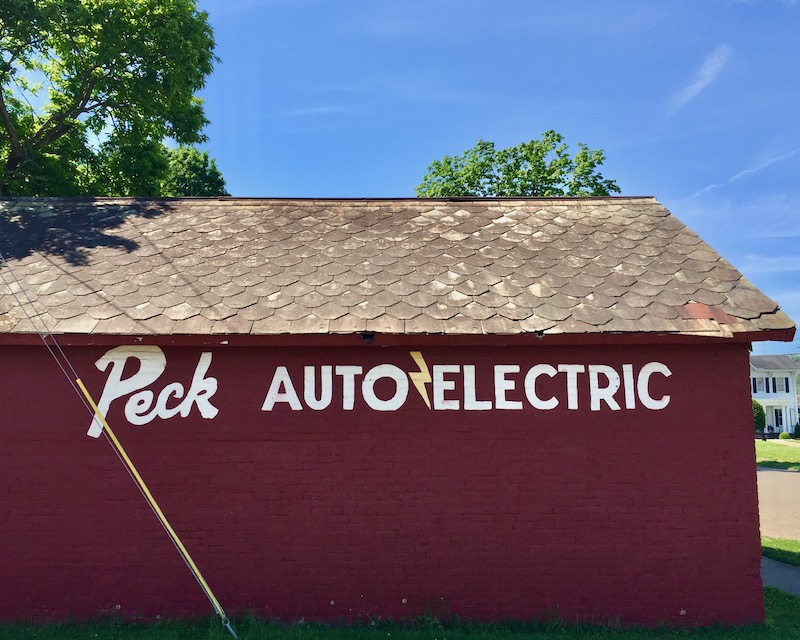
Peck Auto Electric, Logan, O.
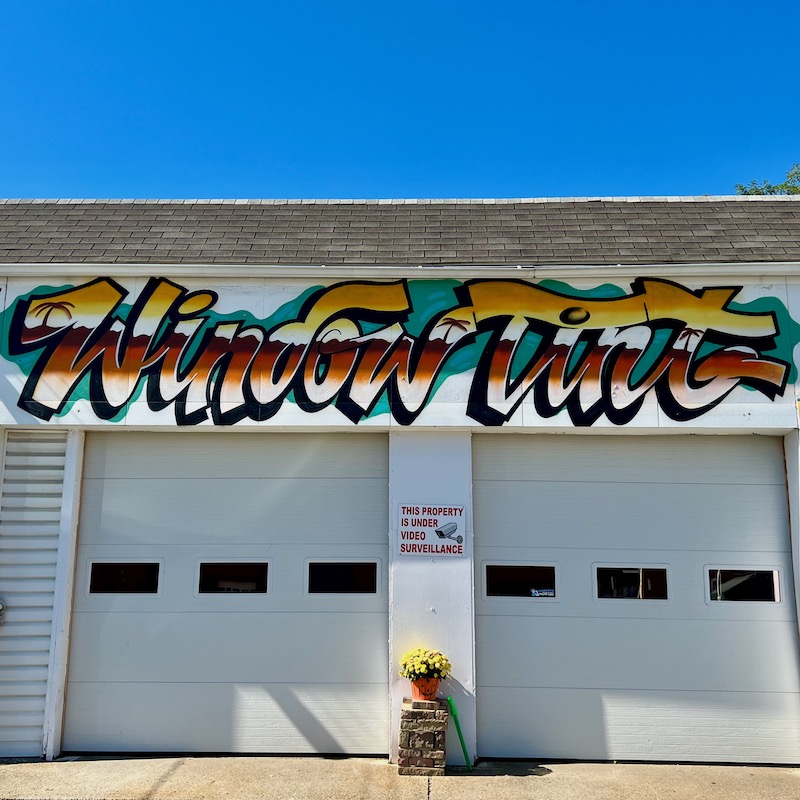
Window Tint, Ambridge
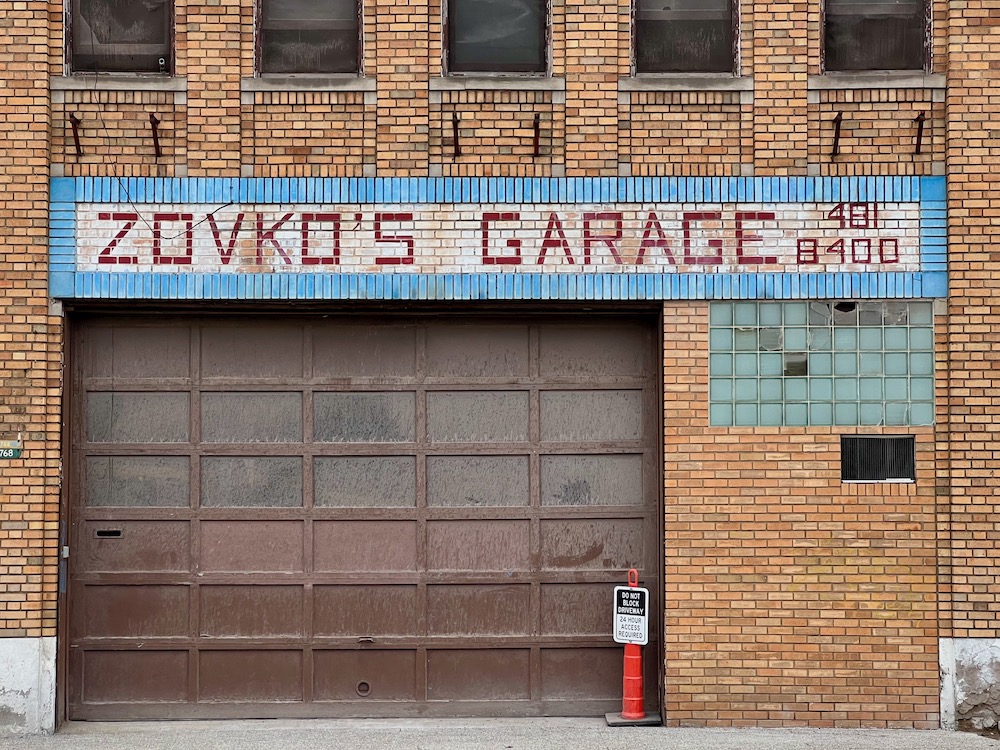
Zovko’s Garage, South Side
Ghost bodyshop, Lincoln-Lemington
* The artwork for Henry’s feels like a clear homage to the over-the-top cartoon hot rod artwork of Ed “Big Daddy” “Rat Fink” Roth … but maybe it’s just coincidence.
** Yes, the mural for Auto Works, featuring the body of a 1960s Ford Mustang, does not include the chassis.
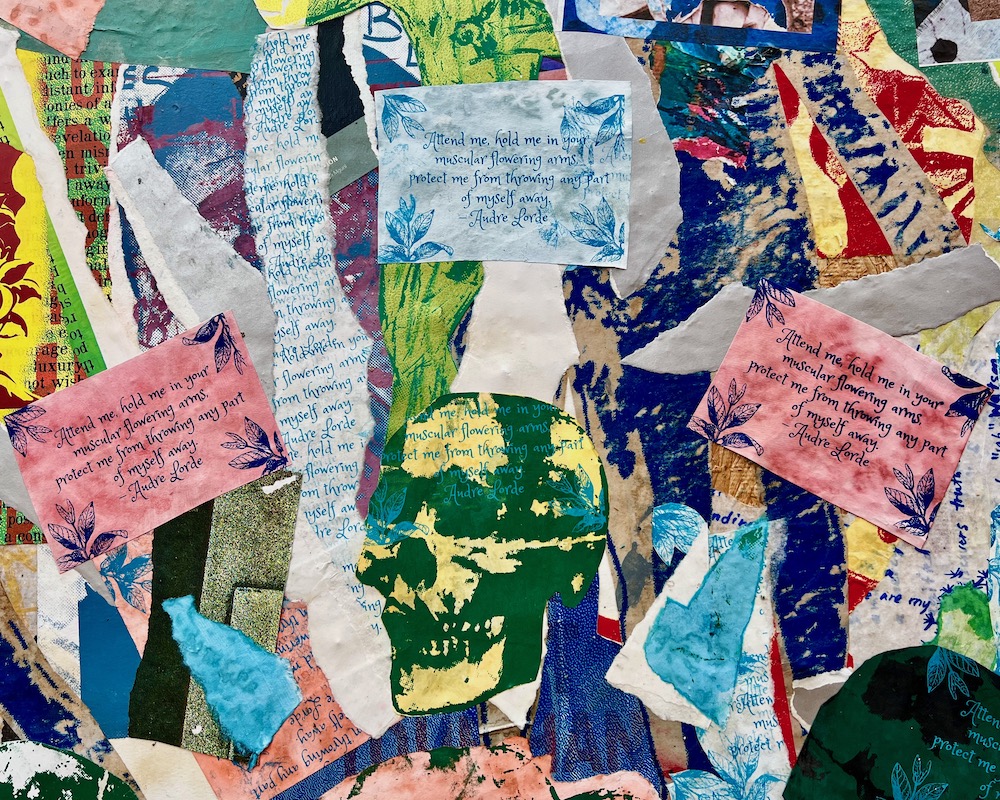
Detail from large collage installation on East Ohio Street, Deutschtown
Attend me, hold me in your muscular flowering arms, protect me from throwing any part of myself away.
These words, from self-described “black, lesbian, mother, warrior, poet” Audre Lorde, are printed and duplicated—silk-screened, most likely—in an ornate, curlicue typeface and accented by fronds of unknown origin.
The cut-out text is layered atop a riot of dozens, hundreds maybe, of other screen-printed elements. Torn paper with the same couplet printed over and over again; images of skulls and boxers, eyeballs and ghostly figures; photographs cut from magazines bedazzled with after-market patterns and paint jobs.
They’re all part of a new(ish) installation on the North Side that, by its very nature, won’t be around for too long. Just like Ms. Lorde, attend it while you can.
Collage (detail) including Audre Lorde quotes, Moravian Way
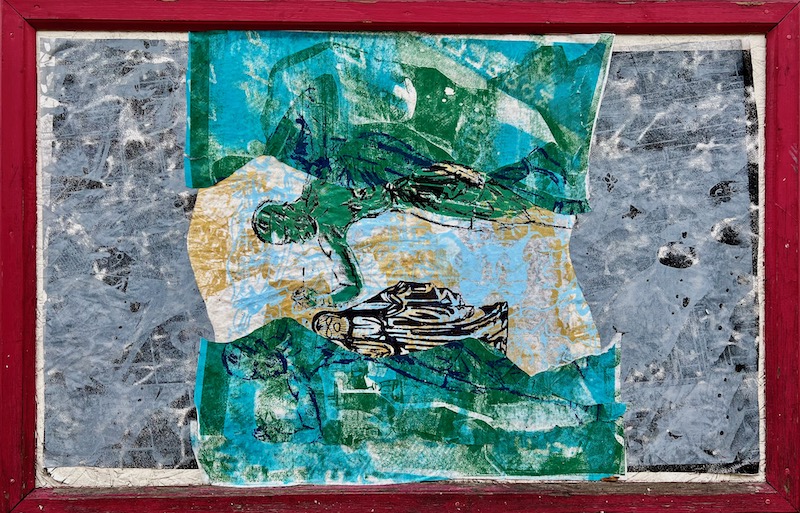
Ghost boxer
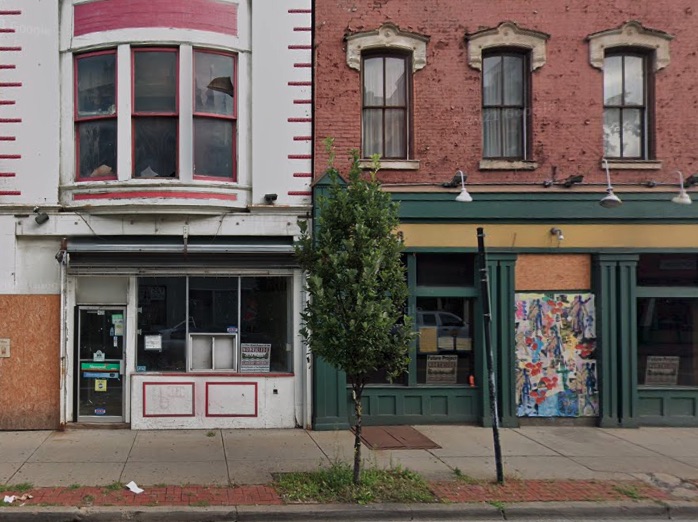
The 400 block of East Ohio Street has seen its fair share of change, even in just the last few years. Google Streetview reminds us the retail storefront at 404 E. Ohio was Ike’s Barber Shop and then Mosley’s Barber Shop until going vacant in 2015. The larger building at the corner was the old Peanutz Bar & Grill, which closed by 2016. In between the two, Alex’s Ice Cream held on longer, but seems to have become a victim of the pandemic lockdown just two years ago.
The most recent time Google documented the street, in August, 2021, it included another interesting detail. 408-410 E. Ohio hosted a large, double-door-sized collage piece on the temporary plywood covering the entrance. This is unmistakably the work of the same artist(s).
406-410 East Ohio Street, most recently Alex’s Ice Cream and Peanutz, in August, 2021 [photo: Google Streetview]
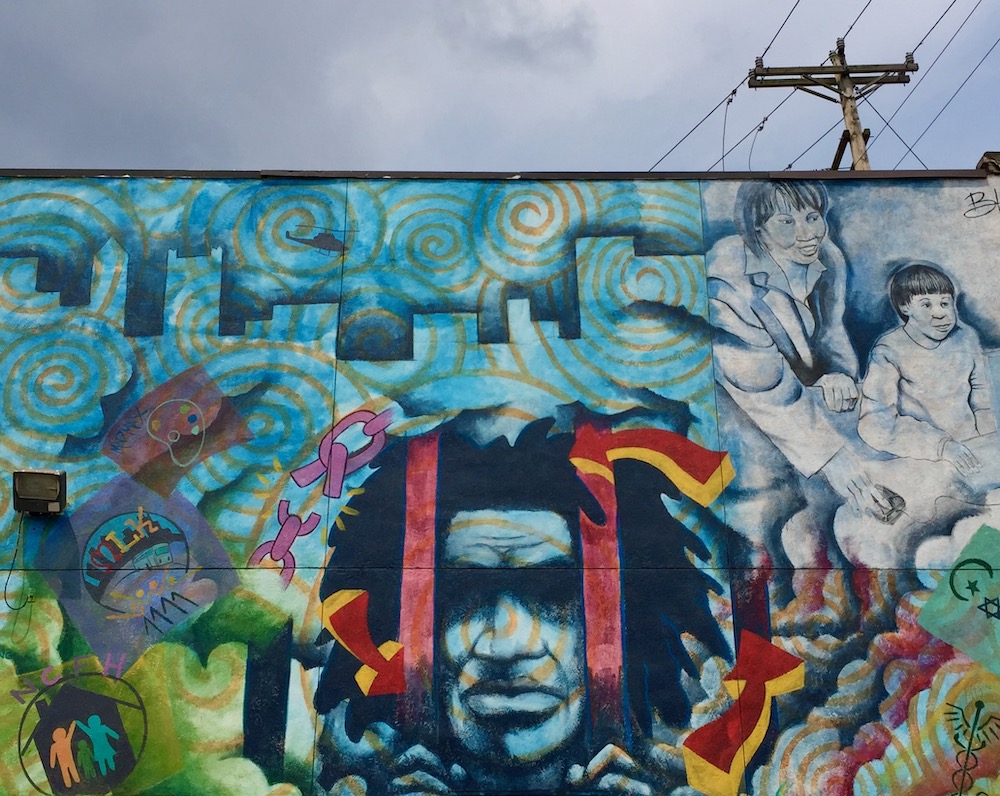
As observers, curiosity-seekers, speculators, we naturally look for meaning and theme when a piece this elaborate is exhibited—and there is plenty to work with here, if that’s your bag. Black icons Jack Johnson and Audre Lorde are an obvious entry point as are reverent photos of everyday folks and revolutionaries, updated with kente cloth, polka dots, and leopard skin patterns.
There’s also plenty of grim, foreboding imagery here. The repeated use of skulls, a menacing monster-like figure with its giant jaw agape, what may or may not be a nuclear blast, and the Virgin Mary in a hostage-taker’s ski mask.
We’ll not make the mistake of assigning any specific message to the collection. The artist (or artists)—there is no attribution on any of the pieces that I could find—kept themselves anonymous (although, we have our suspicions). So there’s no one to go to for clarification, which is fine.
Update (March 19, 2022): Following initial publication of this story, Pittsburgh Orbit was informed that the artists involved are Quaishawn Whitlock, Bekezela Mguni, and Darrell Kinsel. The three have a current show called Alchemical, created as part of their residency at AIR: Artists Image Resource on nearby Foreland Street.
Collage (full), Moravian Way
Whether we’re supposed to think anything at all about a stirring work, heavy on the iconography, or just enjoy the blast of layered color from a voracious screen-printer cleaning out his or her workspace is missing the point.
Someone created this, and it’s beautiful. It’s also unexpected, fun, head-scratching and gets us out of our heads and into the world. It’ll also be gone before you know it. The wheatpasted paper is already peeling at the corners and between unpredictable Pittsburgh weather and a property manager trying to rent the spaces, the whole thing will disappear before you know it.
Protect me from throwing any part of myself away feels like it might be a way of life for whoever did this. Embrace the piece by holding its visage in your muscular flowering arms, err … thoughts, dreams, and travels.
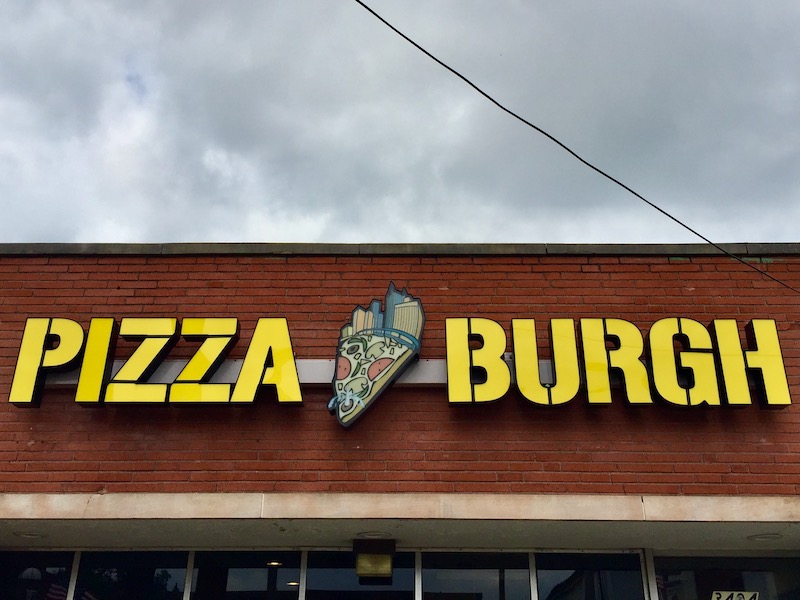
Pittsburgh: the city with gray skies and extra toppings. Pizza Burgh sign/logo including the skyline of downtown Pittsburgh, Munhall
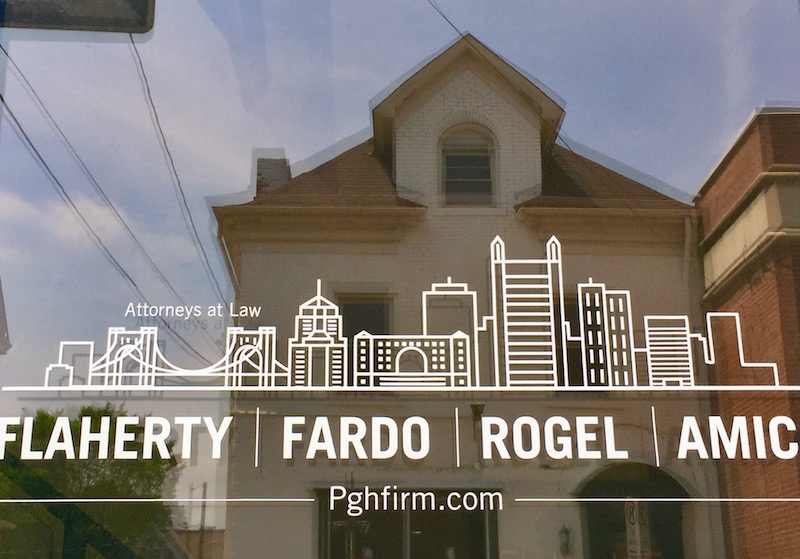
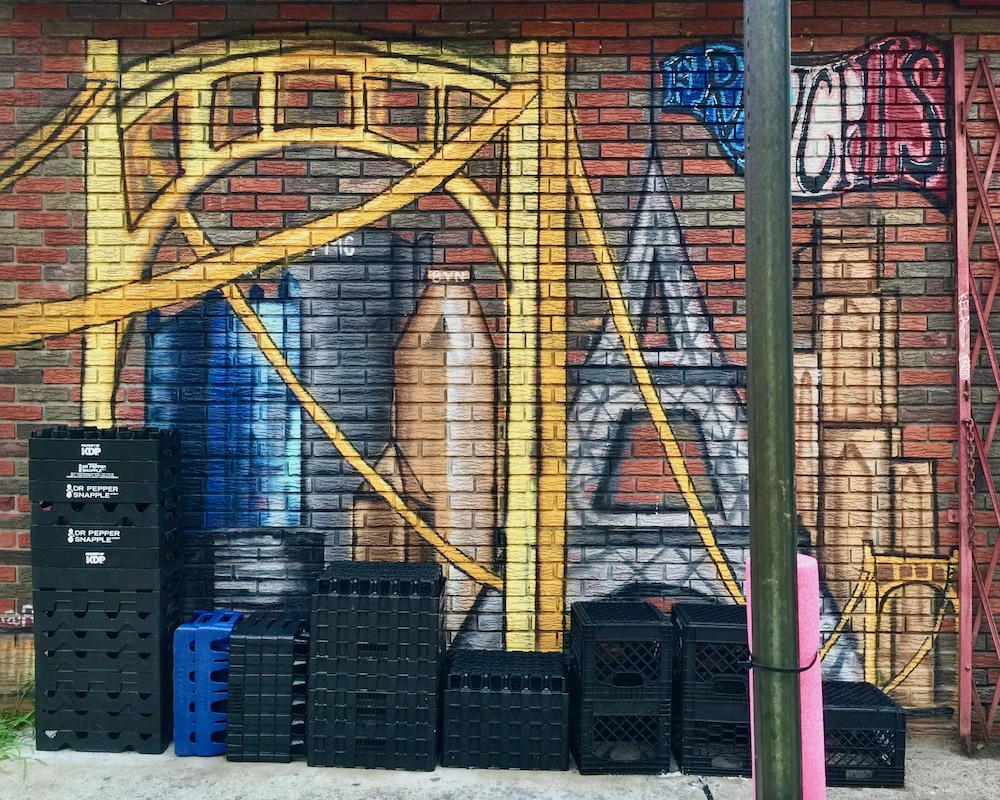
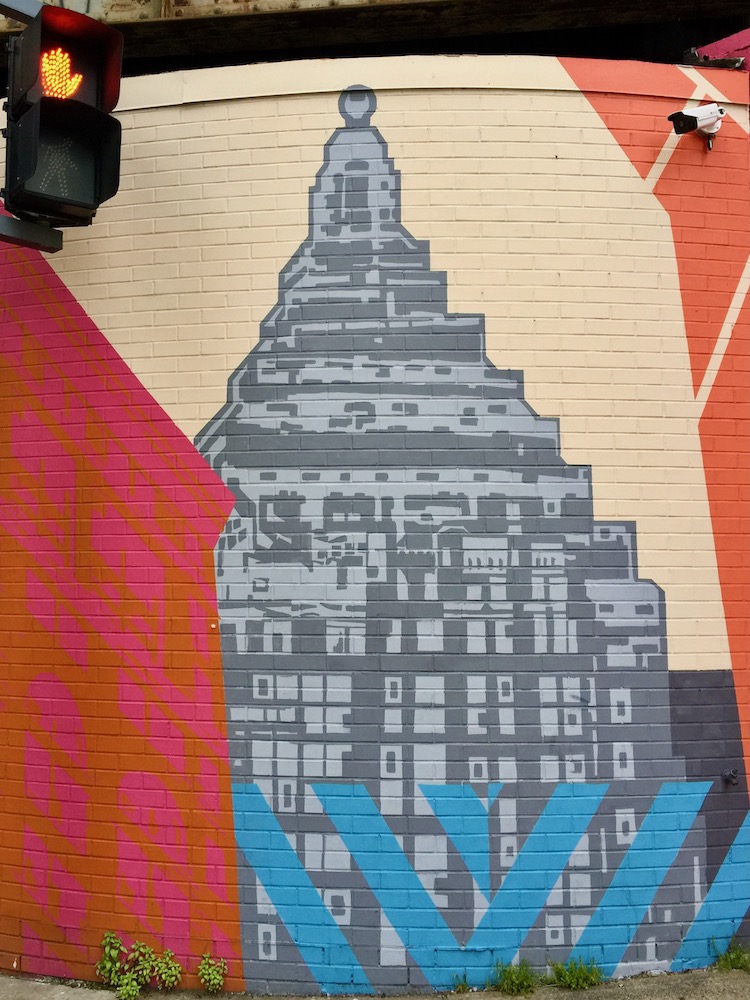
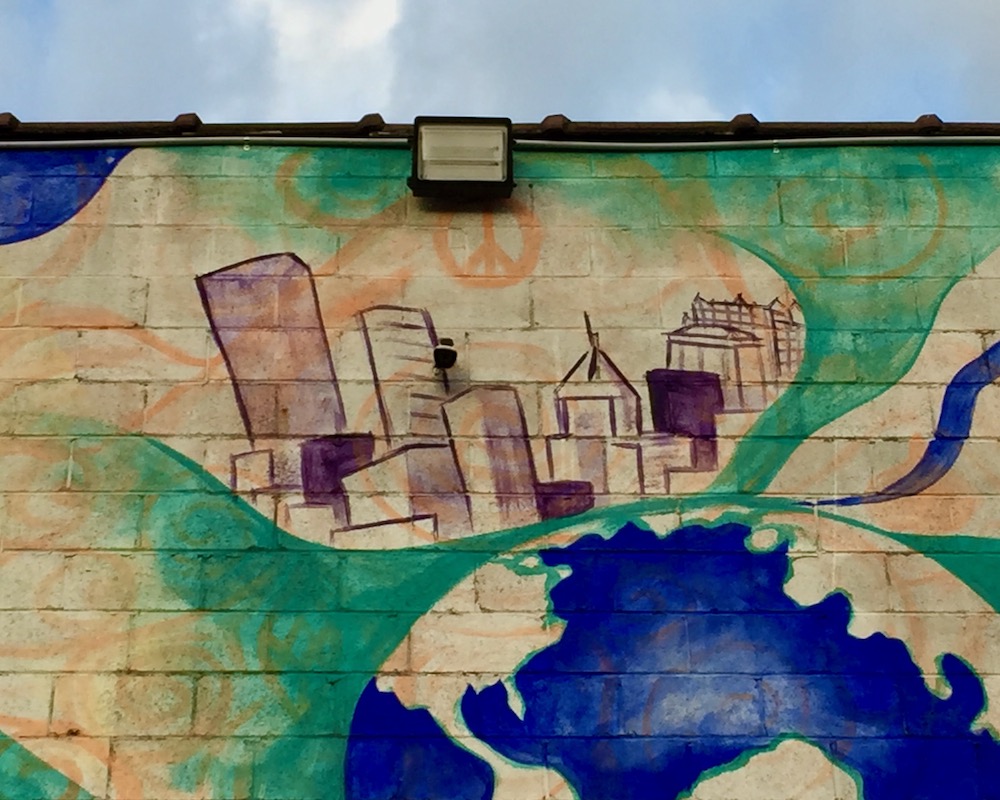
Sweet Jesus! How much more can we say on the evergreen topic of Pittsburgh’s downtown skyline getting stylized, abstracted, and turned into commercial art? If we didn’t run out of things in last week’s post (about murals), then we most certainly did if you go back to the previous eight editions of skyline roundup preceding it.
Finding skylines out in the wild and collecting photographs of their many representations is still a labor of love slash limitless egg hunt. Writing about them—again—is like describing the contents of one’s sock drawer. There’s just not that much (more) to say.
So we’ll keep this extra short and get you onto what Orbit faithful have been pining for: graphic representations of downtown Pittsburgh on food trucks and banks, law offices and pizza boxes. Keep warm, be safe, and look up.
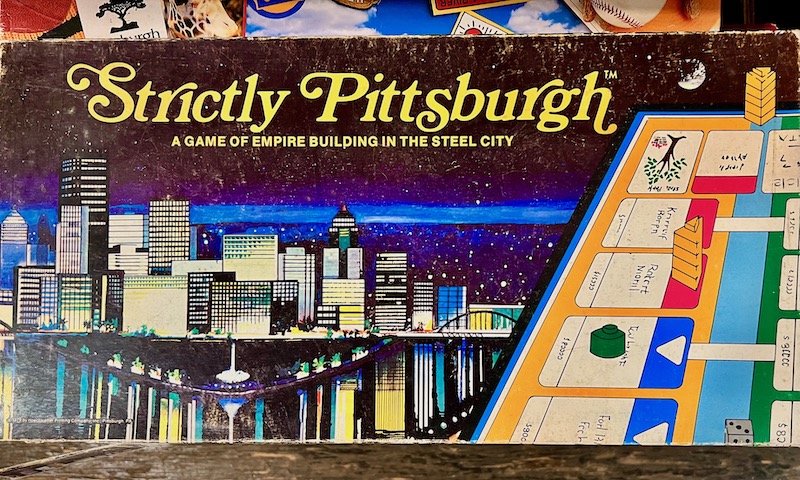
Empire City. Strictly Pittsburgh board game, c. 1979, Hoechstetter Printing Company, Inc.
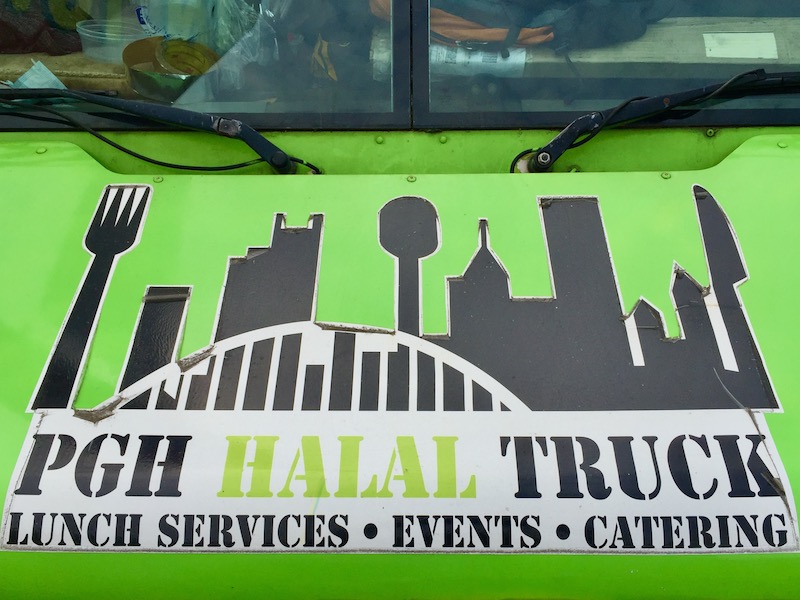
A city ready to eat. PGH Halal Truck
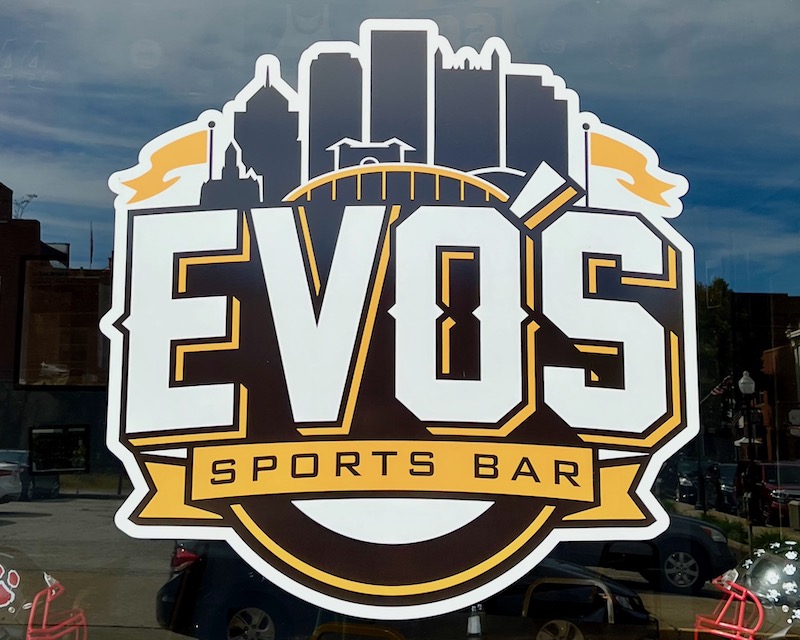
Black-and-gold city. Evo’s Sports Bar, Charleroi
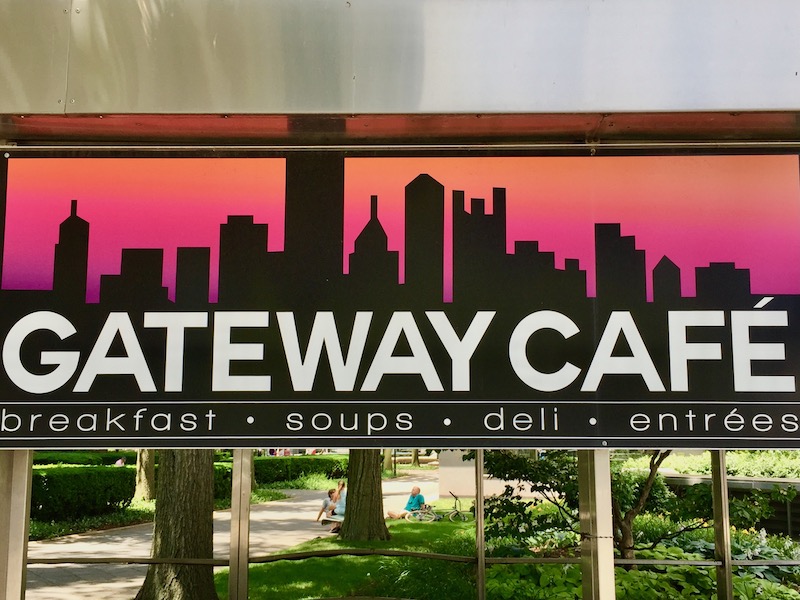
Sunset City. Gateway Cafe, Downtown
Little big skyline against big little skyline. Shadyside
The city with loose mortar and giant masons. 3 Rivers Brick Pointing
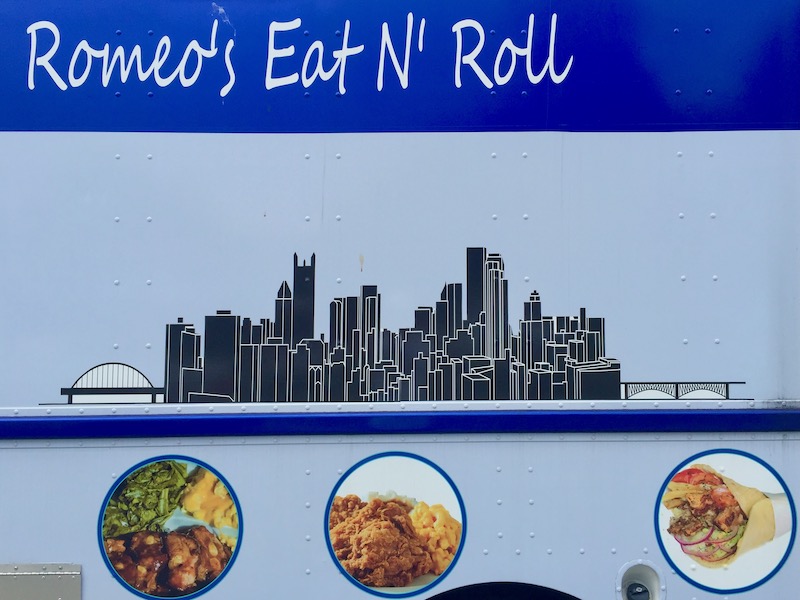
Dense City (not). Romeo’s Eat N’ Roll food truck
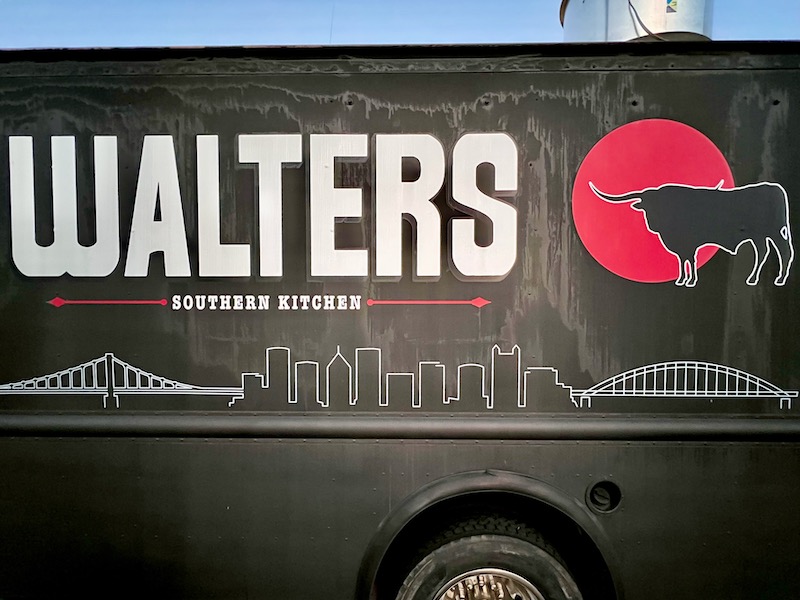
Southern City (not). Walter’s Southern Kitchen, Lawrenceville
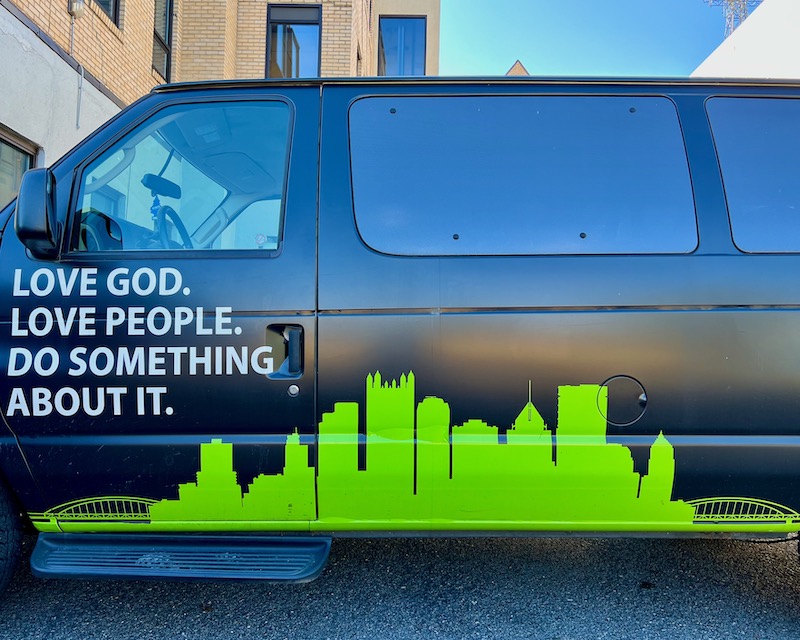
A God-loving City. Vintage Church, Mt. Washington
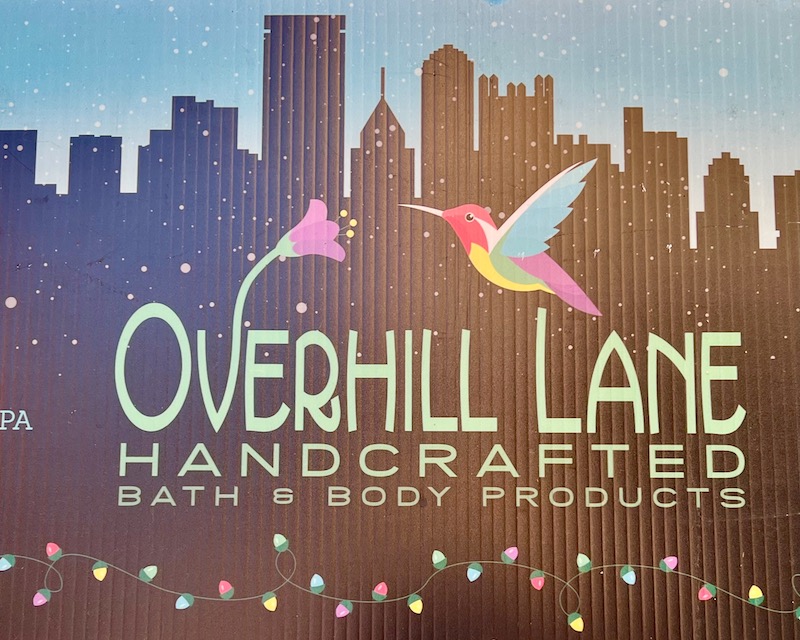
An over-the-hill city. Overhill Lane, Strip District
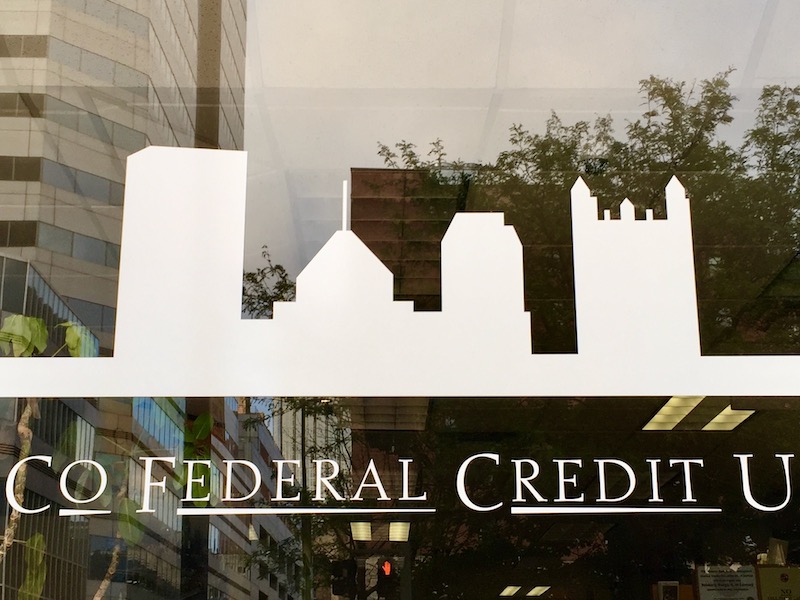
Block City. City Co. Federal Credit Union
Garden City. Grounded/Neighborhood Allies PGH Mobile Toolbox, Larimer
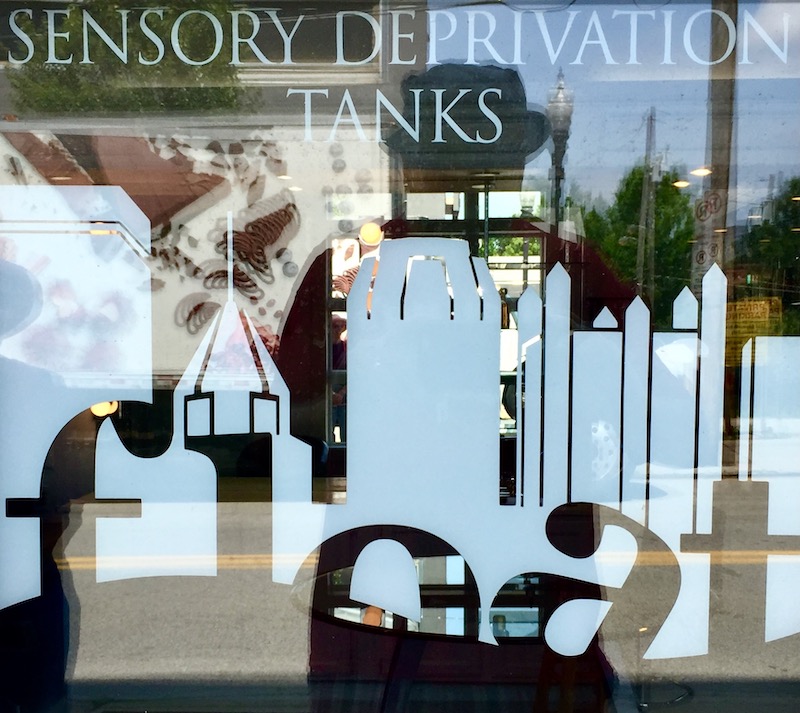
Sensory Deprivation City. Float, Shadyside
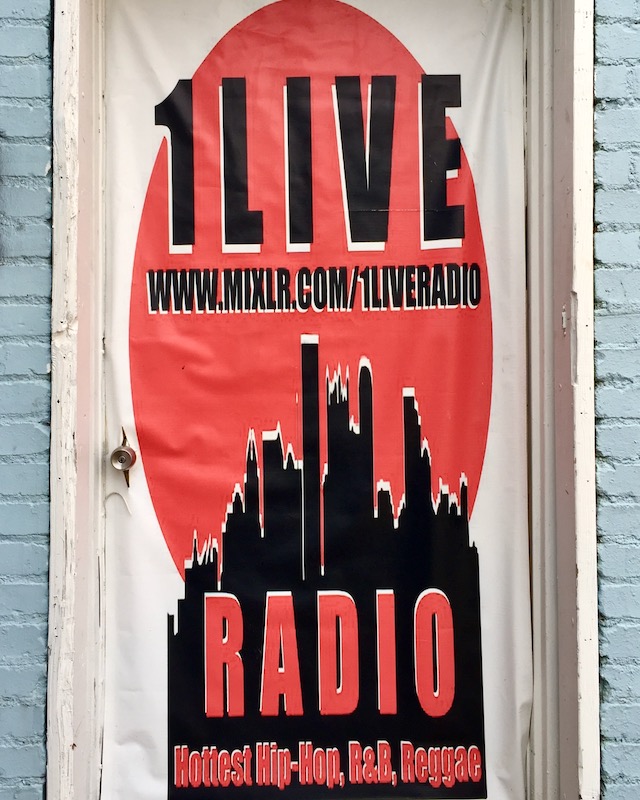
8-bit City. 1 Live Radio, Marshall-Shadeland
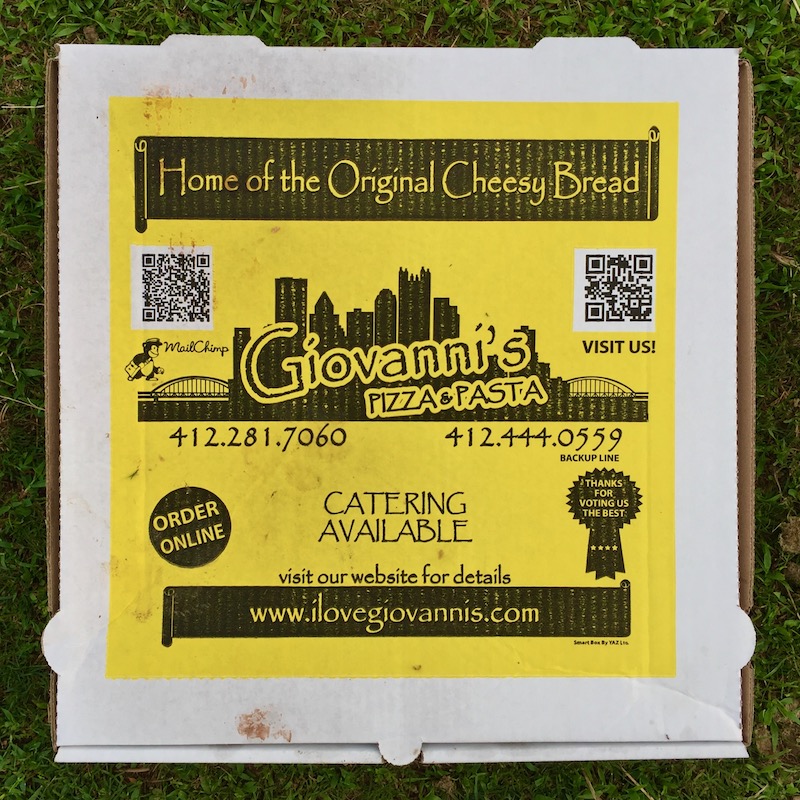
City of the original cheesy bread. Giovanni’s Pizza & Pasta
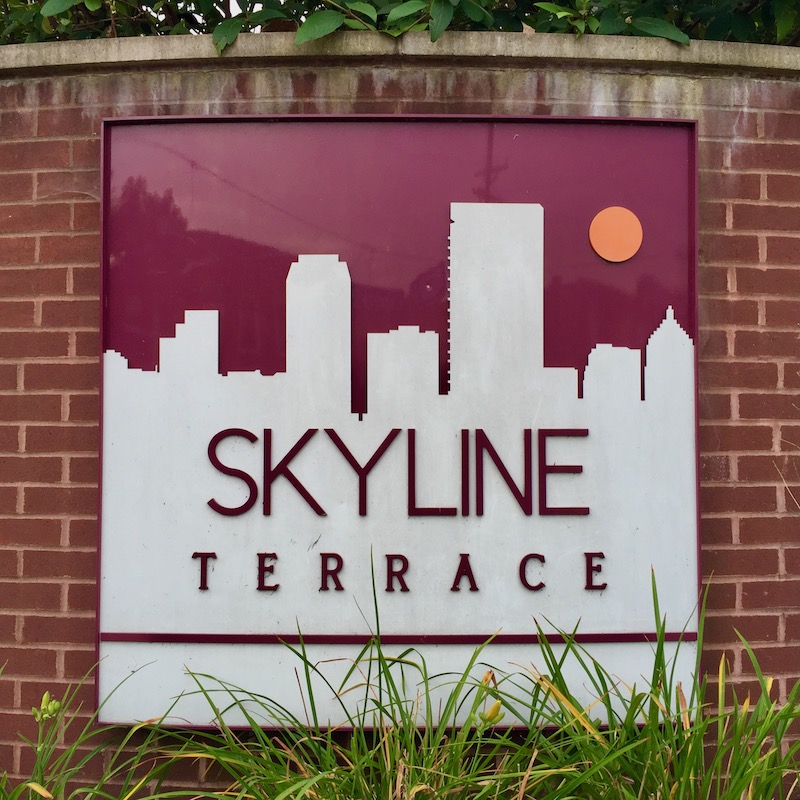
City of the rising sun. Skyline Terrace, Hill District
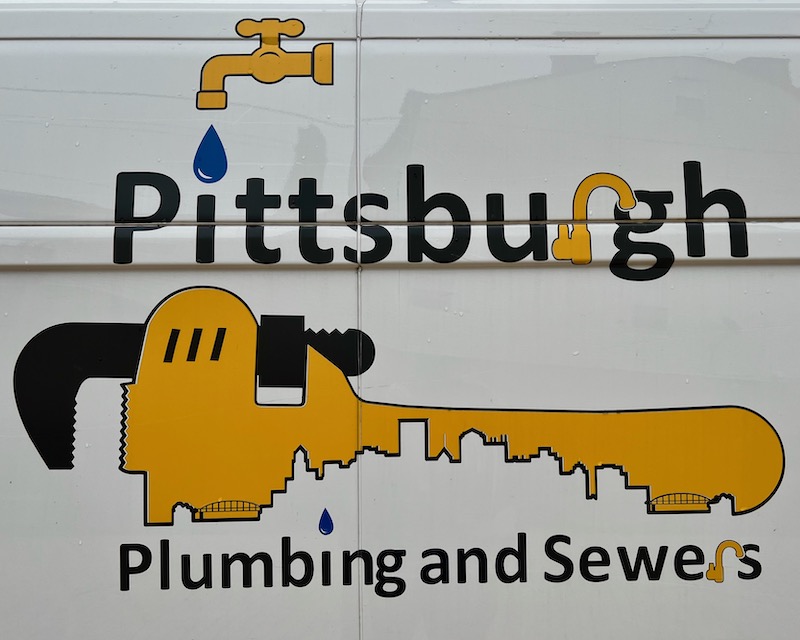
The city with a leaky faucet. Pittsburgh Plumbing and Sewers
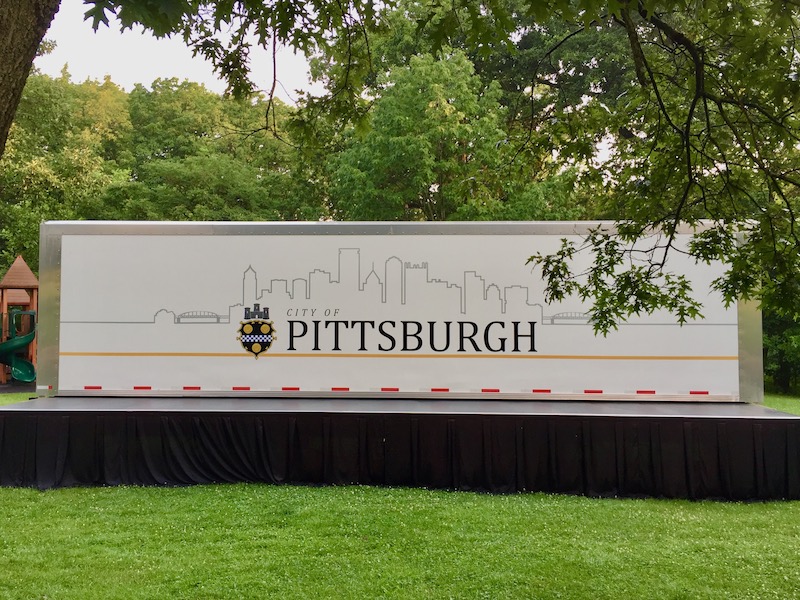
All outlines, no filler. City mobile stage, Schenley Park
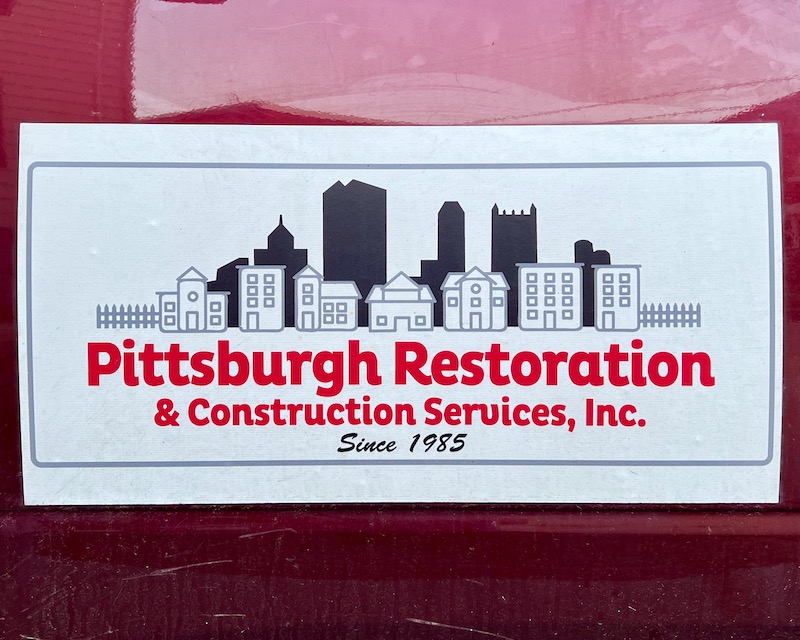
Restoration City. Pittsburgh Restoration & Construction Services, Inc.
Parks in the front; buildings in the back. Park/City. CitiParks logo
A downtown bookended by bridges … and books. Greater Pittsburgh Festival of Books
Rainbow City—now with medical marijuana! Maitri Chevy
Black-and-gold city, City of Bridges High School, East Liberty
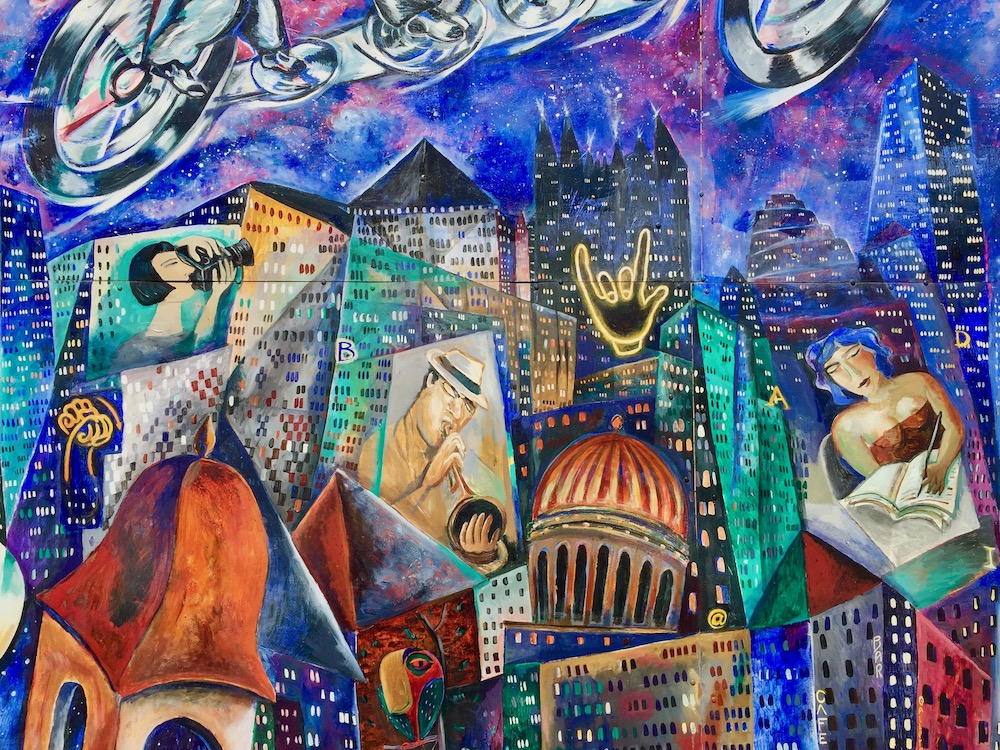
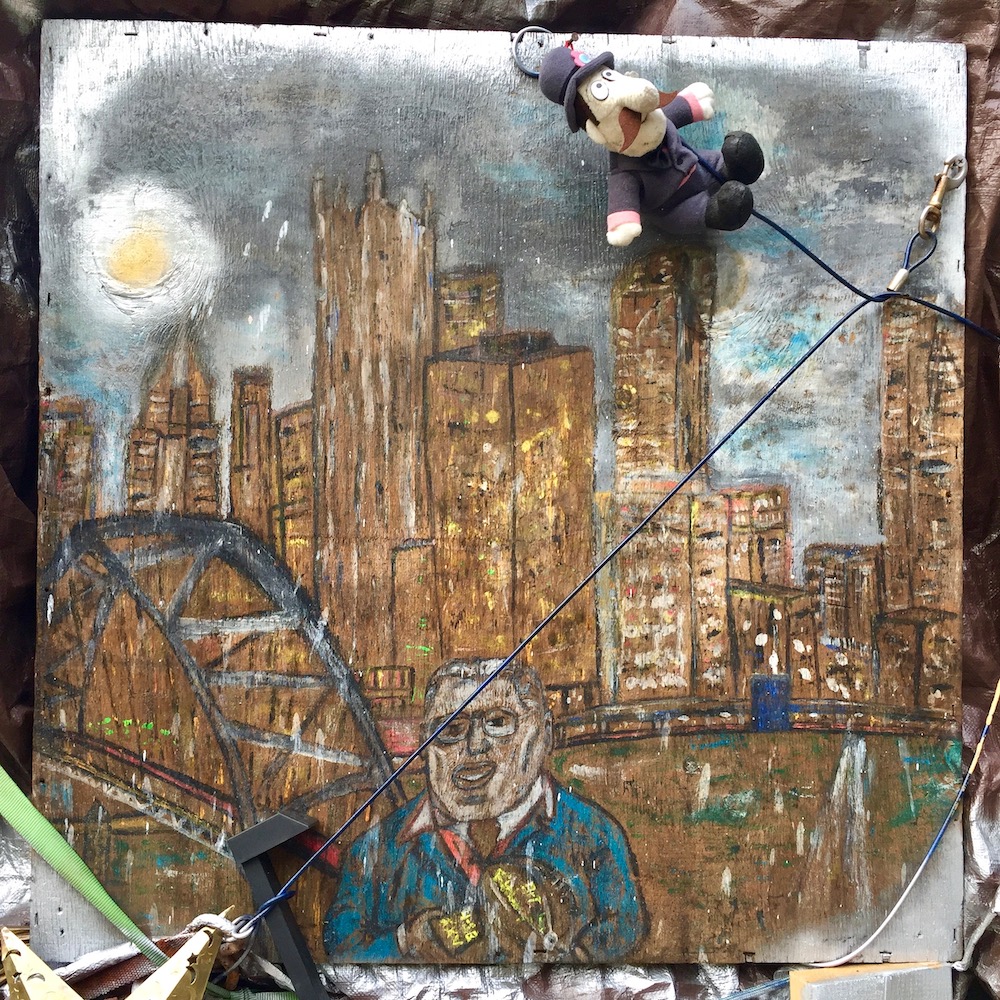
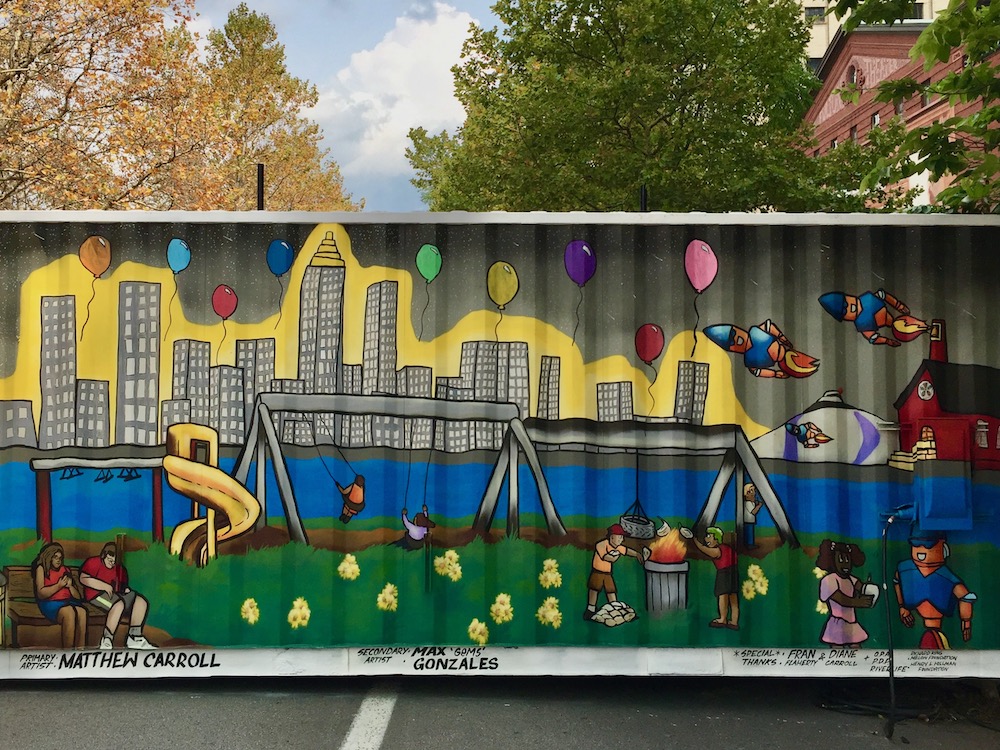
Bright lights, mid-sized city. Mural depicting downtown Pittsburgh … or, at least, PPG Tower is represented, Uptown
Tall towers thrust skyward into a night sky lit up in aurora borealis-like technicolor fantasia. The buildings, black in darkness but each lit from hundreds of glowing window insets, cant in wild directions with the hyperextended angularity of so much German expressionism.
The painting covers a full exterior wall on a little building on Gist Street, Uptown. Whether or not it’s supposed to represent downtown Pittsburgh is questionable, but with the spiky spires of PPG Tower clear in the foreground the mural must at least be inspired by its host city.
The Paris of Appalachia. Frenchi’s, Oakland
Like tribbles, vape shops, and yes, Omicron cases, art and design representations of downtown Pittsburgh’s skyline seem to mutate and regenerate at an exponential rate. Why this, our ninthstory on the subject, had so many new skylines collected in just the last few months that we’re breaking the recent arrivals into two parts.
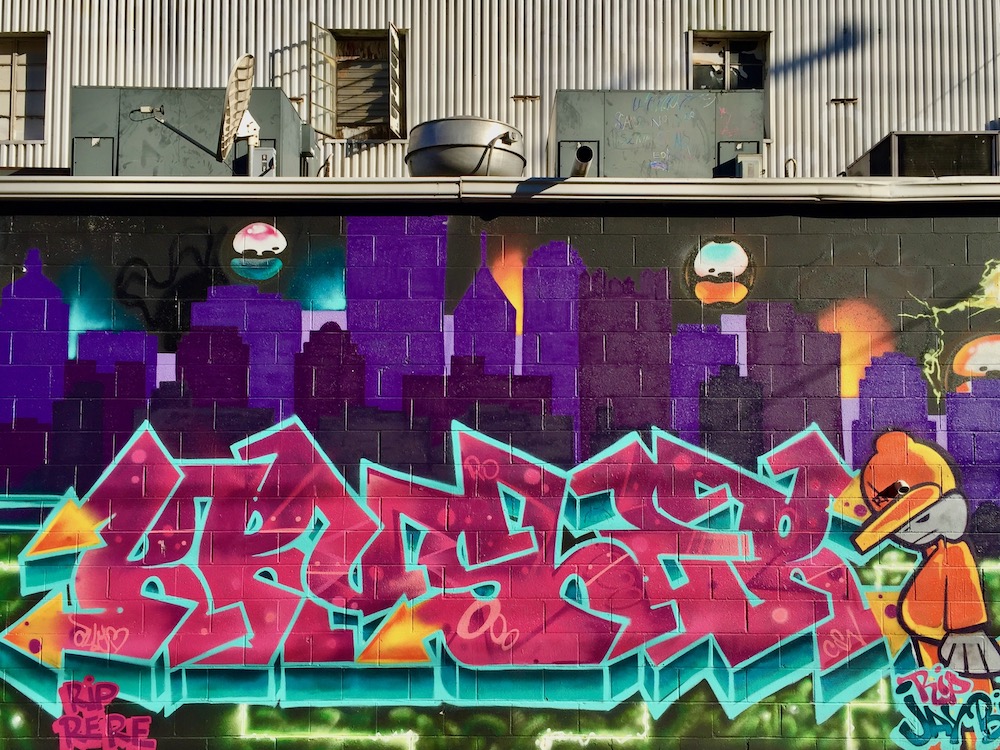
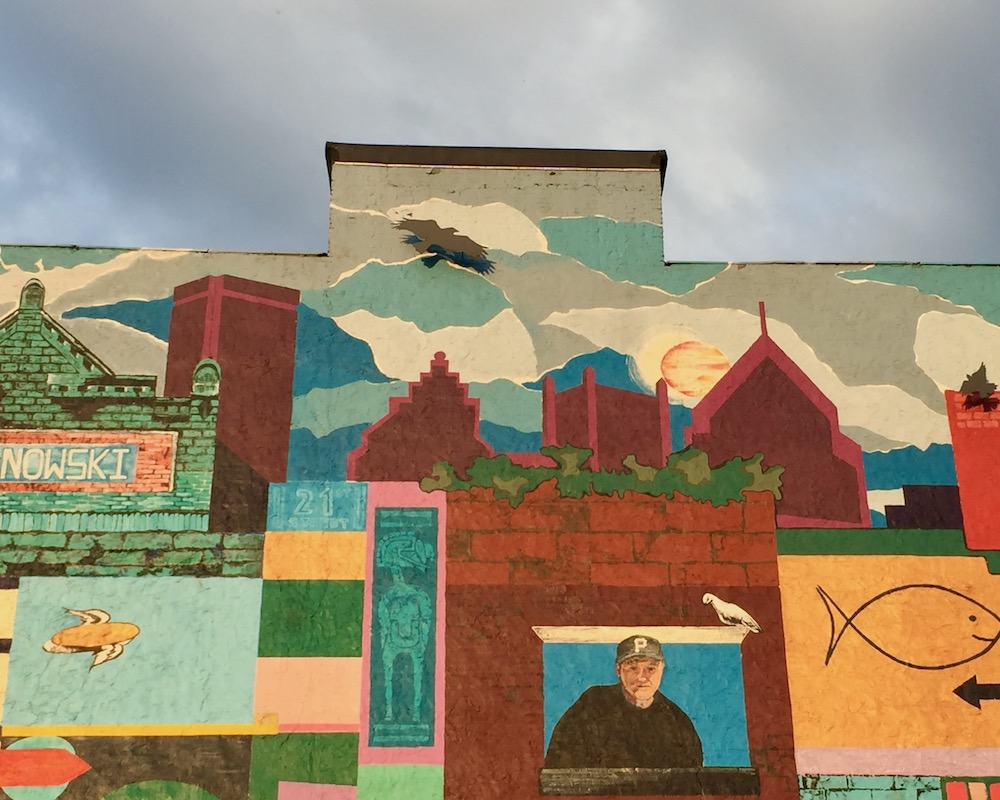
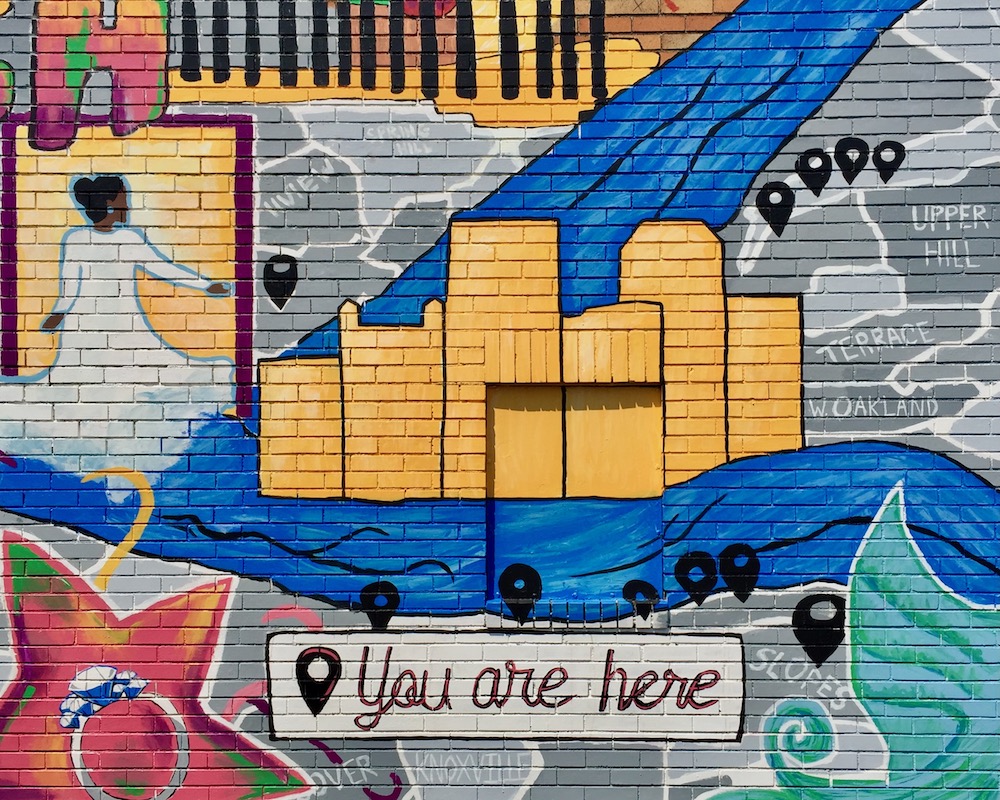
This then is Part 1: Let’s talk about murals where we get down with original artistic creations painted directly to brick, cinderblock, and plaster (plus one “outside art” painting). Next week, we’ll be back with Part 2: Designs, Signs, and Outlines.
Until then, keep your feet on the ground and keep reaching for the skyline.
Erotic City I. Strip District
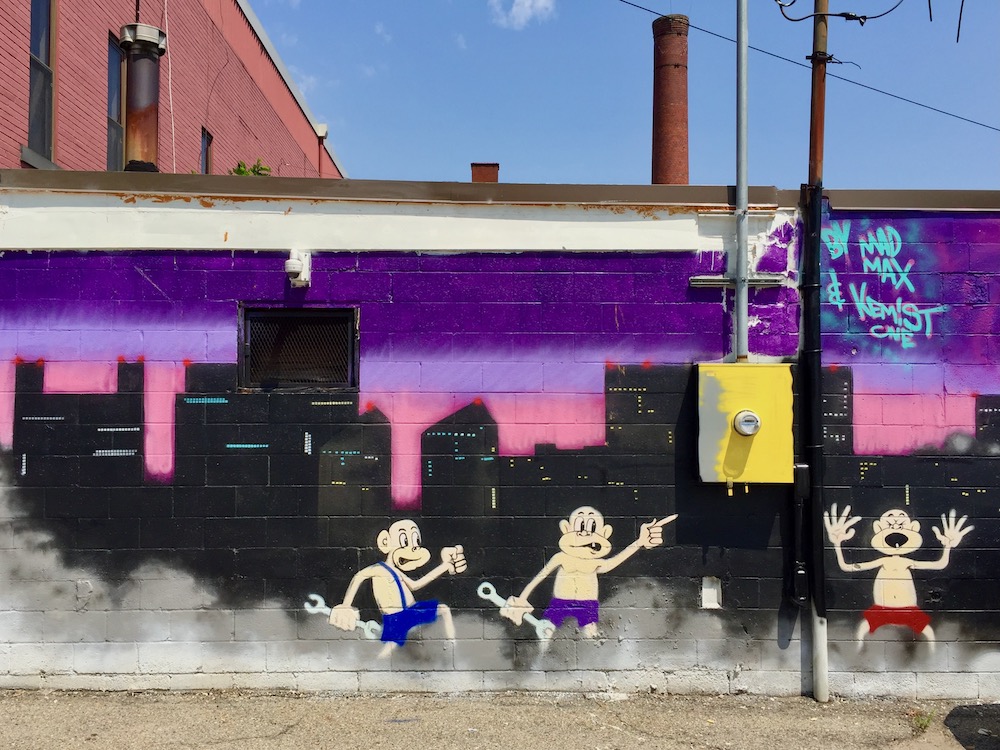
Erotic City II (with monkey mechanics!). Apex Auto, South Side
If you have to pick just one skyline element… Gulf Tower, Strip District/Downtown
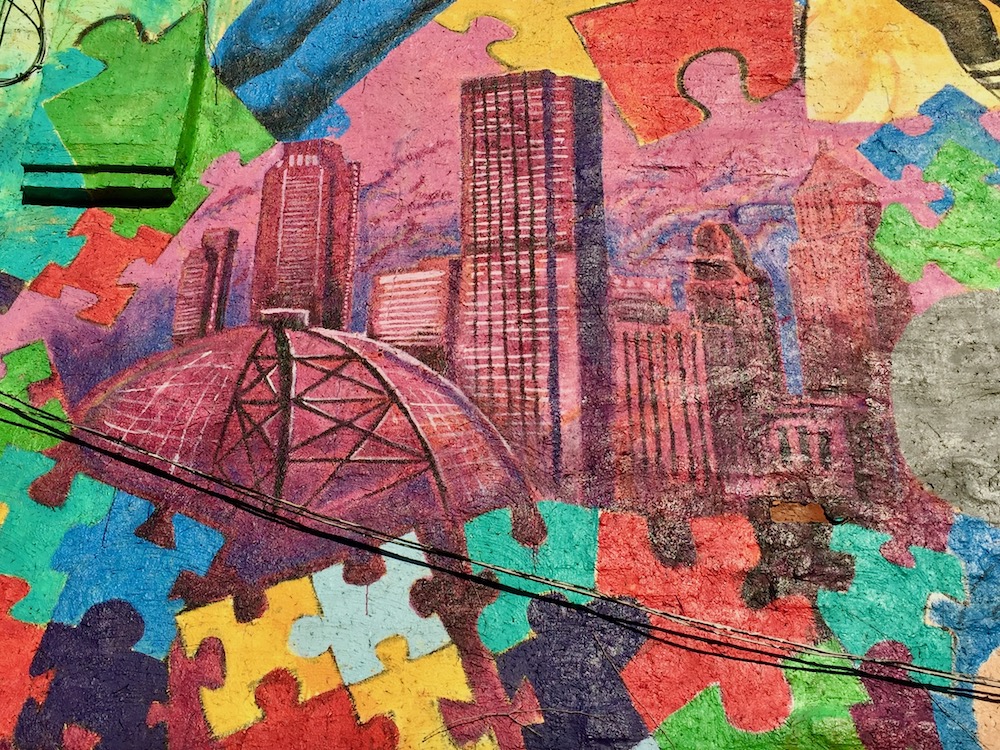
A puzzling city. Uptown
Revolution City! Spirit, Lawrenceville
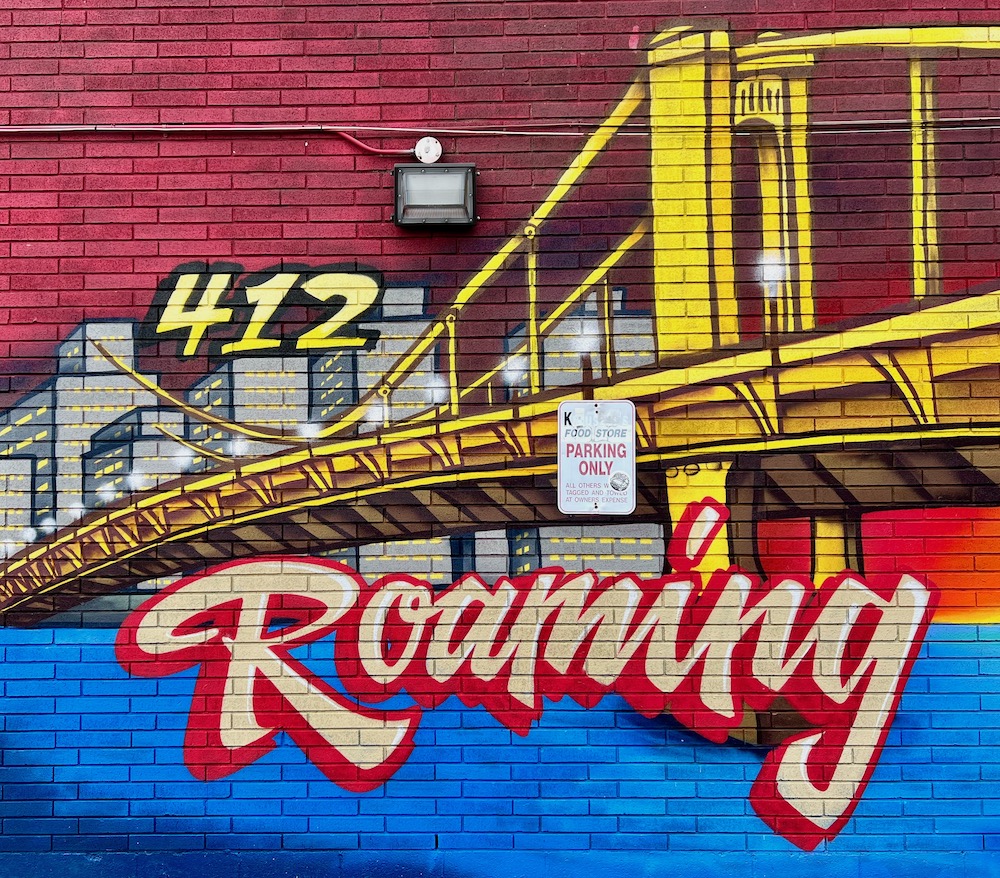
Roaming City … but parking is reserved for K-2 employees. K-2 Market, Garfield
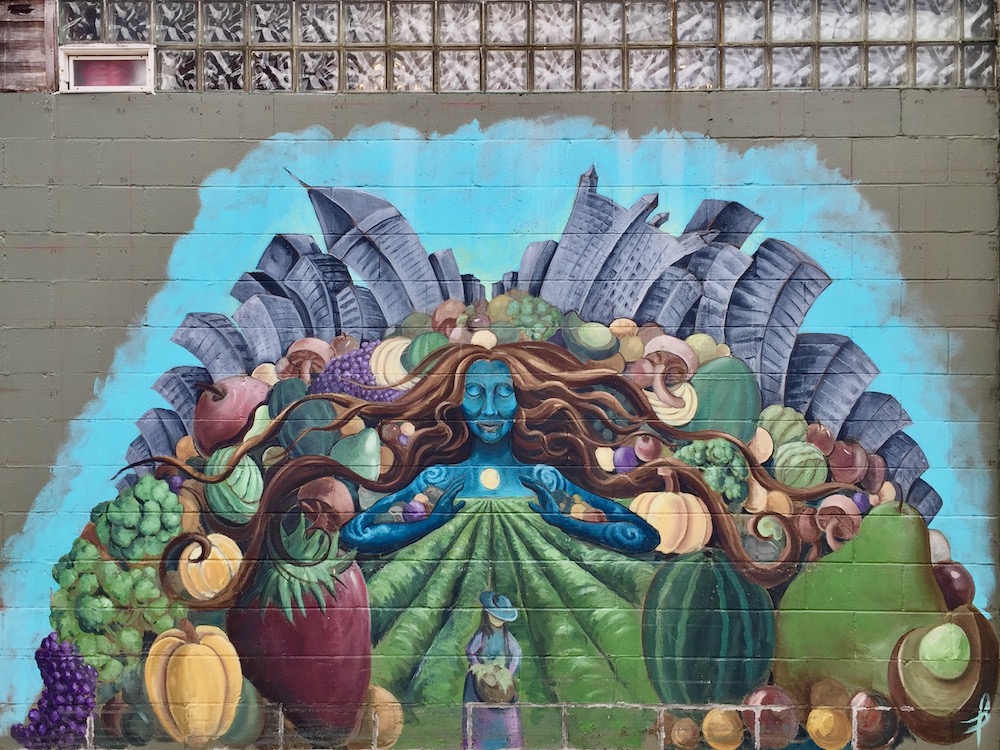
Earth Mother/Vegetable City. East End Food Co-op, North Point Breeze
The city that makes a great impression…istic art subject. Outside art, North Side
A Strip District view of the city. Strip District
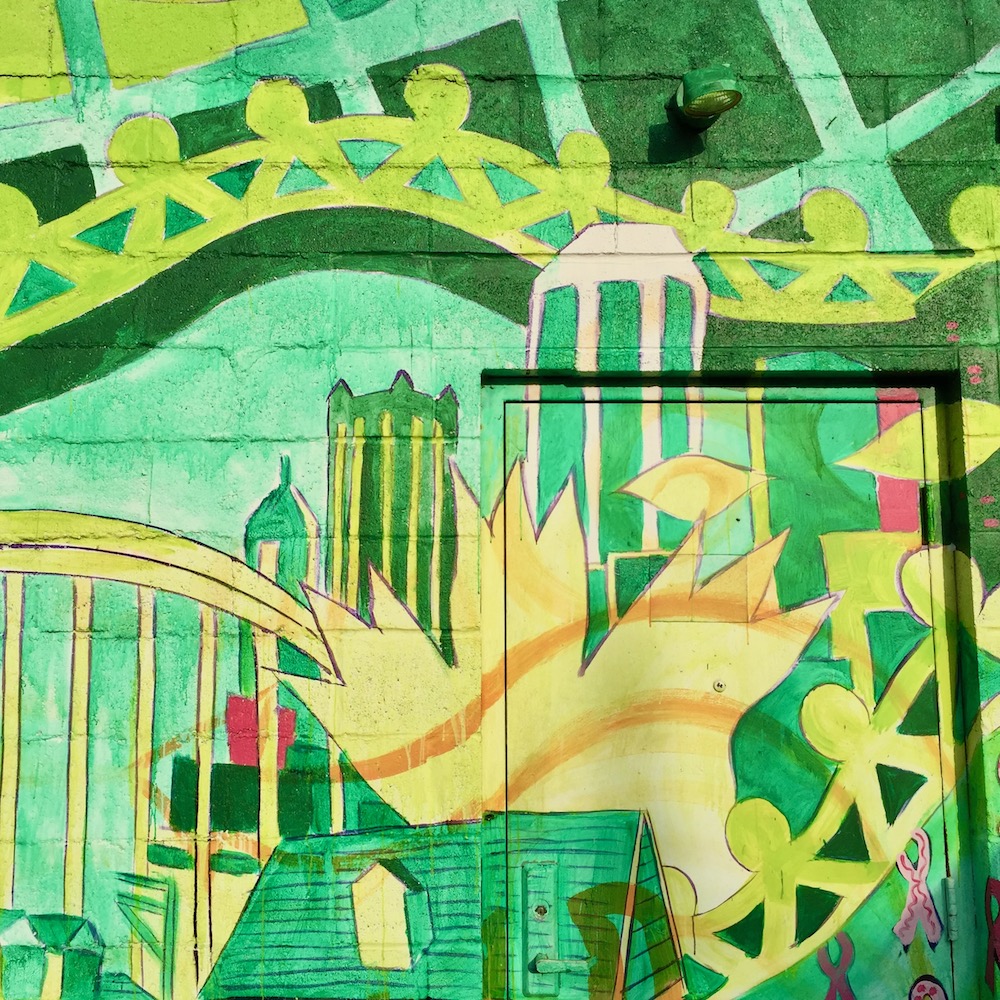
Green City. Uptown
Flood City. Beltzhoover
The city aglow. Mobile stage, Three Rivers Arts Festival
A sketch of a city. Salem’s Market, Strip District
The city with a little bit of everything. Manchester
The newest, tiniest art space in town. Silver Apple Gallery, Main Street, Lawrenceville
“A gallery for all,” declares artist Kirsten Ervin. That mission, inspired by Mayor Gainey’s pledge to make Pittsburgh a city for all, is one of the guiding principals behind the city’s newest, tiniest, and Covid-accessible…est art spaces.
The Silver Apple Gallery, located on Main Street in Lawrenceville, is a project of Ms. Ervin (aka Ms. Orbit) and yours truly. It has but a few cubic feet of display space, parking may be scarce, and don’t count on filling up on hors d’oeuvres at openings, but there’s a lot we can do with this little addition to the art scene.
Inspired by the area’s first little free art gallery, in Sharpsburg, The Ms. asked her Mr. to construct something similar. That turned into a Christmas project/present executed by the most amateur of carpenters from (mostly) scrap wood and a recycled Window by way of Construction Junction. The name was inspired by some fake fruit found at the Center for Creative Reuse and an homage to the great Morton Subotnick. Mild New Year’s weekend weather let us install it right away.
How ’bout this apple?
We plan on running the gallery in two modes, alternating month-to-month—but don’t hold us to that; we’re still making this up as we go along.
On the odd-numbered months (January, March, etc.) the space will operate as a little free art gallery. It will remain unlocked and available for artists to drop off their work to show and give away. (Just, please, keep it community-friendly: nothing depicting violence, hate, or overly-sexual.) Like little free libraries, passers-by, collectors, and fellow artists are encouraged to take a piece of art if one speaks to them.
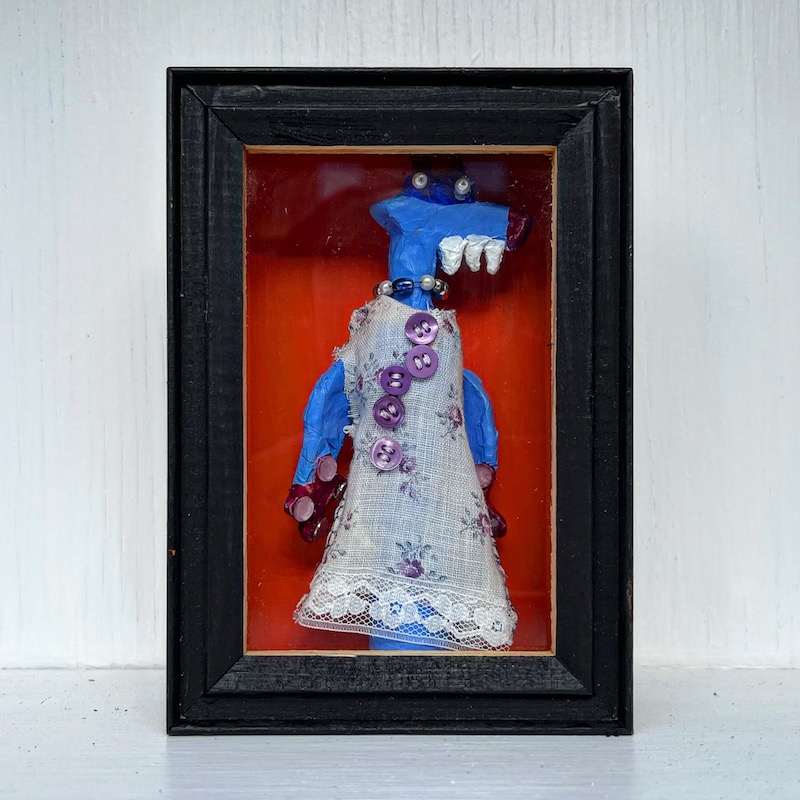
Kirsten Ervin’s tiny monster in a tiny dress inside a tiny box at the Silver Apple Gallery
On the even months, we’ll turn the space into a full-on tiny art gallery. These will have dedicated shows by individual artists, created for the unique environment. Silver Apple, uh, staff will assist in the hanging, presentation, and lighting the shows. During this time, the gallery will be locked and artists have the option to sell their work directly to those interested. In the Art All Night model, this exchange will be entirely between seller and buyer—The Silver Apple will neither charge a fee nor take a commission.
In February, we’ll be hosting the first individual two-week shows by artists Suzanne Werder (Feb. 1-14) and Ricardo Solis (Feb. 15-28). If you’re an artist who’d like to show at The Silver Apple in the future, either get in touch with us through our Instagram account (@silverapplegallery) or here at the Orbit. When it becomes virologically safe to do so, maybe we’ll even have some little openings on the front porch.
We caught artist John Lee as he snuck by to drop off his painting “Super Flexible Birdman,” which became the first exhibited piece at the Silver Apple Gallery
“We want The Silver Apple to be accessible, fun, and delightful,” Ervin says, “Hopefully, for people that just stumble across it, the gallery will lift their days. This is our gift to the community and ourselves.”
So please, if you find yourself somewhere around Lawrenceville, stop by, take a peek at what’s in the gallery (it changes every day!), and bring a dog biscuit for Halo, the husky next door.
A Dan Ivec pen-and-ink drawing—likely with a fantastic title we’ll never know—showed-up in the gallery just yesterday.
Silver Apple Gallery is located at 255 Main Street, Central Lawrenceville. Hopefully it will contain something interesting every day of the year, but it may be a little hard to see after dark. To keep up with goings-on at The Silver Apple, we recommend following our Instagram account: @silverapplegallery.
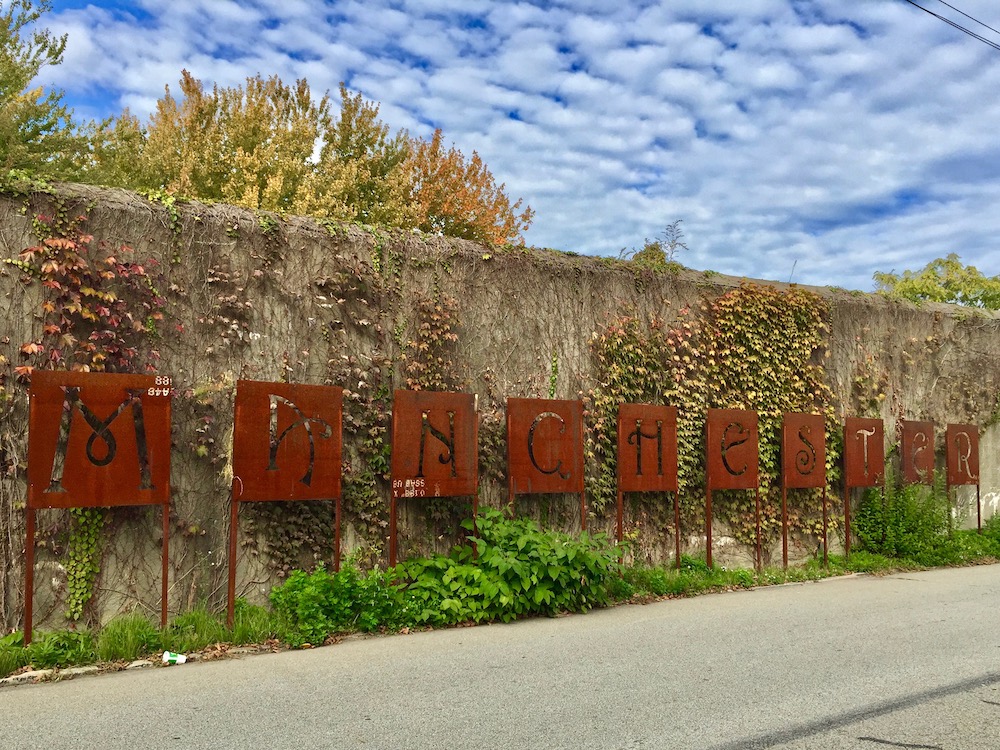
Manchester, where the greatness of its neighborhood welcome sign is matched only in its cotton candy skies
Thanksgiving’s back, baby! The good news is that last year’s cancellation has been repealed and, by Thursday, families will reunite to resume the polite political discourse, subtle lifestyle judgements, and long-unresolved childhood issues they so dearly missed last year. Sure, the inevitable post-holiday spike in coronavirus cases spreading throughout our union won’t be pleasant, but how will we get to the mu or omicron variants if we don’t all do our share?
Regardless, the city of Pittsburgh will welcome visiting friends and family members when and however they get here. We can collectively cross our fingers that enough folks have been boosterized to handle all the close-quarters jawboning and cross-table finger-pointing that ensues.
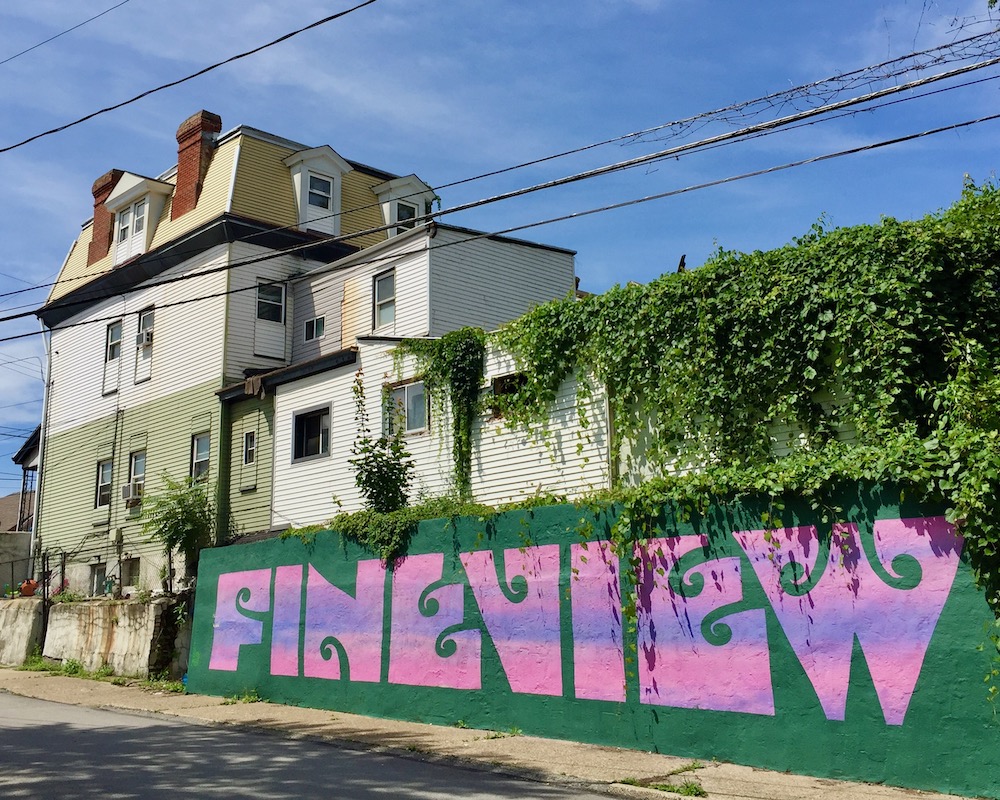
Fineview
Said visitors will be arriving to a changed city … at least, somewhat. The last two years have been ones of big investment and a little growth. There are plenty of new Legoland™ condos and not a few painful demolitions. But we’ve also seen the creation of some exciting new public spaces and a lot of renewed neighborhood pride.
Why, Fineview’s big retaining wall welcome mural, on Warren Street (photo above), didn’t even exist during Thanksgiving 2019. We like to think the Orbit pointing out the neighborhood’s previous, underwhelming sign had something to do with that, but perhaps it was just coincidence. (For reference, see our first story on this subject from 2018.)
The Garfield gator!
Whatever prompted neighborhood do-gooders to take up brush and paint, wood and brick to celebrate the pride they have in their corners of the city, we love it. Here then is Part 2 of our neighborhood welcome sign roundup where the casual sign-spotter can enjoy some great new additions to the streetscape, check in on old favorites, and peek at a couple Easter eggs. Sit back with the popcorn … er, turkey sandwich, and watch as Deutschtown and Lawrenceville continue their welcoming open arms race for the most total signage.
A final note:Yes, we’re still missing plenty of place/signs—the southern neighborhoods are woefully underrepresented so far—so there will be a Part 3. Until then, be understanding, try to avoid the petty squabbles, and leave some room for dessert.
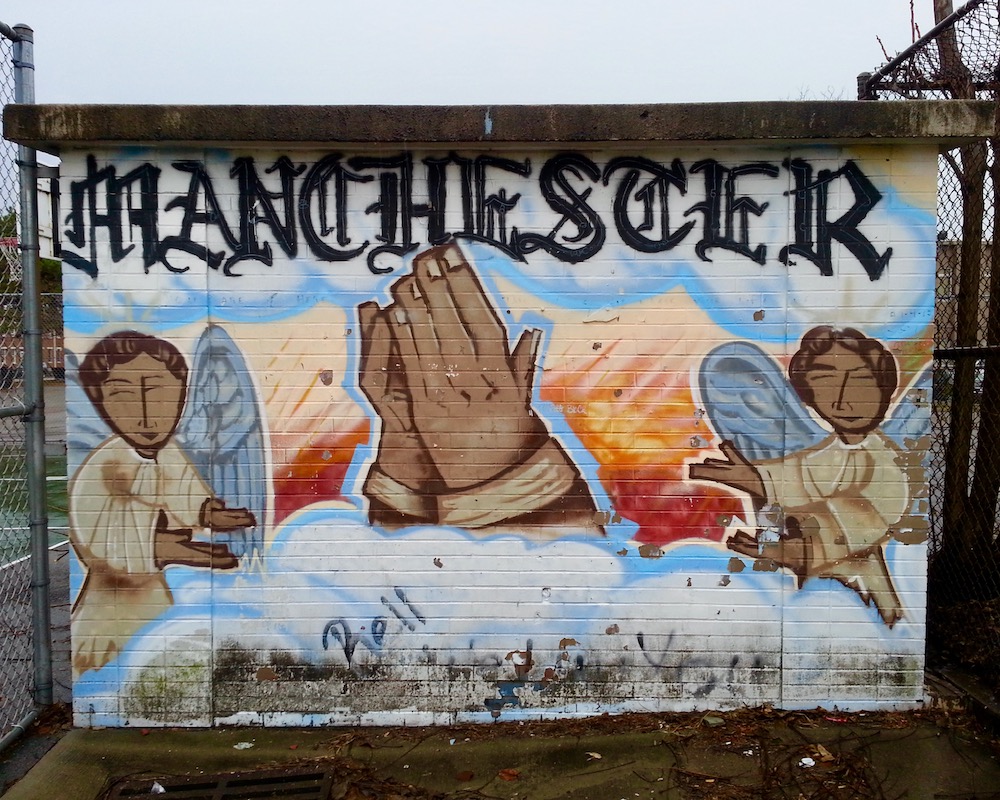
Praying hands. Manchester
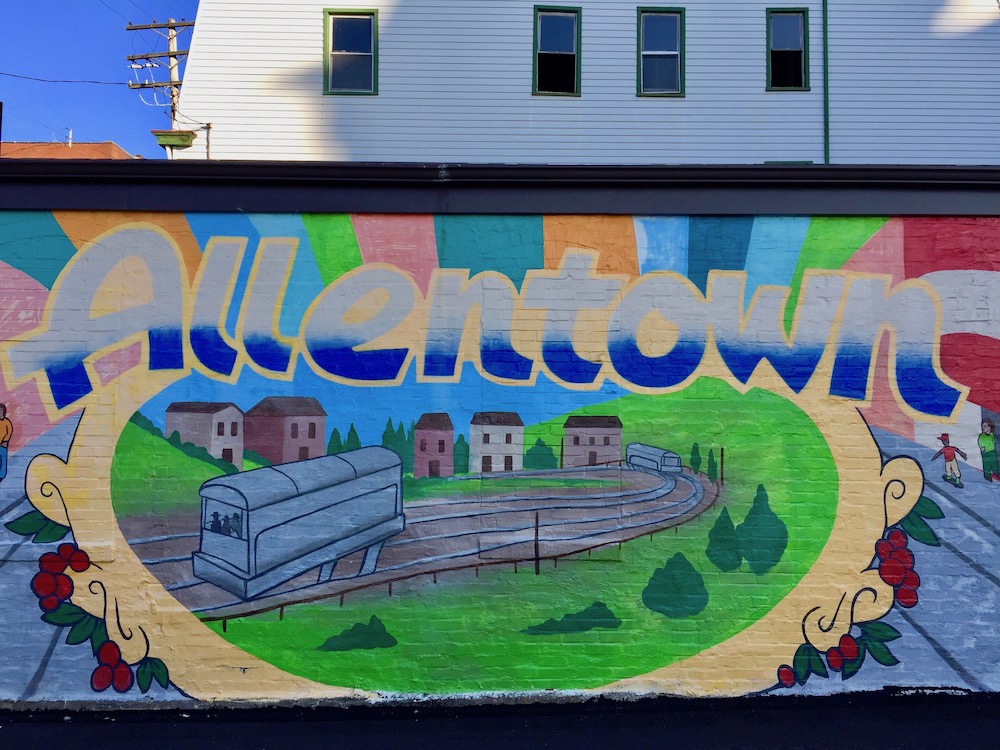
All the colors. Allentown
Lawrenceville Alive!
The Deutschtown Sasquatch!
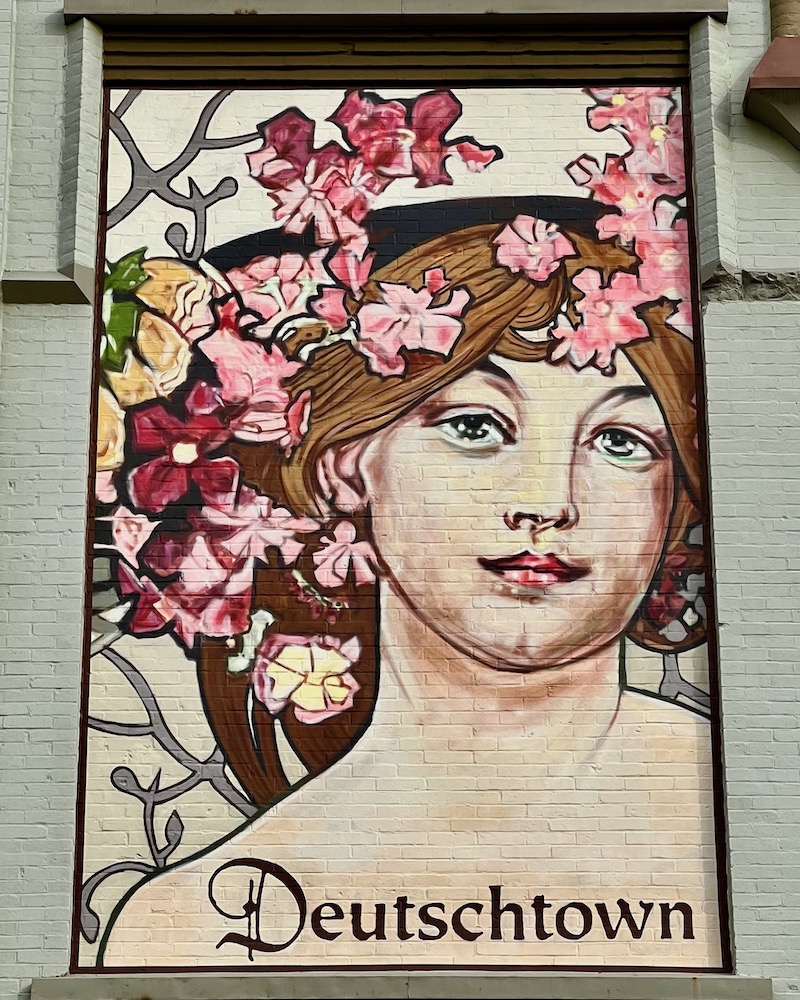
Ja, die Deutschtown Fräulein ist sehr schön
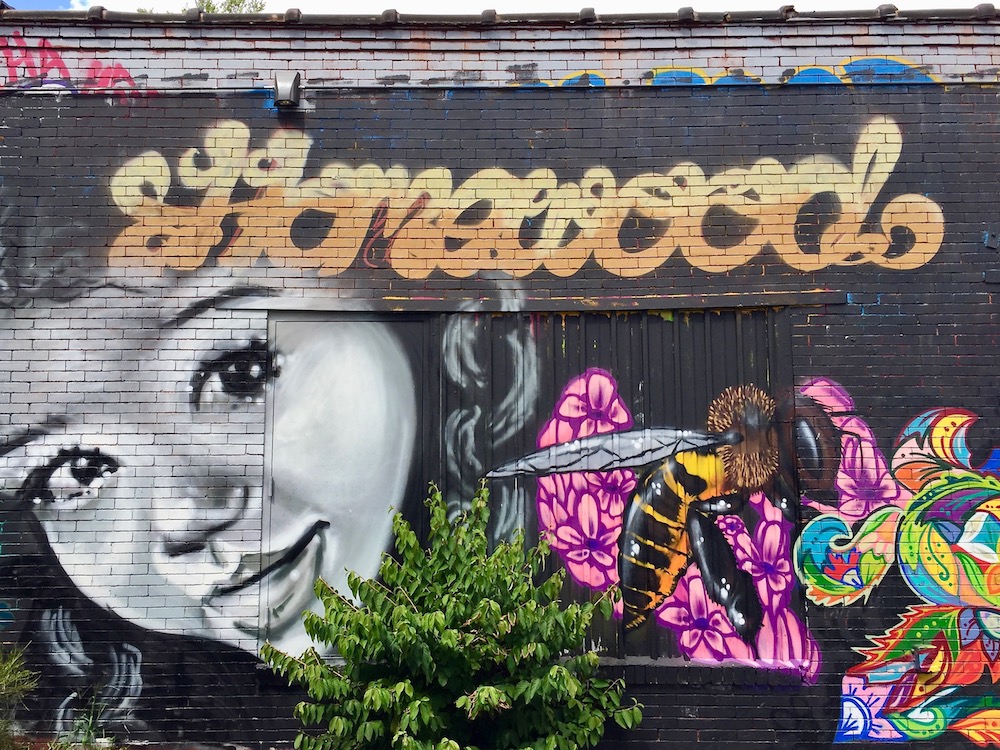
Homewood
This ain’t Uptown! Welcome to West Oakland, birth place of pop artist Andy Warhol
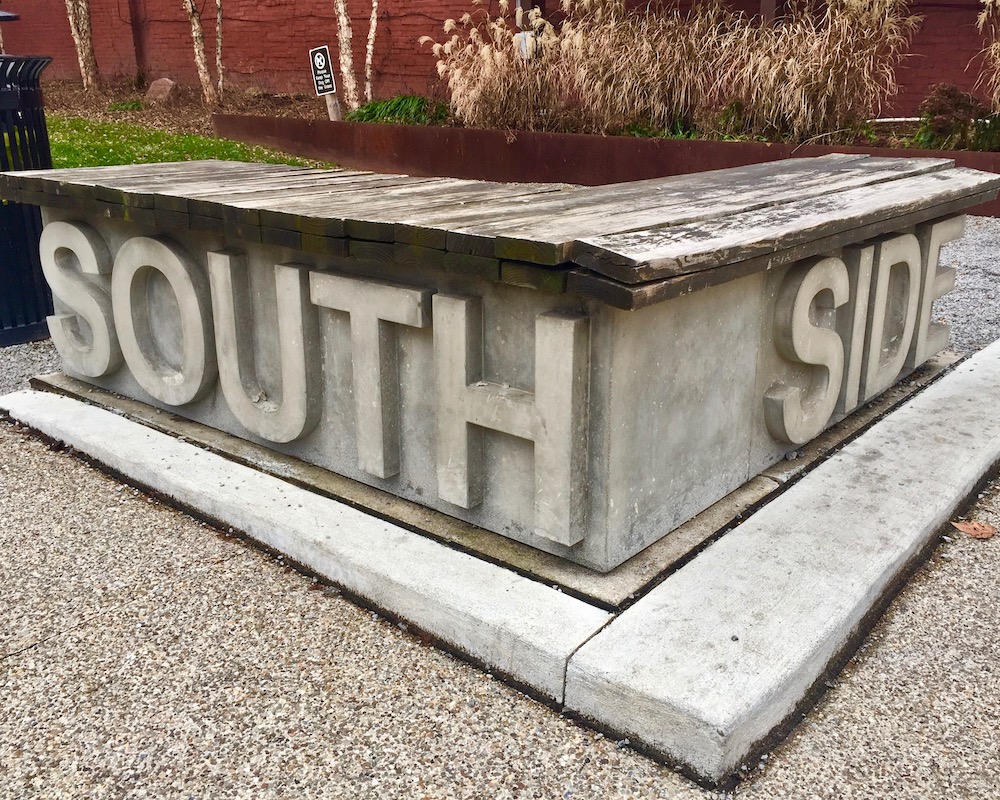
South Side. Come and sit here.
Welcome to Spring Garden
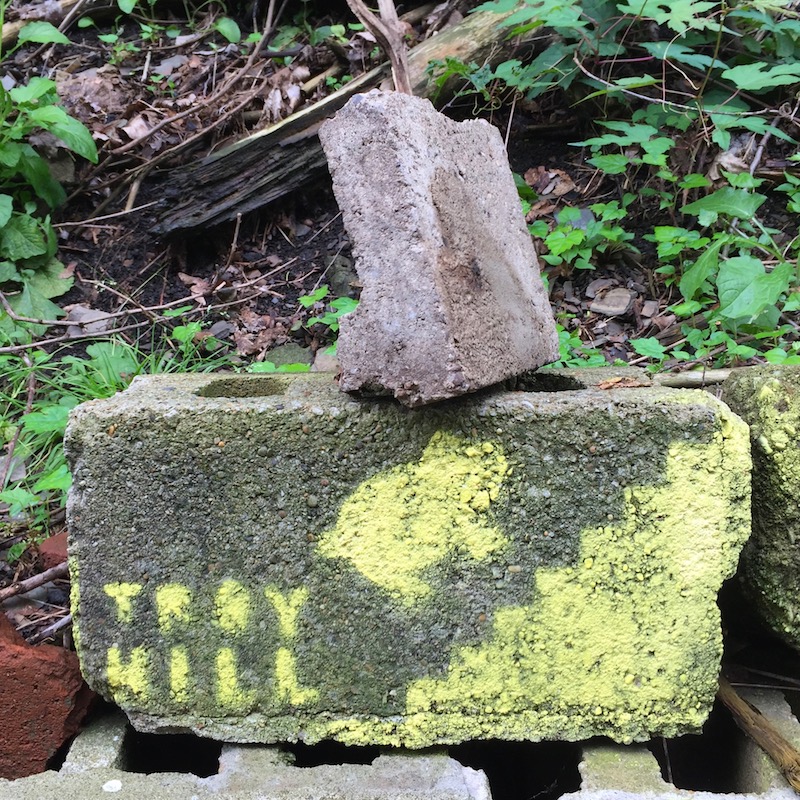
The Troy Hill welcome cinderblock (since removed)
(Love) Friendship
While The Orbit will always prefer the touch of the human hand, we’d be negligent to not include professionally-produced welcome signs. Some of these are obvious custom jobs and others look mass-marketed. The signs for Stanton Heights and Morningside each look like they were ordered from welcomesigns.com (see below). C’mon, gang! Follow Fineview’s lead and hire a couple artists to work on a nice street-facing retaining wall!
Welcome to Deutschtown: a national historic district
Larimer. Welcome to our neighborhood.
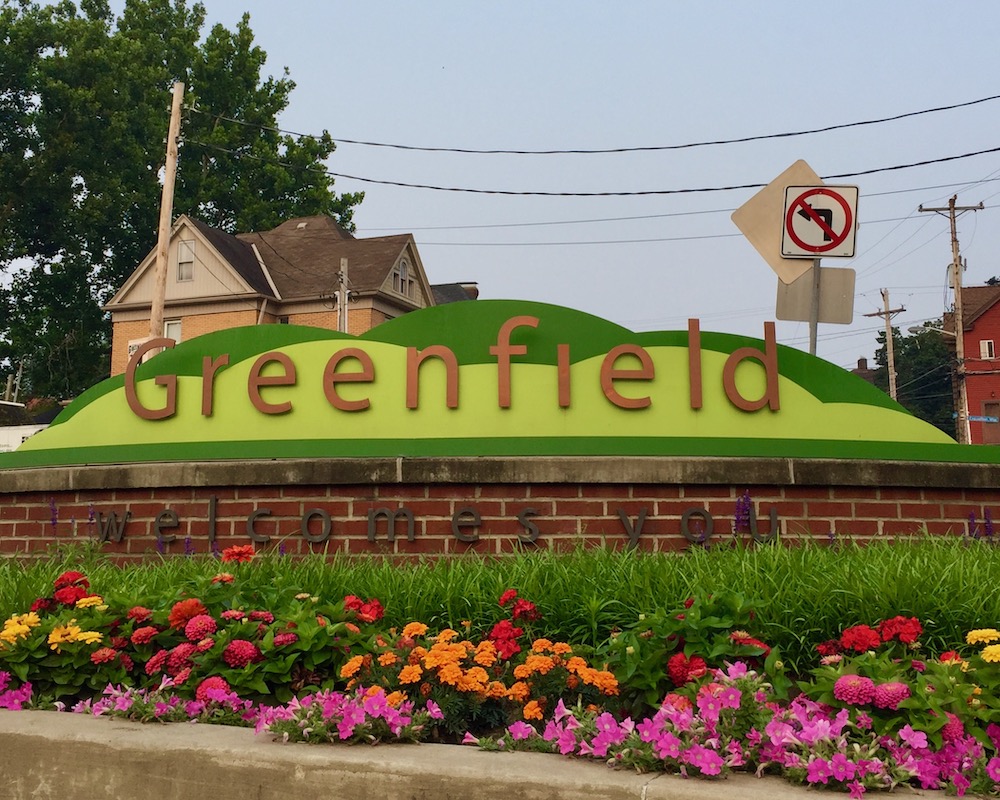
Greenfield welcomes you
Welcome to Squirrel Hill
Lawrenceville [By the way, The Pilgrim is back at GetGo. We hear you’ll be thankful for every bite.]
Welcome to Stanton Heights neighborhood. Hopefully our homes are better weather-proofed than our welcome sign.
Welcome to Morningside where the echinacea runs free
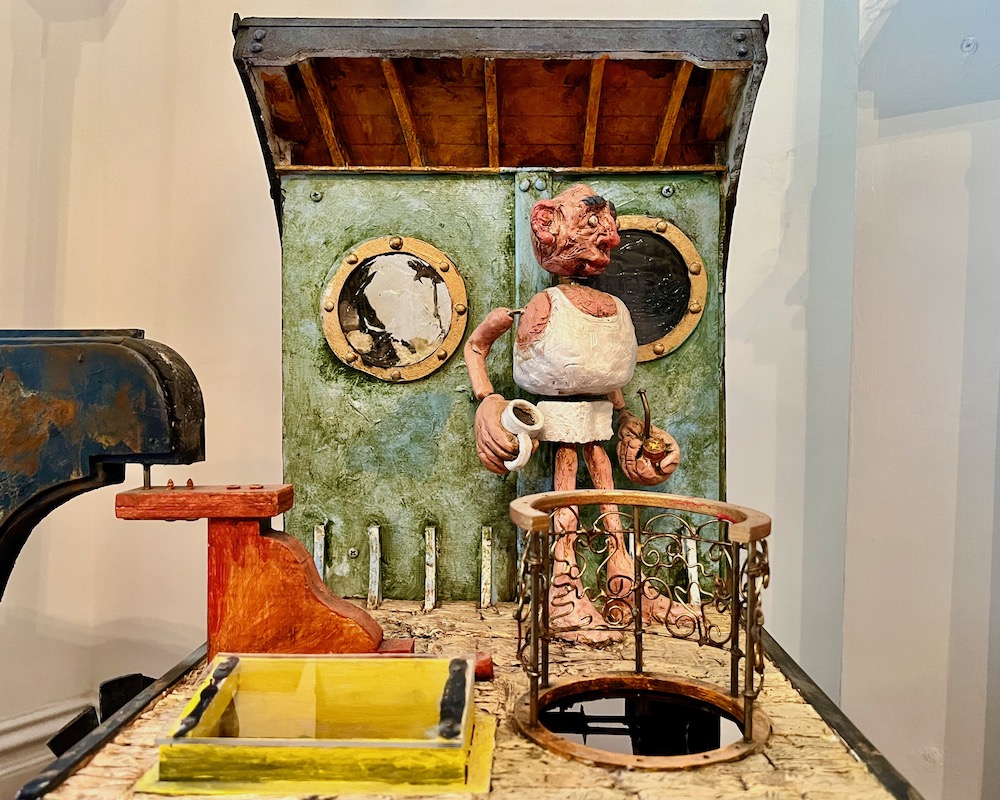
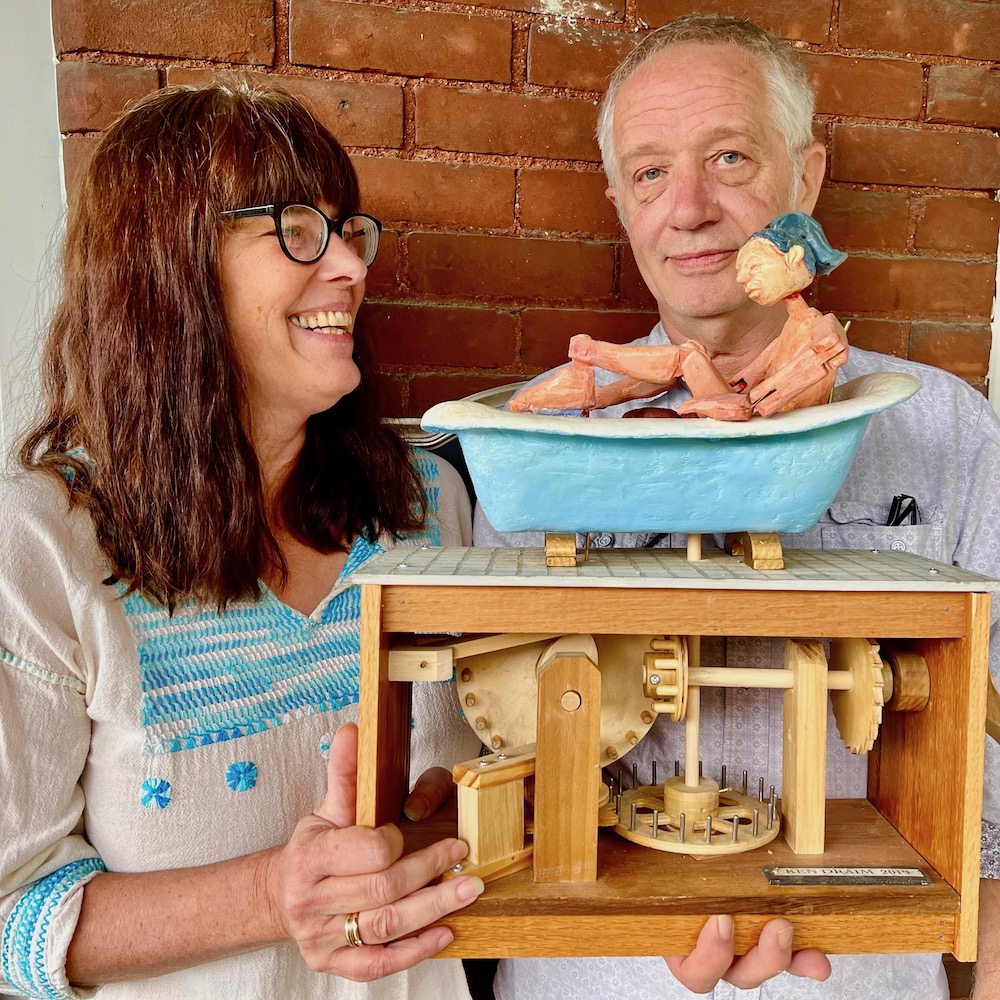
Detail from “Unterwasserwelt,” a hand-cranked kinetic artwork created by Pittsburgh artist Ken Draim
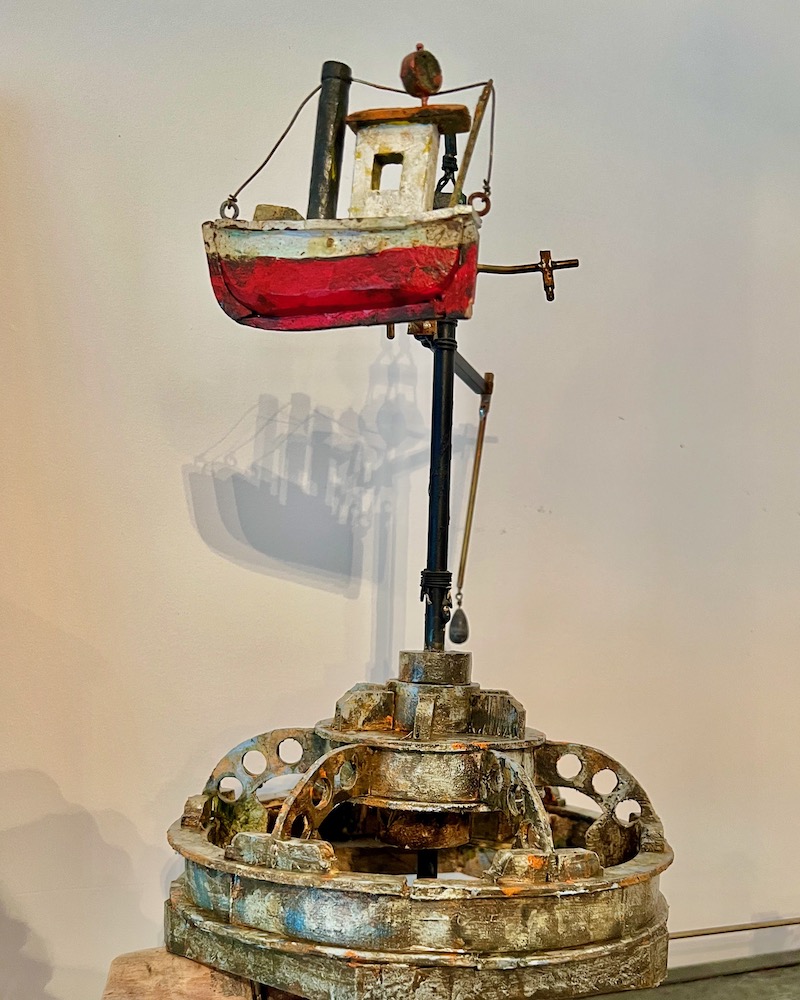
The little boat is lifted into the air on a delicate structure of thin poles and wire rigging. You’d swear it was aloft, but for the abstracted waterline letting us know we’re an omniscient third-party able to see the full depth of the craft as it navigates dangerous waters. At the bow is the unmistakable bloodhound jowls of Humphrey Bogart. He’s sporting the exact black hair, thick eyebrows, and three-day stubble we expect. Astern, a fully-coiffed Katherine Hepburn, barely holding in her contempt for the man she’s trusted with her life. A nameplate on the side of the rusty steamship tells us what any classic movie lover already knows—the craft is the African Queen.
“African Queen”
Resting on a tabletop, the sculpture is a beautiful objet d’art all on its own. But turn the little crank handle at the side and the whole thing bursts to life. The vessel doesn’t so much rock back and forth, but lurches in the awkward way that passing waves disrupt movement on water, tossing everyone and everything in their way. As this happens, the big engine propeller spins; buoys, bumpers, and trawling nets swing wildly; Bogey and Hepburn’s spring-loaded body parts are given a shake that will require the best chiropractors … if they ever make it to Kinshasa.
Bogey. “African Queen” (detail)
“It doesn’t have to be super complex to get a magical look,” Ken Draim tells us, “There’s a story to everything and that’s what’s important.”
Draim is the creator of “African Queen”—and many others in its spirit. He’s been building kinetic art—automata—for at least the last dozen years. Draim’s creation of these little moving fantasy worlds follows decades as a painter, sculptor, builder, furniture maker, and tinkerer. We were lucky enough to catch a number of his still-available automatons at his home in Bellevue on the eve of delivery for exhibition.
“Buoy Tender’
Pretty much everything in Draim’s artwork has been built from scratch—from the internal mechanics to the rusty hulls of tanker ships, cartoon-like motor vehicles, and carved wooden people. Much of the rusted and battered structural elements look like they were salvaged from the real thing but, to paraphrase Dolly Parton, it takes a lot of love to make something look this rundown.
Draim started as a painter—beautiful, dreamlike, cubist-inspired works that look not-unlike light refracted through stained glass—but gradually moved into the third dimension.
“I found an old pachinko machine which I wanted to rebuild into something different,” Draim says of an earlier project, “But with my limited engineering skills I couldn’t make the balls go where I wanted them to.”
“I got into boat-building,” Draim says of the big, table-top-filling fantasy ships he constructed in this period, “From there, it was just one more step to make them move.”
Just one more step. “Mystery Ship”
Let’s be clear: it may indeed be “just” one more step to make a sculpture of a boat move, but that is one big step.
“It takes time to do all this,” Ken Draim tells us, “It can take all day just to make a gear do a thing.”
We believe him! Watching these wood and wire sculptures come to life is magical. We are all naturally drawn to a little boat surfing wild seas right there before us but Draim very intentionally makes all the nuts-and-bolts mechanics of his machines visible. To see a crank turn an axle that holds a gear that works a cam or spins a belt or pushes a pole or squeezes a hose sparks its own how did he do that? curiosity. Like the repetition of train cars rattling across track or those old Pathé films of things getting made, the rhythmic movement of the gearing—and the gentle clicking that comes with it—is soothing and satisfying in ways that never make it to self-help guides.
Un bâtiment très actif. “Rue Lepic”
Ken and his wife, partner, and ace videographer Sara moved to Pittsburgh four years ago after decades of living, creating, and running a gallery in Taos, New Mexico. They had no specific reason to relocate to the Paris of Appalachia besides wanting some more city stuff, a larger potential art market, and an obvious big change in scenery. The Pittsburgh cliché “big city with a small town feel” seems to fit well with the couple’s taste.
Draim’s “10th Street Bridge,” a large piece with unique counter-directional spinning wheels/traffic lanes, was an early response to their new home. Ken and Sara landed first in the South Side flats before purchasing a home in Bellevue. The third floor of the house is now devoted to what Ken describes as “the best studio I’ve ever had.”
Welcome to Pittsburgh. “10th Street Bridge”
Ms. Orbit—our consultant for all things aesthetic and most things marital—was there for our tour. “What’s special about Ken’s work is that each one feels like it has a life of its own,” she says, “The movement is jerky; there is so much humor. Some of the pieces almost feel like they’re going to fall apart.”
“There are a lot of people making cutesy automatons nowadays,” Madame D’Orbit continues, “But they can be boringly unimaginative. Ken’s work makes you wonder ‘Who are these people? What is life like in this world?’ There’s a personality, a story, real quirkiness to each one.”
Motion simple. “The Ocean in a Crate”
That’s about as a good summary of the experience as we could ask for. So welcome to Pittsburgh, Ken and Sara. Unlike what some of the city’s detractors will tell you, hopefully you’ll find it neither boringly unimaginative nor about to fall apart.
Ken Draim currently has a number of available pieces at Exposure Gallery (412 Beaver Street, Sewickley) and one may reach him/see more videos of his other work at his web site, FaceBook page, or one of two YouTube channels.

















































 Pittsburgh Orbit