You know the gesture: the index and middle fingers of both hands, curled and twitching, are held aloft to either side of the speaker’s head. She or he is mid-rant, raving about one indignity or another—or possibly neck-deep in a story whose punchline is yet to be revealed.
Air quotes may be used in a variety of scenarios. For anyone who has ever deployed or received them in (hopefully-joking) sarcasm, the quote gesticulation can only be read as an opposite, a negation of the word being quoted.
Did you really “write” all these “songs?” or He says he’s the “voice” of a “generation.” or I’d “love” to see your “band,” but I have … anything else to do.

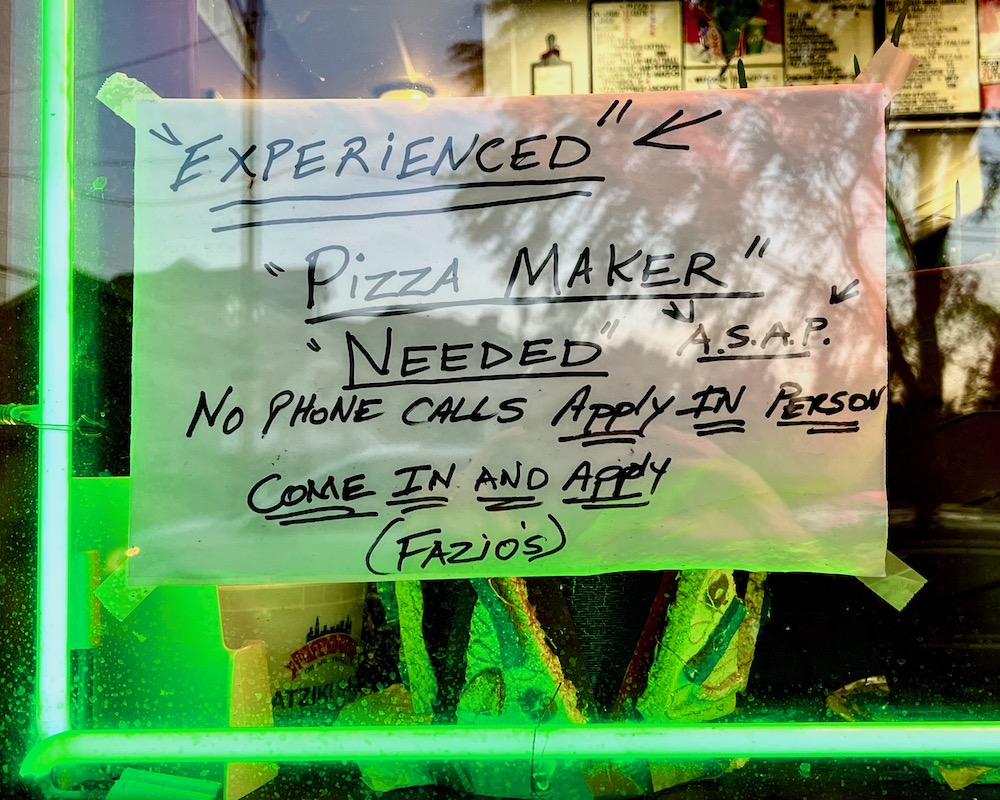
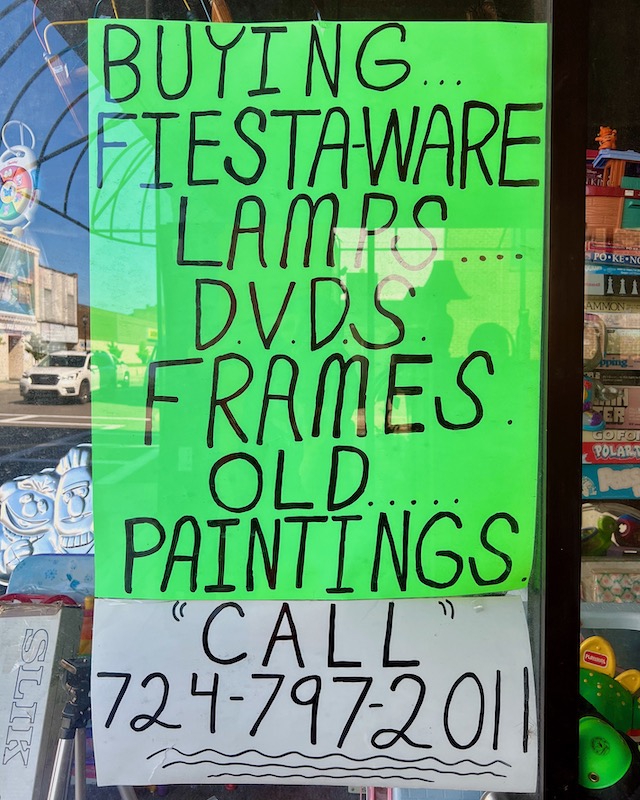
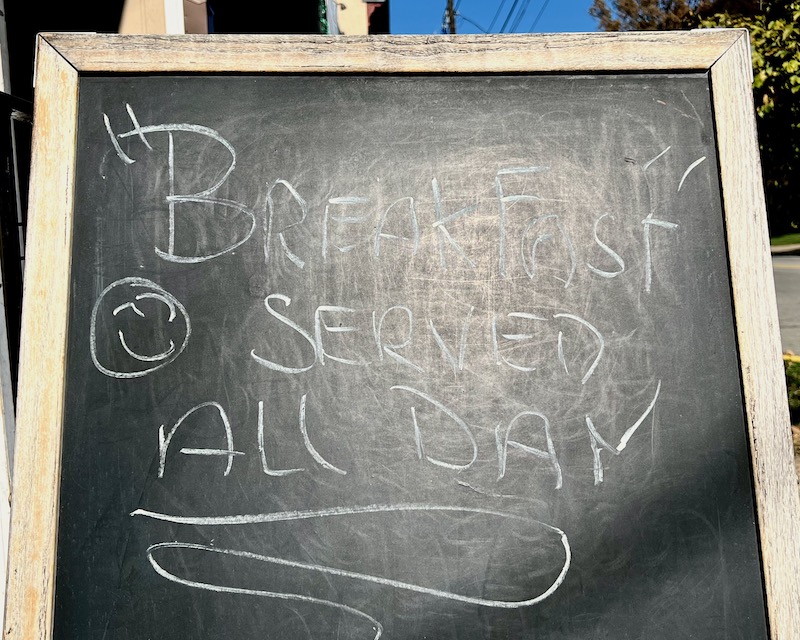
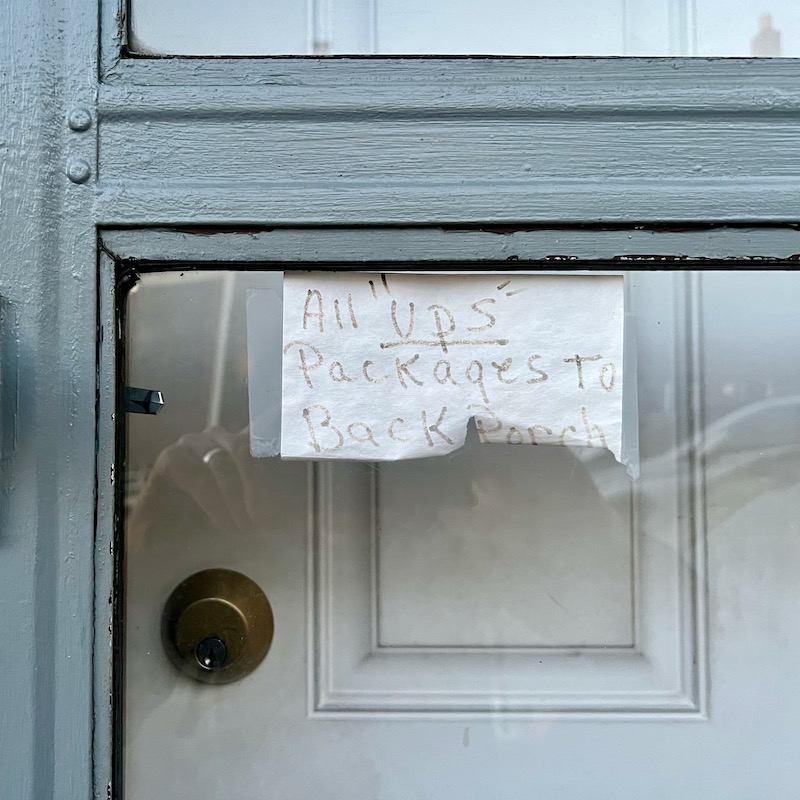
In this context, it’s impossible to read a hand-written sign warning Antique “art work” keep out! or advertising “Breakfast” served all day without seeing the humor in it. How bad could this art work be? If it’s not breakfast, what are they serving all day?

As the son of English professor and an avid reader, I’m well familiar with the “correct” use of English grammar. Misused quotes (or apostrophes, there/their/they’re, etc.) pop out immediately as jarring pot holes on the road to smooth reading. I know they’re technically wrong.
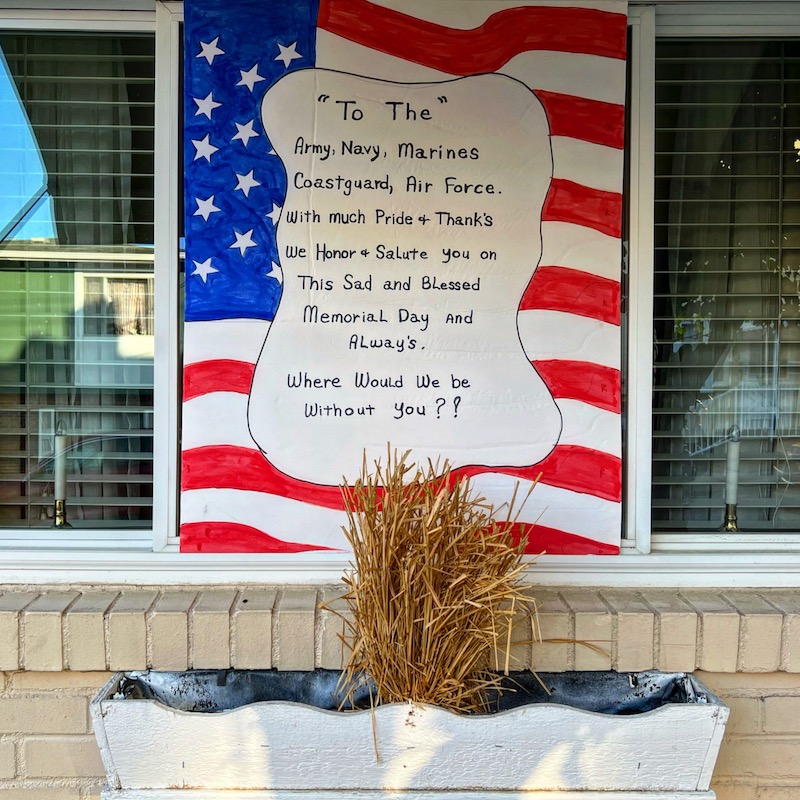
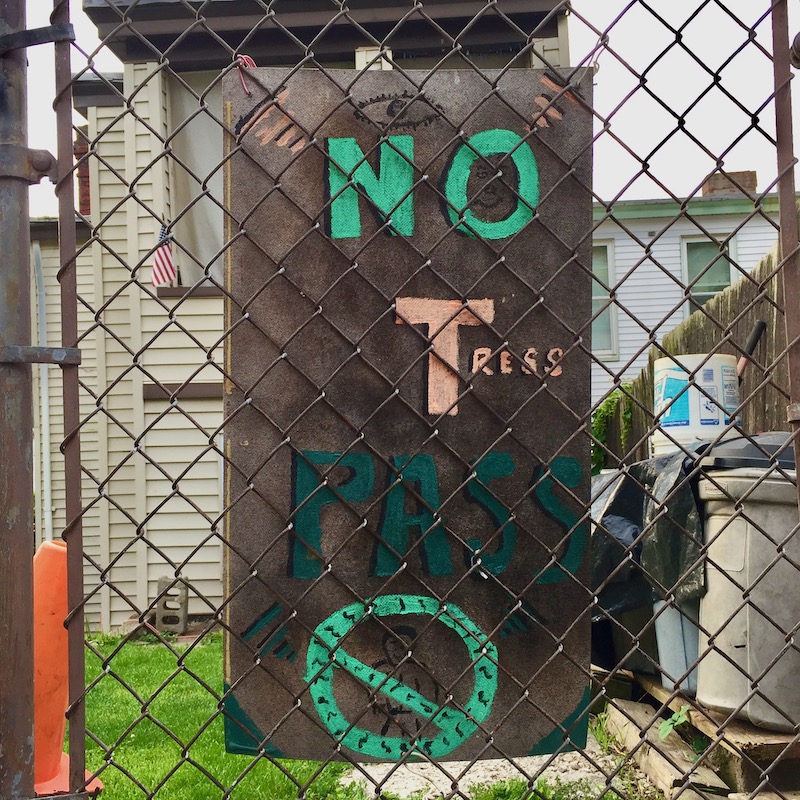
But as someone who loves the fluidity of ever-evolving language, it’s fascinating that so many English speakers—at least, English writers and readers—think of quotation marks as symbols of emphasis.
Like other after-market language tweaks derived to fill a void, I think it’s because we don’t really have a great way to express emphasis in handwriting. Sure you can underline and if you’ve got a design bent, maybe you’ll make the important words larger or double the ink to make it read heavier, but most of the computer-assisted tools to achieve this in text—italics and bold type—are a lot harder to execute with pen and paper.
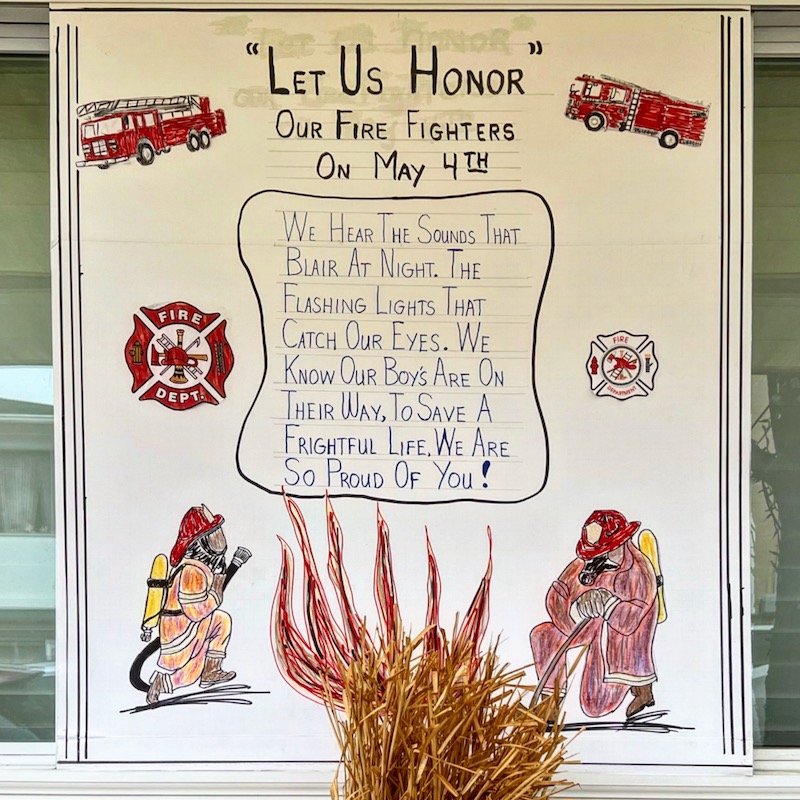
There are two kinds of people… maxims are painfully reductive, but it feels like quotation marks really do exist in one of two completely separate grammatical lives, depending on the writer/reader. To treat quotes as emphasis is a language hack that looks goofy to some of us and reads as completely normal to others. I’m “O.K.” with that.





 Pittsburgh Orbit
This collection is a “gem”. My late father with his PhD in English lit and his years of experience as a magazine editor is “cheering” from heaven!
Next, how about a post on misused apostrophes? You could start with those lowly words “its” and “it’s”.
If you travel around our nation, you may have noted that apostrophe errors are regionalized: Florida rural marketers are noted for using the apostrophe to indicate the plural form of nouns that end in a vowel (orange’s, tangerine’s) but not those that end in a consonant (grapefruits).
LikeLike
Oh, you just stay tuned — although, you may have to stay tuned for a while — we’ve got a pretty good collection of dubious apostrophes going already.
LikeLike
My father just had spinal reconstruction and heart surgery and wanted to go out for his birthday. I was reading this post aloud and my mom was laughing so hard she begged me to stop. We received a special birthday dessert with words written on the plate, and in homage to your post he changed it to “happy” birthday 😉 I wanted to attach a photo but am unable. Thanks though!
LikeLike